
Quick Read
- The UK and France announced a ‘one in, one out’ migrant deal on July 10, 2025.
- For every illegal migrant returned to France, the UK will accept one asylum seeker from France.
- The European Commission must assess the deal’s legality under EU law.
- The agreement has faced criticism from humanitarian groups and political opponents.
- It reflects broader challenges in balancing migration control and humanitarian obligations.
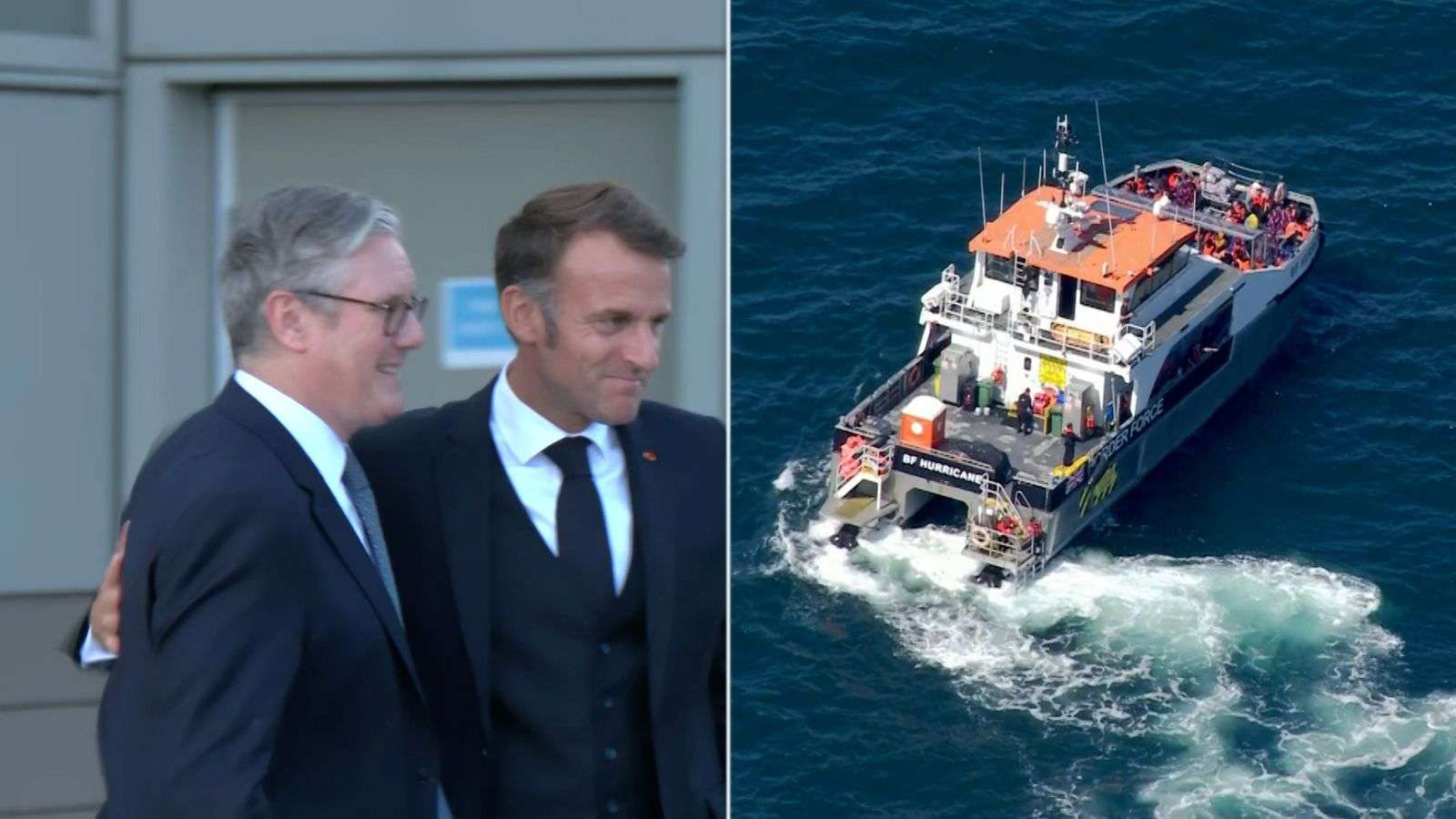
The United Kingdom and France have announced a new migrant agreement aimed at addressing the growing issue of illegal crossings over the English Channel. The controversial deal, dubbed the ‘one in, one out’ agreement, was unveiled on July 10, 2025, following months of negotiations between British Prime Minister Keir Starmer and French President Emmanuel Macron. The arrangement has sparked significant debate across political and humanitarian circles, as well as raising questions about its legal viability within the framework of European Union law.
Details of the ‘One In, One Out’ Agreement
Under the terms of the agreement, for every migrant returned to France after crossing the Channel illegally, the UK will accept one asylum seeker from France. According to Politico, this exchange primarily applies to individuals with family ties or other legitimate reasons to seek asylum in the UK. The deal also grants French border forces the authority to proactively intervene in shallow waters to prevent crossings, subject to oversight by maritime authorities in France.
The agreement comes at a time when record numbers of people—21,000 so far this year—have made the perilous journey across the Channel to the UK. Prime Minister Starmer has been under increasing pressure to address this issue, as it has become a significant political vulnerability for his Labour government. Critics, including Nigel Farage and his Reform UK party, have labeled the agreement a “humiliation,” arguing that it does little to curb illegal migration and instead creates more administrative hurdles.
EU’s Role and Legal Challenges
The European Commission is now tasked with assessing the legality of the agreement, as migration policies within the EU fall under its jurisdiction rather than individual member states. Markus Lammert, a spokesperson for the Commission, described the rising number of migrants crossing the Channel as “alarming” and emphasized the need for solutions that align with EU law. According to Sky News, French officials have been in contact with Brussels throughout the negotiation process and are optimistic about securing the necessary legal approval.
However, some EU officials and humanitarian organizations have expressed concerns about the agreement’s implications. Michaël Neuman from Doctors Without Borders criticized the UK for “outsourcing” its border responsibilities to France, calling the deal “absurd” given that many migrants are fleeing France in search of better opportunities or safety in the UK. These criticisms highlight the broader challenges of addressing migration issues in a manner that balances national interests with humanitarian obligations.
Political and Humanitarian Reactions
While the agreement has been framed as a bilateral solution to an urgent problem, it has faced backlash from various quarters. Humanitarian organizations argue that the deal undermines the rights of asylum seekers by prioritizing political expediency over individual safety and dignity. “It is not a solution but a step backward,” said Neuman, emphasizing the need for more comprehensive and humane policies.
On the political front, the deal has deepened divisions within the UK. Starmer’s government sees it as a necessary step to address public concerns about illegal migration, but it has also provided ammunition to opposition parties and critics. Nigel Farage, for instance, has used the agreement to bolster his anti-migration platform, which has been gaining traction in recent months.
In France, President Macron has faced his own challenges. The agreement comes amid a broader debate about France’s role in managing migration, especially as the country deals with its domestic political pressures and its relationship with the EU. According to WSWS, Macron’s visit to London—his first state visit to the UK since 2008—was also marked by discussions on other pressing issues, including the ongoing conflict in Ukraine and broader European security concerns.
Broader Implications
The ‘one in, one out’ deal reflects the complexities of managing migration in a world increasingly shaped by political, economic, and humanitarian crises. As Politico noted, the agreement is part of a broader effort by the UK and France to present a united front on contentious issues like migration and security, particularly in the post-Brexit era. However, its success will depend on its implementation and the extent to which it gains acceptance both domestically and within the EU.
For migrants themselves, the deal represents another hurdle in their quest for safety and stability. Many humanitarian organizations have called for a shift in focus from deterrence to addressing the root causes of migration, such as conflict, poverty, and climate change.
The UK-France migrant deal underscores the enduring challenges of balancing national interests with humanitarian imperatives, leaving many questions about its impact and long-term viability.