
Quick Read
- Ukrainian drones struck Russia’s Tuapse oil terminal and a tanker on November 1-2.
- The attack set fires to the pier and damaged port infrastructure; no casualties reported.
- Terminal crew was evacuated; residential buildings nearby suffered window damage from drone fragments.
- Tuapse is a key Black Sea oil hub operated by Rosneft; strike disrupts vital energy exports.
- Ukraine has increased cross-border drone attacks on Russian energy infrastructure since August.
Ukraine Targets Strategic Russian Oil Terminal in Tuapse
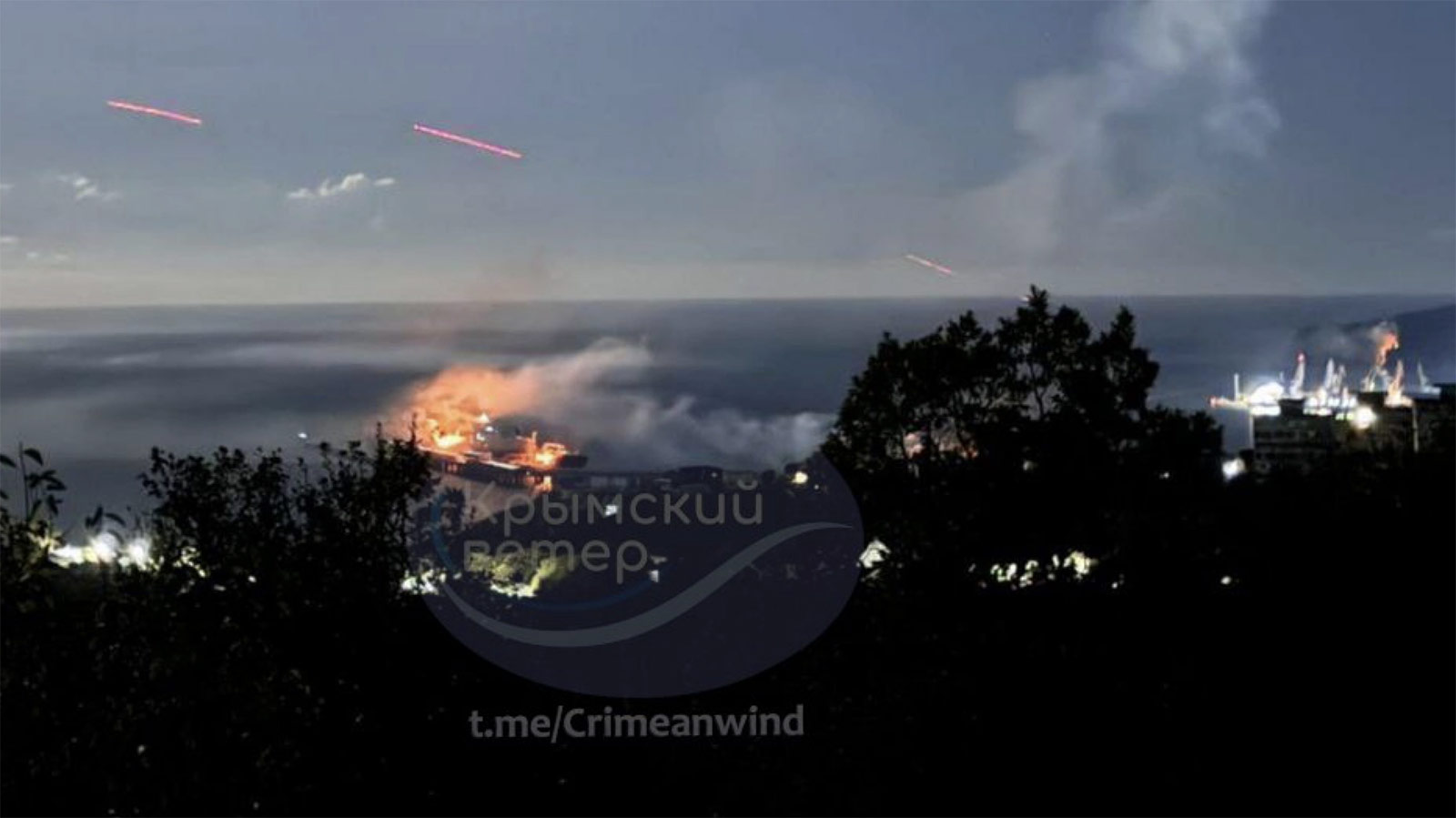
Shortly after midnight on November 1, the port city of Tuapse—an industrial hub nestled on Russia’s Black Sea coast—was shaken awake by the roar of explosions and the crackle of fire. Ukrainian drones, flying undetected through the night, struck a vital oil terminal, igniting both the loading pier and an oil tanker docked at the facility. For the residents of Tuapse and the wider Krasnodar region, the sudden blast was more than just noise; it was a stark reminder of a war that, for many months, had felt far away.
Videos circulating on social media and confirmed by local officials revealed flames engulfing the pier, with thick plumes of black smoke billowing over the water. Witnesses described at least three distinct blazes, including one on the tanker itself. The attack left visible scars: shattered windows at the local railway station, damaged port infrastructure, and, in a residential building in the Sosnovy settlement, drone fragments punched through the third floor, breaking glass but, miraculously, causing no injuries.
Black Sea Port Disrupted: Infrastructure and Oil Flow at Risk
The Tuapse oil terminal, operated by Russia’s state-run Rosneft, is not just another industrial site. It’s a crucial node in Russia’s energy export chain, funneling refined products and crude oil from the heart of the country out to global markets. The port’s location on the Black Sea makes it a logistical keystone for both regional commerce and international energy supply.
Regional officials confirmed that the drone attack damaged the vessel, the deck superstructure, port buildings, and terminal infrastructure. Emergency services were quick to respond: firefighters and rescuers battled the blaze through the early morning hours, while port authorities evacuated the tanker’s crew as flames threatened to spread. Preliminary reports, cited by Caliber.Az, indicate no casualties, and local authorities emphasized that, despite the destruction, loss of life was averted.
But the strategic implications are harder to contain. Windows at the railway station were shattered, underscoring the blast’s reach. The Tuapse terminal’s operational capacity has likely been hampered, at least temporarily, adding to a growing list of Russian energy infrastructure targeted by Ukrainian forces since August. According to EA WorldView, Ukraine has struck at least sixteen of Russia’s thirty-eight oil refineries in recent months, reducing output by around 20 percent and complicating logistics across pipelines, railway hubs, and factories.
A Calculated Escalation: Ukraine’s Drone Campaign Intensifies
The Tuapse strike is the latest chapter in Ukraine’s increasingly sophisticated campaign to disrupt Russian supply lines and pressure Moscow’s war machine. Drones—once the province of hobbyists and tech enthusiasts—have become weapons of choice, flying deep into Russian territory and striking targets that were previously considered safe.
This escalation reflects a deliberate shift. With the full-scale invasion now stretching into its fourth year, Kyiv has recalibrated its approach, targeting the infrastructure that underpins Russia’s military and economic operations. Oil terminals, refineries, railway junctions, and even chemical plants have found themselves in the crosshairs. Each attack is designed not just to inflict physical damage, but to send a message: the war’s front line is not fixed, and Ukraine’s reach is growing.
In Tuapse, the damage was not limited to industrial assets. Drone fragments struck a multi-story residential building, breaking windows on the third floor. While no injuries were reported, the psychological impact is significant. For local residents, the specter of conflict now hovers over daily life, a reminder that strategic assets and civilian infrastructure can be vulnerable in equal measure.
Broader War Context: Retaliation and Resilience
The attack in Tuapse did not occur in a vacuum. Across Ukraine, Russian forces continued their own campaign of strikes. On the same day, at least five civilians were killed in the Donetsk region, two more in Odesa, and numerous others wounded in Zaporizhzhia, according to updates from EA WorldView. The rhythm of violence, retaliation, and resilience has become a tragic constant.
Yet, Ukraine’s cross-border operations mark a notable evolution in the conflict. By targeting facilities inside Russia, Kyiv aims to complicate Moscow’s logistics, impose economic costs, and force a redistribution of resources. Each strike carries risks—not least the potential for escalation—but also signals determination and technical prowess.
For the Russian government and Rosneft, the damage in Tuapse is a setback. The port’s role as a conduit for energy exports means that even temporary disruptions can ripple through supply chains, affecting both regional and international markets. Firefighters and emergency services remain on high alert, while authorities assess the full extent of the destruction.
Human Impact: From Crew Evacuation to Civilian Anxiety
While officials have confirmed no casualties among crew or residents, the human story is layered. The crew’s evacuation was swift, reflecting both preparedness and the high stakes involved in managing industrial emergencies. Residents of Sosnovy and the wider Tuapse district, meanwhile, grapple with the aftermath—shattered windows, the lingering scent of smoke, and the realization that war’s reach is unpredictable.
Emergency workers continue to secure the area, extinguish residual flames, and assess structural damage. For many, the events of November 1-2 will be remembered not just for the headlines, but for the uneasy sense of vulnerability they brought to a region that had, until now, largely watched the conflict unfold from a distance.
Looking Ahead: Strategic Consequences and Uncertainties
As daylight returns to Tuapse, the broader implications of the strike are being weighed in Moscow and Kyiv alike. Ukraine’s campaign against Russian energy infrastructure has already curtailed output and stretched emergency response resources. For Russia, the calculus must now include not just battlefield losses, but the resilience of its industrial backbone.
Whether this strike marks a turning point or simply another entry in a long list of cross-border incidents remains to be seen. What is clear, however, is that the war’s geography is shifting, and with it, the sense of security in regions once thought immune to direct attack.
Assessment: The Ukrainian drone strike on Tuapse’s oil terminal represents a calculated expansion of Kyiv’s strategic aims, leveraging technology to hit critical Russian infrastructure and disrupt economic operations. While immediate casualties were avoided, the psychological and logistical impact underscores how modern warfare can extend far beyond front lines, reshaping both the tempo and terrain of conflict.