
Quick Read
- The US peace plan for Ukraine was amended in Geneva to better reflect Ukrainian interests.
- Russia has rejected changes to the plan and insists on demands unacceptable to Ukraine.
- President Trump has sent envoys to Moscow and Kyiv to pursue negotiations.
- European leaders are actively engaging to influence both the US and Russia.
- No draft peace agreement exists yet, and prospects for a breakthrough remain slim.
US Peace Plan for Ukraine Revised in Geneva, but Russia Rejects Changes
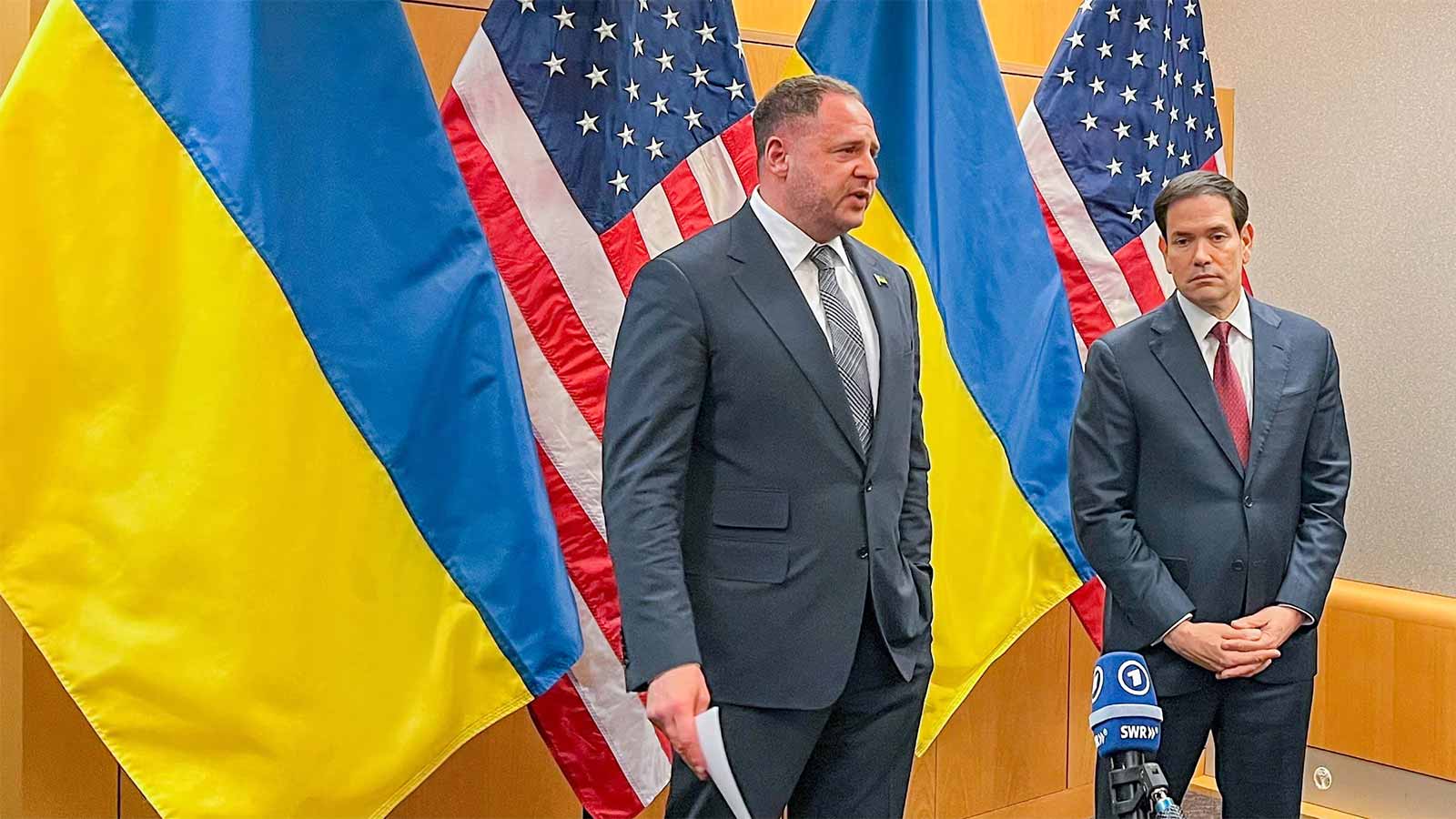
The push for a negotiated end to the war in Ukraine has reached another crossroads. Over the past weekend, top diplomats from the United States, Ukraine, and key European countries gathered in Geneva for high-stakes talks aimed at reshaping the so-called ‘Trump peace plan’—a 28-point proposal originally drawn up by the US administration. The plan, which initially tilted heavily in Russia’s favor, called for Ukraine to cede not only territories currently occupied by Russian forces but also additional regions under Ukrainian control, alongside promises to never join NATO and to drastically reduce its armed forces.
According to BNN News, the Geneva discussions resulted in significant amendments to the US plan, making it more accommodating to Ukrainian interests. European negotiators, particularly from the United Kingdom, Germany, and France, played an active role in advocating for Ukraine’s position. Italy’s prime minister and Finland’s president also emerged as potential influencers, reflecting a coordinated European effort to moderate the US proposal and encourage a more balanced approach.
Kremlin’s Position: Demands Unchanged, Little Optimism for Breakthrough
Despite these diplomatic efforts, Russia remains firmly unmoved. The Secretary General of the Latvian Transatlantic Organisation, Sigita Struberga, told Latvian Television that “there is currently no visible basis for claiming that Russia is ready to halt its military actions in Ukraine unless its stated demands are met—demands that are absolutely unacceptable to Ukraine.” She added that the most realistic scenario remains one of continued conflict, with the Kremlin’s willingness to compromise described as “the most optimistic but also the least realistic scenario.”
President Vladimir Putin publicly acknowledged the Geneva amendments but quickly dismissed the revised plan, insisting that Russia would not accept changes demanded by Europe. He reiterated that, while the US proposal could be a basis for further negotiations, it must reflect Russia’s core positions. The Russian delegation, led by Foreign Ministry officials and advisers Vladimir Medinsky and Yuri Ushakov, is preparing for another round of talks in Moscow, where a US team is expected to arrive early next week.
Diplomatic Chess: US and Europe Try to Persuade Moscow
The US administration, under President Trump, has shown flexibility, agreeing to review and split the original 28-point plan into four sections for focused discussion. Trump has also appointed Special Envoy Steve Witkoff to meet with Putin, while US Army Secretary Dan Driscoll will travel to Kyiv for talks with President Volodymyr Zelensky. Trump’s personal ambition to be seen as a global peacemaker adds another layer to the dynamic, though, as Struberga notes, “despite short-term shifts in attitude, such a withdrawal [from talks] would not be simple.”
European diplomats hope that continued engagement with Trump’s team might soften the US stance, especially as the revised plan now takes greater account of Ukrainian and European concerns. However, skepticism remains high. “So far the potential outcome does not look promising,” Struberga remarked, citing Russia’s intransigence and the complexity of Trump’s relationships with both Putin and Europe’s leaders.
Markets and Political Mood: Uncertainty Looms Over Europe
The focus on peace talks has spilled over into European financial markets, which, according to Alliance News, are expected to open flat as investors wait for any sign of diplomatic progress. The uncertainty surrounding the negotiations, coupled with anticipation of US Federal Reserve policy changes, has created a cautious atmosphere across the continent. European stocks showed modest gains, but the mood remains subdued, with traders watching closely for developments from Moscow and Washington.
As Putin confirmed the upcoming arrival of a US delegation, he made it clear that, for now, “there is still no draft peace agreement.” The issues on the table are complex and fraught with tension, and while the split sections of the peace plan may provide a structure for further discussion, the underlying disagreements are deep.
What’s Next: Awaiting the Moscow Round and Europe’s Influence
The next phase of talks will take place in Moscow, where the US team is expected to present the revised proposal. While the Kremlin has signaled openness to “diplomatic language,” the substance of its demands remains unchanged. With Ukraine unwilling to accept terms that would compromise its sovereignty and security, and Russia unwilling to retreat from its hardline positions, the prospects for a breakthrough appear slim.
Nevertheless, the ongoing diplomatic activity underscores the determination of Western powers to seek a peaceful resolution, even as the realities on the ground suggest that a negotiated settlement may be out of reach for now. The involvement of European leaders, and the pressure they can exert on both Washington and Moscow, could prove pivotal in shaping the trajectory of these talks.
For Ukraine, the stakes could not be higher. Every adjustment to the peace plan is not just a matter of diplomatic language, but a question of survival, sovereignty, and the future of the country itself. The world watches as the negotiations unfold, hoping for a shift that could end the violence, but bracing for the possibility that the war—and the suffering it brings—may continue.
Assessment: The facts indicate that while the US and European diplomats have worked to make the peace plan more palatable for Ukraine, Russia’s unwillingness to compromise suggests that negotiations remain stalled. Without a major shift in Moscow’s stance, hopes for a swift end to the conflict are likely to be disappointed. Europe’s diplomatic engagement will be crucial, but for now, the most realistic scenario is continued deadlock.