
Quick Read
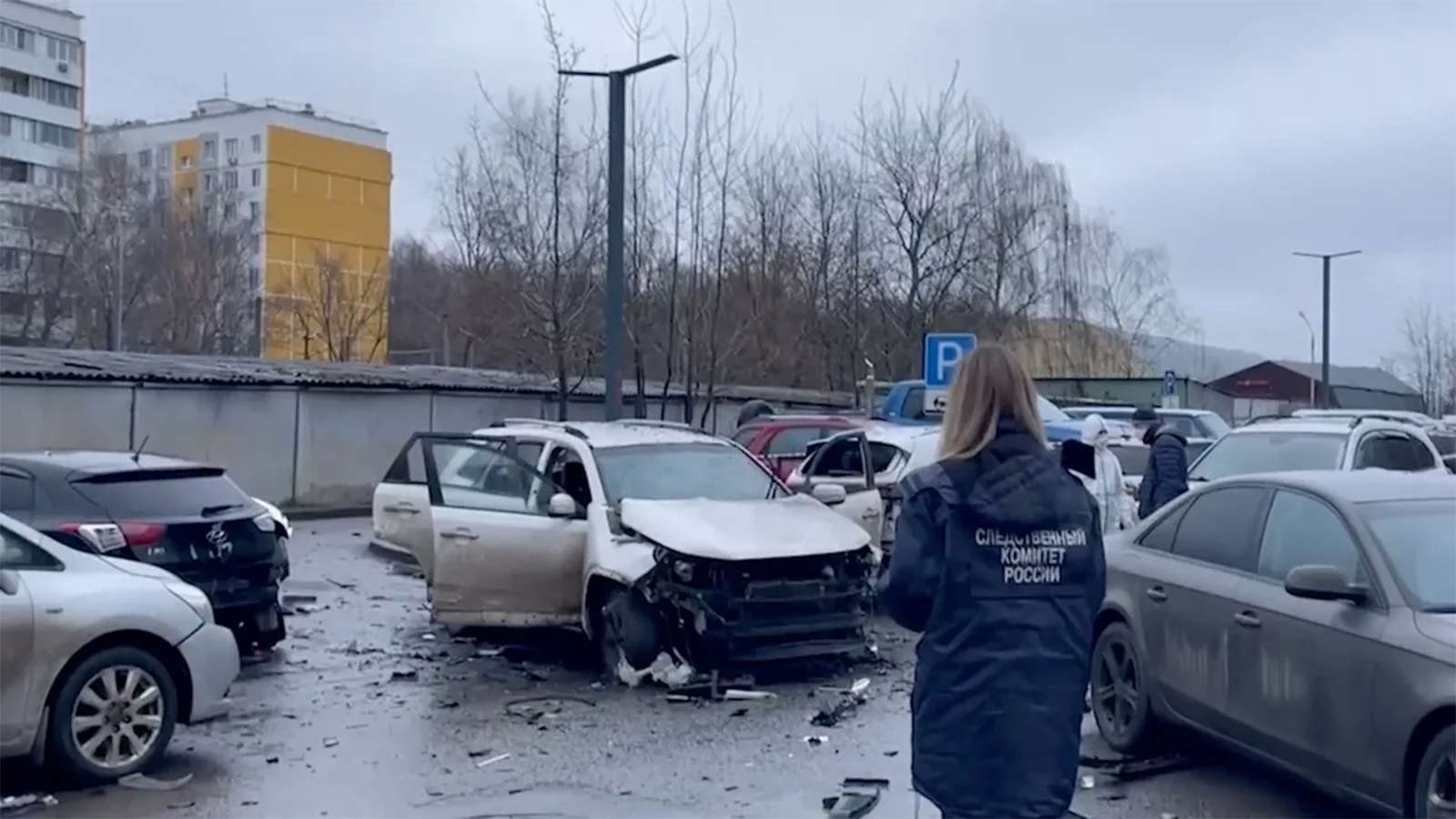
- A car bomb in Moscow killed Russian Lieutenant General Fanil Sarvarov; Russian authorities suspect Ukrainian involvement.
- Ukraine received $2.7bn in EU aid, helping stabilize its war-torn economy.
- Ceasefire negotiations continue but face setbacks as the Kremlin dismisses new peace proposals.
Moscow Bombing Deepens Suspicion and Political Divide
The already volatile Ukraine-Russia conflict took another dramatic turn on December 22, 2025, when a car bomb in southern Moscow killed Lieutenant General Fanil Sarvarov, a key figure in Russia’s military leadership. Russian investigators are openly pursuing the possibility that Ukrainian special forces orchestrated the attack, a line echoed by Western analysts. Domitilla Sagramoso, a lecturer in war studies at King’s College London, told Al Jazeera that targeted strikes against Russian commanders have become part of Kyiv’s asymmetric warfare strategy. While Ukraine has not claimed responsibility, the incident sharply contrasts with previous attacks targeting civilians, suggesting a calculated military objective.
The Kremlin’s response was measured but wary. Russian officials have not ruled out a freeze in ongoing peace negotiations, with some suggesting they would refuse to talk to “terrorists.” Yet, Sagramoso argues that such events, paradoxically, could break deadlocks and push both sides closer to engagement. The timing is crucial, with negotiators convening in Florida for another round of talks described as “productive and constructive” by US special envoy Steve Witkoff. However, no major breakthroughs have emerged, and the Kremlin has dismissed the latest amendments to the Trump-backed peace plan, even as President Putin signals openness to dialogue with French President Emmanuel Macron, according to The Independent.
Ceasefire Talks and Western Leverage: Stalled Progress
As the shadow of violence hangs over Moscow, diplomatic efforts continue to stumble. While Trump’s envoy Witkoff remains optimistic, Russian officials appear to be rejecting proposals without thorough review, reflecting deep mistrust. The French presidency welcomed Putin’s willingness to speak with Macron, but Paris remains cautious, weighing the potential impact on broader European security interests.
Meanwhile, US Senator Lindsey Graham has publicly advocated for escalating pressure on Russia should Putin refuse a negotiated settlement. Graham’s plan involves not only seizing ships carrying sanctioned Russian oil but also supplying Ukraine with Tomahawk cruise missiles—long-range weapons capable of striking deep into Russian territory. The proposal has garnered bipartisan support in the US Senate, but the risk of provoking a wider conflict remains high. Ukraine’s requests for advanced weaponry have long been tempered by NATO allies’ reluctance to cross lines that might draw them directly into war.
Ukraine’s Resilience: EU Aid, Drone Warfare, and Sanctions
Ukraine continues to demonstrate remarkable adaptability under fire. The country recently received $2.7 billion from the European Union’s Ukraine Facility programme, part of a total €70.7 billion in financial support since the war began. Prime Minister Yulia Svirydenko emphasized that these funds help stabilize Ukraine’s economy and maintain social services, underscoring the role of international aid in wartime resilience.
On the battlefield, Ukraine has intensified its drone operations, targeting strategic Russian infrastructure. The Ukrainian General Staff claims responsibility for an overnight attack on the Tamanneftegaz oil terminal in Russia’s Krasnodar region, sparking explosions and fires. Regional authorities confirm that Ukrainian drones damaged vessels and piers, and successfully evacuated all crew members. These strikes are not just tactical; they are intended to disrupt Russia’s logistical and financial support for its forces in Ukraine.
Ukraine’s air defense has also evolved. According to The Independent, elite Ukrainian teams are deploying new, cost-effective drone interceptors like the Sting, capable of countering Russia’s increasingly sophisticated suicide drones. The technological arms race is relentless, with Russia reportedly developing an anti-satellite weapon designed to target Elon Musk’s Starlink constellation—a move that could threaten global communications and collateral satellite systems.
President Volodymyr Zelenskyy has announced a new round of sanctions targeting Russian military-industrial collaborators, including individuals from China, foreign media figures who promote Russian influence, and athletes who glorify aggression. Ukraine is also working with the EU to finalize a 20th package of sanctions and thanked Canada for its support.
European Military Build-Up: Preparing for Uncertainty
As the war grinds on, European countries are recalibrating their military strategies in anticipation of prolonged instability. Germany is implementing a new voluntary military service scheme with higher pay and incentives, aiming to expand its forces to 260,000 soldiers and double its reservists. If recruitment falls short, mandatory call-ups may follow. France, meanwhile, is launching a voluntary youth service for 18- and 19-year-olds, with ambitions to recruit tens of thousands by 2035. The UK is focusing on retention and modernization, with no plans for conscription but a commitment to maintaining a robust full-time force.
Italy and Romania are also adjusting. Italy’s defense ministry is building a hybrid warfare unit and ramping up recruitment, while Romania has approved paid voluntary service for men and women aged 18-35. Poland is set to train 400,000 citizens in security, survival, and cyber-hygiene, reflecting a continent-wide shift toward preparedness and resilience. The Czech Republic is debating the future of its ammunition supply scheme for Ukraine amid political tensions and concerns over transparency.
Ukraine’s Black Sea ports remain vital for its economy, but ongoing Russian attacks have left critical infrastructure in flames. Deputy Prime Minister Oleksiy Kuleba reported fires at the port of Pivdennyi and significant damage to energy facilities, with port workers and emergency services scrambling to respond. The targeting of logistics and export hubs is a calculated attempt by Russia to undermine Ukraine’s economic survival.
The facts paint a picture of a war that is evolving, not fading. The Moscow bombing underscores the fragility of peace efforts and the risks of escalation, while Ukraine’s strategic resilience and Western support keep the conflict dynamic. As European militaries adapt and sanctions tighten, the prospect of a negotiated settlement remains uncertain—caught between hope, suspicion, and the relentless logic of war.