
Quick Read
- Harjinder Singh, a 28-year-old undocumented truck driver, caused a fatal accident in Florida, killing three people.
- Singh made an illegal U-turn, obstructing a minivan’s path, resulting in the deaths of all its occupants.
- He was arrested on charges of vehicular homicide and immigration violations and will be deported after serving his sentence.
- The case has reignited debates about road safety and undocumented drivers holding commercial licenses.
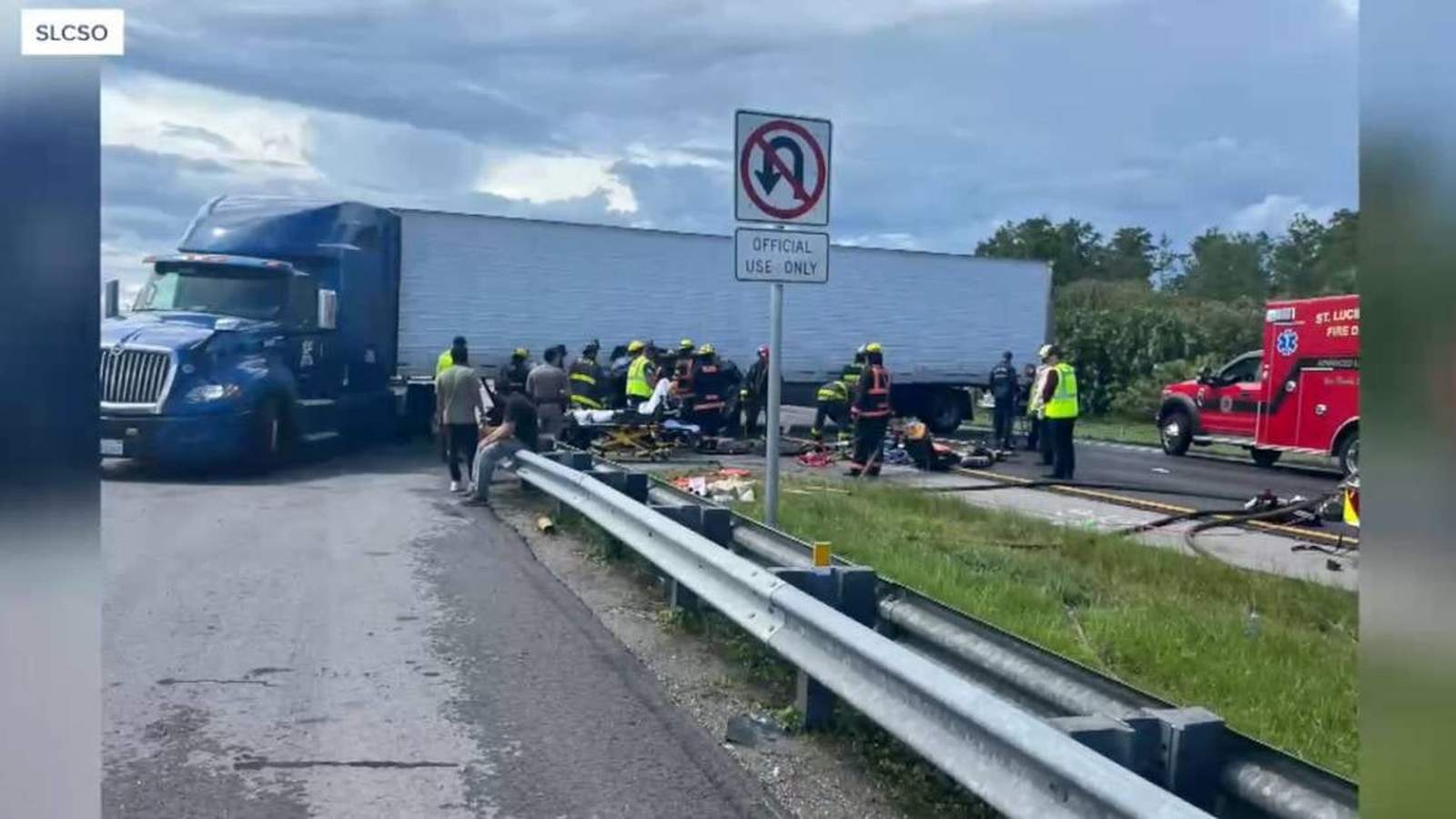
An illegal U-turn performed by 28-year-old truck driver Harjinder Singh on Florida’s Turnpike on August 12, 2025, led to a devastating accident that claimed three lives. The incident, which occurred in St. Lucie County, has sparked national discussions on road safety, licensing regulations, and immigration enforcement.
The Tragic Incident
According to the Florida Highway Patrol (FHP), Singh was driving a 2024 International semi-truck when he attempted an unauthorized U-turn at a turnaround marked for “official use only.” This reckless action obstructed the path of a Chrysler minivan traveling in the northbound lane, causing the van to wedge under the semi-trailer. The minivan’s three occupants—a 30-year-old man from Florida City, a 37-year-old woman from Pompano Beach, and a 54-year-old man from Miami—lost their lives. Two died at the scene, while the third succumbed to injuries at a nearby hospital.
The crash resulted in the closure of all northbound lanes for several hours, as emergency responders worked to extricate the victims and clear the wreckage. The tragedy has left a lasting impact on the victims’ families and communities.
Legal and Immigration Implications
Harjinder Singh, who entered the United States illegally through the Mexican border in 2018, had obtained a commercial driver’s license (CDL) in California despite his undocumented status. Following the accident, Singh was arrested and charged with three counts of vehicular homicide. The Florida Department of Highway Safety and Motor Vehicles (FLHSMV) confirmed that Immigration and Customs Enforcement (ICE) has issued a detainer to ensure Singh remains in custody for immigration violations.
Dave Kerner, Executive Director of FLHSMV, described Singh’s actions as both “shocking and criminal.” In a statement, Kerner emphasized the profound loss experienced by the victims’ families, stating, “Three lives were lost as a result of this recklessness, and countless friends and family members will suffer the pain of their loss forever.” He added that Singh would be deported following the resolution of his state charges.
Broader Implications for Road Safety
This incident has reignited debates about the safety risks posed by undocumented drivers operating commercial vehicles in the U.S. Critics argue that current systems for issuing CDLs lack sufficient oversight, allowing individuals without legal status to obtain licenses and operate heavy machinery on public roads.
Similar concerns were raised earlier in 2025 following a fatal truck accident in Texas involving Alexis Osmani González Companioni, an undocumented Cuban driver. That crash resulted in five deaths and numerous injuries. Both cases highlight the urgent need for stricter enforcement of licensing and immigration laws to prevent such tragedies.
Community Reactions and Next Steps
The accident has drawn widespread attention from both local and national media outlets, including Cibercuba, Florida Politics, and Orlando Sentinel. Public opinion remains divided, with some calling for harsher penalties for undocumented drivers and others advocating for more comprehensive immigration reform to address the root causes of such incidents.
The FLHSMV and FHP have pledged to continue their collaboration with federal agencies like ICE to ensure road safety and legal compliance. “We are committed to enforcing both state and federal law to ensure that people who are a danger to others face justice behind bars,” Kerner stated.
*This tragedy serves as a somber reminder of the importance of road safety, responsible driving, and the need for robust regulatory frameworks to protect lives on America’s highways.*