
Quick read
- UNICEF released its 7th humanitarian situation report on the Democratic Republic of the Congo for February–March 2025.
- The report focuses on the Mpox Level 3 emergency, highlighting the disease’s spread and humanitarian challenges.
- Over 1 million people are affected by the crisis, with children being disproportionately impacted.
- UNICEF emphasizes urgent needs in healthcare, nutrition, and education to combat the crisis.
- The organization calls for increased international support to address the worsening situation.
What is the Mpox Level 3 Emergency in the Congo
The Democratic Republic of the Congo (DRC) continues to face a severe humanitarian crisis exacerbated by the Mpox Level 3 emergency, as detailed in UNICEF’s latest situation report covering February to March 2025. According to Reliefweb, Mpox, also known as monkeypox, has become a significant public health threat in the region, with hundreds of new cases reported during this period.
Mpox is a zoonotic disease primarily endemic to Central and West Africa, but its recent surge in the DRC has been particularly alarming. The Level 3 emergency designation underscores the urgency of the situation, requiring immediate global attention and action. As highlighted by HealthyTravel, the disease spreads through direct contact with infected individuals or animals, posing a challenge in densely populated and resource-limited areas like the DRC.
How Are Children Disproportionately Affected?
UNICEF’s report emphasizes that children are among the most vulnerable populations in the ongoing crisis. More than 1 million people have been affected, with children facing heightened risks due to malnutrition, limited access to healthcare, and disruption of education. According to Reliefweb, the intersection of disease outbreaks and existing humanitarian challenges has created a dire situation for families in the region.
Malnutrition rates among children have surged, as food insecurity worsens in affected areas. Schools have also been forced to close in several provinces, depriving children of not only education but also the safety and meals that schools often provide. This dual crisis of health and education further compounds the vulnerability of young populations.
What Are the Immediate Needs on the Ground?
The report highlights critical gaps in healthcare, nutrition, and sanitation infrastructure that need urgent attention. Mpox’s spread has overwhelmed local healthcare systems, many of which lack adequate resources to manage the outbreak. According to HealthyTravel, the symptoms of Mpox—ranging from fever and muscle aches to painful rashes—require timely medical intervention, which remains inaccessible for many in the DRC.
UNICEF calls for enhanced support to provide life-saving medical supplies, establish isolation units, and train healthcare workers to handle the outbreak. Furthermore, nutrition programs need to be scaled up to address the alarming rates of malnutrition, particularly among children under five years old.
How Is UNICEF Responding to the Crisis?
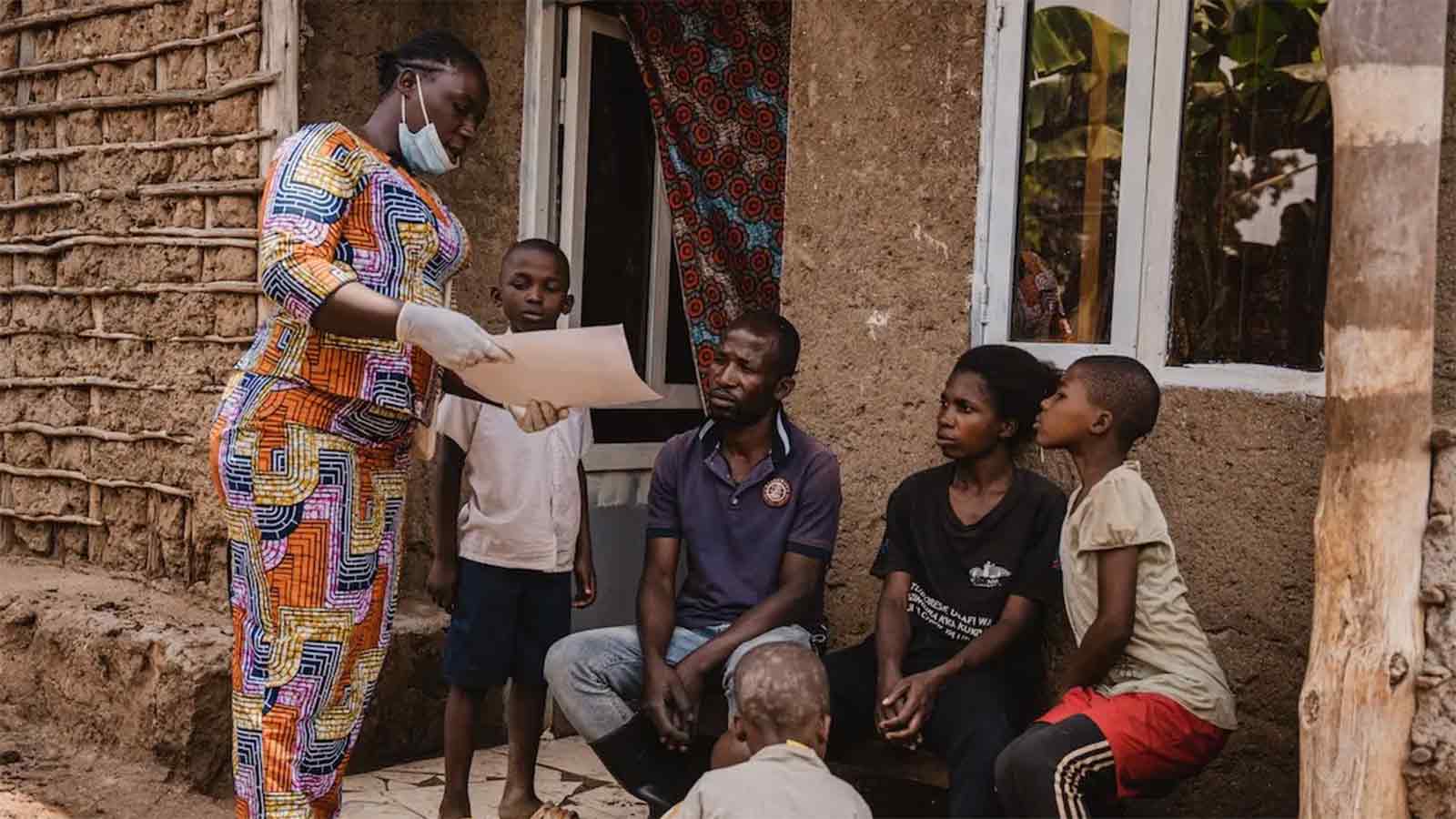
UNICEF has ramped up its efforts to mitigate the impact of the Mpox crisis. The organization is working closely with local authorities and international partners to deliver essential services, including vaccinations, medical care, and nutrition support. According to Reliefweb, UNICEF has also launched awareness campaigns to educate communities about disease prevention and control measures.
Additionally, UNICEF is advocating for increased international funding to support its humanitarian operations. The organization stresses the need for a coordinated global response to prevent further escalation of the crisis and protect vulnerable populations.
Why Is International Support Crucial
The DRC’s Mpox crisis is not just a regional issue but a global concern, as the risk of cross-border transmission remains significant. UNICEF’s report underscores the importance of international solidarity in addressing the crisis. As noted by HealthyTravel, Mpox outbreaks in other parts of the world have demonstrated how interconnected health challenges can be.
Increased funding and resources are essential to strengthen the DRC’s healthcare infrastructure, support nutrition programs, and ensure that children can return to school safely. Without immediate action, the humanitarian situation is likely to deteriorate further, with long-term consequences for the region’s stability and development.
UNICEF’s report serves as a stark reminder of the urgent need for global action to address the humanitarian crisis in the Democratic Republic of the Congo. By prioritizing healthcare, nutrition, and education, the international community can help alleviate the suffering of millions and prevent future outbreaks.