
Quick Read
- United Airlines experienced a nationwide ground stop on August 6, 2025, due to a technical glitch in its Unimatic system.
- More than 1,000 flights were delayed, with some passengers stuck on the tarmac for hours.
- The issue was resolved by 10 p.m. the same night, but residual delays are expected to continue.
- The technical problem was specific to United and was not related to a cyberattack or broader air traffic issues.
- The incident underscores the importance of robust operational systems in the airline industry.
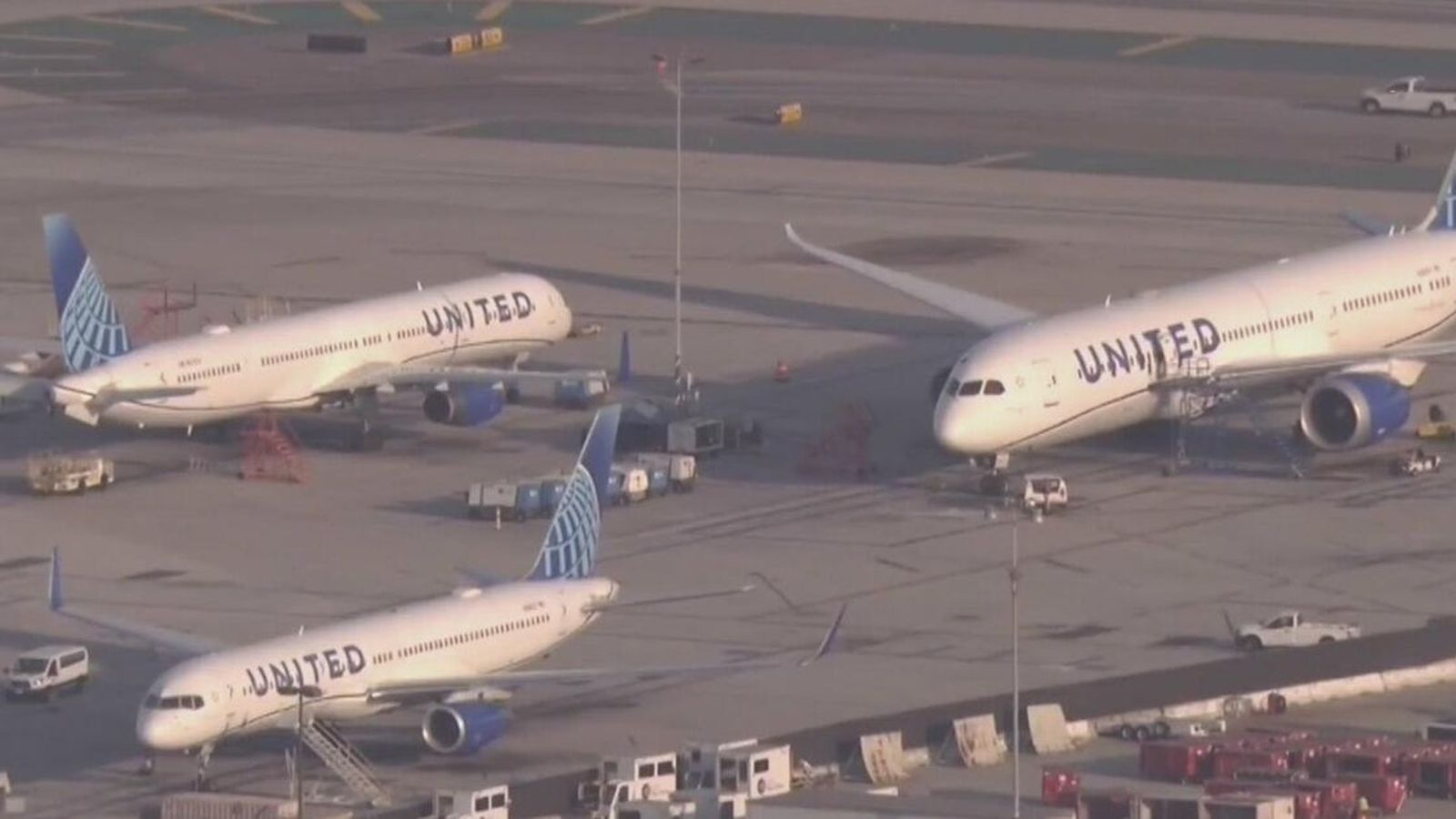
On the evening of August 6, 2025, United Airlines faced a significant operational disruption when a technical issue forced the airline to implement a nationwide ground stop. The problem, which United attributed to an outage in its Unimatic system—a critical tool for managing flight data, weight, balance, and scheduling—affected flights departing from major U.S. airports, including Newark, San Francisco, Chicago, Denver, and Houston. Operations resumed later that night, but not before over 1,000 flights were delayed, leaving passengers stranded and frustrated across the country.
What Happened: A Nationwide Ground Stop
The issue began at approximately 6 p.m. Eastern Time, according to multiple reports, when United Airlines identified a malfunction in its Unimatic system. This system, which integrates crucial information about each flight and feeds it into other operational tools, became inoperable. As a result, United was forced to ground all its mainline flights to ensure passenger safety. A statement from the airline emphasized, “Safety is our top priority, and we’ll work with our customers to get them to their destinations.” Flights already in the air were allowed to continue to their destinations, but the disruption left many departing passengers stuck on the tarmac or at airport gates.
According to Reuters, the Federal Aviation Administration (FAA) and the Department of Transportation (DOT) worked closely with United Airlines to address the issue. The FAA confirmed that the problem was isolated to United’s internal systems and was not related to broader air traffic control systems. Transportation Secretary Sean Duffy also assured the public that the disruption was not caused by a cyberattack.
Impact on Travelers
The ground stop had a ripple effect across United’s network, with more than 1,000 flights delayed and dozens canceled. According to data from FlightAware, some flights were delayed by as much as four hours. Passengers at major hubs like Logan International Airport in Boston and Newark Liberty International Airport in New Jersey reported long waits, with some stuck on the tarmac for over an hour before being allowed to return to the gate.
One passenger, Benjamin Fuentes, described the confusion: “We had landed, and that’s when they told us we would be waiting for a while. We didn’t get any further news until about an hour into the wait, and they finally told us, ‘Oh, the whole system is down nationwide.’” Such delays not only inconvenienced travelers but also caused logistical challenges for United as it worked to realign its operations.
Technical Details and Resolution
United Airlines disclosed that the issue stemmed from its Unimatic system, a platform that houses flight-specific data such as weight, balance, and scheduling. The airline worked intensively to resolve the problem, and by 10 p.m., the system was back online, allowing flights to resume. However, United warned that residual delays could persist for days as it worked to restore normal operations.
In a statement shared with ABC7 News, United clarified that the issue was not caused by a cyberattack, alleviating concerns about potential security vulnerabilities. The airline emphasized that its primary focus was on passenger safety and minimizing disruptions as much as possible.
Lingering Effects and Future Implications
Despite the resolution of the technical glitch, United Airlines faced the challenge of clearing a backlog of delayed flights and accommodating stranded passengers. Transportation Secretary Sean Duffy noted that while the immediate issue was resolved, the incident highlighted the importance of robust operational systems in preventing large-scale disruptions.
Industry experts believe such incidents underscore the vulnerability of airlines to technology failures. “Modern airlines rely heavily on interconnected systems,” said an aviation analyst. “When one system goes down, it can create a domino effect, impacting everything from scheduling to passenger services.” The incident serves as a reminder of the critical need for airlines to invest in system redundancies and contingency planning.
*As of now, United Airlines has resumed normal operations, but the impact of the disruption is a stark reminder of how dependent modern air travel is on seamless technology.*