
Quick Read
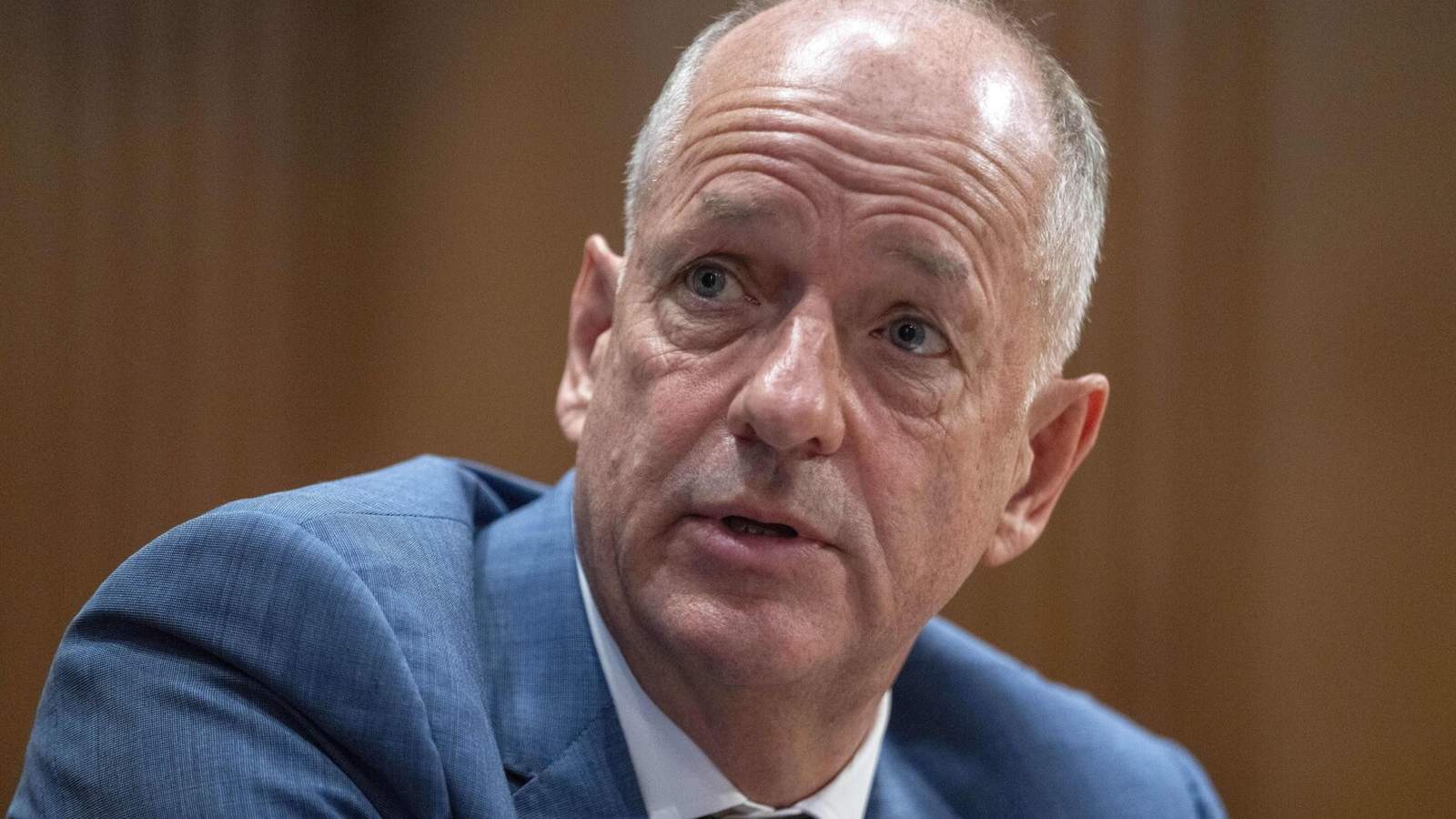
- UnitedHealth CEO Andrew Witty steps down citing personal reasons.
- Chairman Stephen Hemsley reinstated as CEO, effective immediately.
- Company suspends 2025 financial outlook due to rising medical costs.
- UnitedHealth stock drops 16%, other insurers also face declines.
- Witty will remain as senior adviser; Hemsley promises urgent reforms.
UnitedHealth CEO Andrew Witty Resigns Amid Corporate Challenges
UnitedHealth Group, the largest health insurer in the United States, announced a major leadership change on Tuesday as CEO Andrew Witty stepped down for personal reasons. This unexpected development comes at a time when the company is grappling with rising medical costs and a sharp decline in stock prices. Stephen Hemsley, who previously served as CEO from 2006 to 2017, has been reinstated as the new chief executive, effective immediately. Witty will transition to the role of senior adviser to Hemsley.
Financial Struggles Lead to Suspended Outlook
UnitedHealth’s decision to suspend its financial outlook for 2025 highlights the challenges the company is facing. According to a statement released during an investor call, medical costs associated with new Medicare Advantage members have exceeded expectations, contributing to a downward revision in the company’s performance forecast. Shares of UnitedHealth dropped more than 16% on Tuesday, reaching levels not seen in nearly five years. Other major insurers, including Elevance, Humana, and Cigna, also experienced declines ranging from 4% to 7%.
Historical Context: UnitedHealth’s Growth Under Witty
Andrew Witty, who joined UnitedHealth in 2018 after a nine-year tenure as CEO of GlaxoSmithKline, was appointed UnitedHealth’s CEO in February 2021. Under his leadership, the company experienced significant growth, with total revenue increasing by 55% to over $400 billion in 2022. UnitedHealth’s stock price also rose by 60.5% during Witty’s tenure. Despite these achievements, recent months have brought considerable challenges to the healthcare giant, including its first quarterly earnings miss in over a decade.
Impact of External and Internal Challenges
UnitedHealth’s difficulties have been compounded by a series of external and internal challenges. The December 2024 murder of UnitedHealthcare executive Brian Thompson outside a New York City hotel shocked the corporate world and led to heightened security concerns. While unrelated to the company’s financial operations, the incident cast a shadow over UnitedHealth’s public image. Additionally, a cyberattack on Change Healthcare, a subsidiary of UnitedHealth, earlier this year resulted in costly breaches and ongoing legal proceedings.
Hemsley’s Vision for Recovery
During an investor call on Tuesday, Stephen Hemsley expressed optimism about UnitedHealth’s ability to overcome its current challenges. “I’m deeply disappointed in and apologize for the performance setbacks we have encountered from both external and internal challenges,” Hemsley said. “Many of the issues standing in the way of achieving our goals are largely within our control. We will approach them with humility, rigor, and urgency.”
Hemsley’s previous tenure as CEO was marked by significant expansion, transforming UnitedHealth into a $400 billion conglomerate. His reinstatement is expected to reassure investors and stabilize the company’s leadership during this turbulent period.
Future Prospects and Industry Impact
UnitedHealth’s suspension of its financial outlook for 2025 has raised concerns across the healthcare industry. The company’s Medicare Advantage plans, which serve over 8 million customers, have been a key driver of its growth. However, higher-than-anticipated medical costs among new enrollees have forced UnitedHealth to revise its pricing strategy and incorporate these trends into its 2026 bids.
Chief Financial Officer John Rex outlined three primary factors contributing to the increased costs: the health status of new members, accelerated utilization within Medicare Advantage, and broader trends in outpatient and physician services. “We are prudently anticipating these trends may go even further,” Rex stated.
UnitedHealth’s leadership shakeup and financial setbacks underscore the complexities of managing a healthcare giant in today’s volatile environment. As Stephen Hemsley takes the helm once again, the company faces the dual challenge of restoring investor confidence and addressing rising medical costs. With over 50 million people relying on UnitedHealth for health insurance, its ability to navigate these challenges will have significant implications for the broader industry.
Source: Apnews, Insurancenewsnet, Yahoo Finance