
Quick Read
- UnitedHealth Group shares plunged nearly 20% on Tuesday, January 27, 2026.
- The decline was primarily driven by the Trump administration’s proposed 0.09% average increase in Medicare Advantage payment rates for 2027, falling short of market expectations.
- UnitedHealth’s fourth-quarter earnings per share met analyst estimates, but revenues slightly missed projections.
- The stock drop contributed to a roughly 1% retreat for the Dow Jones Industrial Average.
- Other health insurers like Humana and CVS Health also experienced significant stock declines.
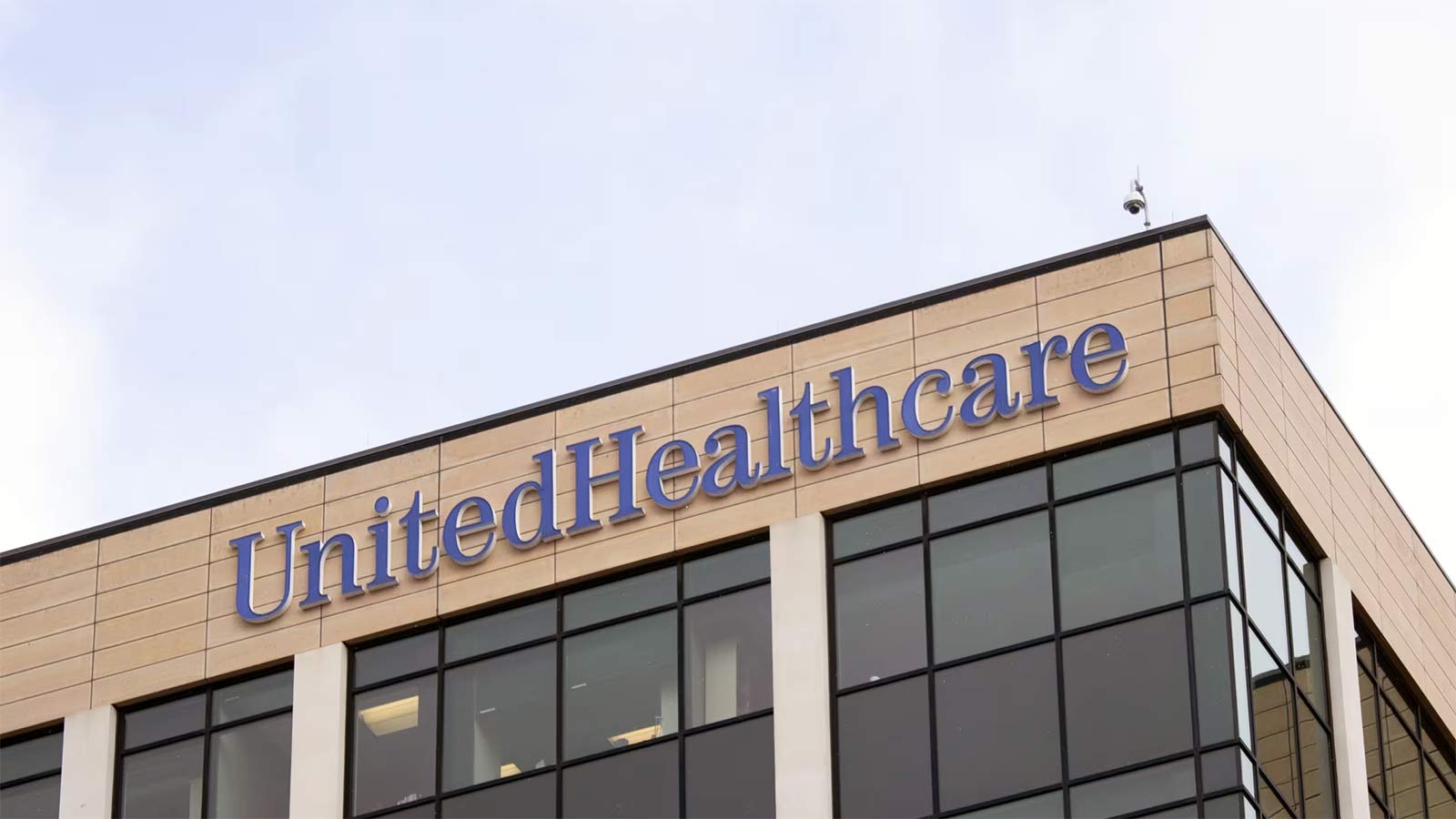
NEW YORK (Azat TV) – UnitedHealth Group’s shares plunged nearly 20% on Tuesday, January 27, 2026, significantly weighing on the Dow Jones Industrial Average, after the Trump administration’s proposed Medicare Advantage payment rates for 2027 fell far short of Wall Street’s expectations. The substantial drop occurred despite the healthcare giant reporting fourth-quarter earnings per share that met analyst estimates, as a slight revenue miss and the regulatory outlook overshadowed its financial results.
Dow Weighs Heavy as UnitedHealth Plunges
The steep decline in UnitedHealth (UNH) stock contributed to a roughly 1% retreat for the Dow Jones Industrial Average, contrasting sharply with gains seen in the broader market. The S&P 500 and the tech-heavy Nasdaq Composite both rose, propelled by optimism surrounding memory chipmakers and ahead of key earnings reports from major technology companies like Meta, Microsoft, and Tesla.
UnitedHealth’s shares tumbled in premarket trading and continued their slide throughout Tuesday, eventually shedding almost 20% of their value. This sharp correction highlights the market’s sensitivity to regulatory decisions, particularly those impacting the highly profitable Medicare Advantage sector, which serves millions of elderly and disabled Americans.
Medicare Rate Proposal Sparks Sector-Wide Sell-Off
The primary catalyst for UnitedHealth’s stock plunge was a proposal from the Centers for Medicare & Medicaid Services (CMS) suggesting that annual payments for Medicare Advantage insurers would increase by an average of just 0.09% for 2027. This figure was considerably lower than what analysts and investors had anticipated, effectively signaling a flat payment rate in real terms and raising concerns about future profitability for health insurers.
The announcement triggered a broader sell-off across the health insurance sector. Competitors also saw significant drops, with Humana’s stock falling 12.5% and CVS Health’s shares sinking over 10% following the CMS report. The Wall Street Journal had previously reported on government watchdogs expressing concerns over pay practices within the health insurance industry, adding to the pre-existing regulatory scrutiny.
UnitedHealth’s Q4 Performance and 2026 Outlook
UnitedHealth Group released its fourth-quarter and full-year 2025 financial results on Tuesday morning. While the company reported quarterly earnings per share of $2.11, precisely in line with analyst expectations, its revenues for both the fourth quarter and the full year 2025 fell slightly below estimates. Fourth-quarter revenue came in at $113.2 million against an estimated $113.7 million, and full-year revenue was $447.6 million compared to an estimated $447.9 million.
The company also disclosed a significant $799 million hit to its full-year revenue due to a major cyberattack in February 2024 on its subsidiary, Change Healthcare. Looking ahead, UnitedHealth projected its 2026 revenue to be above $439 billion, which would represent a 2% year-over-year decline. This expected decrease was attributed by the healthcare giant to “right-sizing across the enterprise.” The company’s medical care ratio, a crucial metric reflecting the percentage of premium revenue spent on medical claims, stood at 89.1% for 2025, with a forecast of 88.8% (plus or minus 50 basis points) for 2026.
Broader Market Movements Amid Economic Uncertainty
The UnitedHealth news unfolded amidst a dynamic day for the broader U.S. stock market. Tech stocks, particularly memory chipmakers like Micron Technology, which announced a $24 billion investment in a new Singapore facility, spurred gains for the S&P 500 and Nasdaq. Other companies also released earnings, with General Motors (GM) posting a fourth-quarter beat and announcing a $6 billion stock buyback, while American Airlines (AAL) reported record revenue despite an earnings miss impacted by a government shutdown.
Meanwhile, consumer confidence dipped to its lowest level since 2014, reflecting concerns over inflation, tariffs, and trade policy uncertainty. The Federal Reserve also commenced its two-day meeting, with markets closely watching for signals on future interest rate cuts, even as a steady benchmark rate decision was widely anticipated. Geopolitical developments, including a newly clinched India-EU trade deal and ongoing discussions about tariff policies from President Trump, also continued to shape investor sentiment.
The sharp decline in UnitedHealth’s stock, driven primarily by regulatory policy changes, underscores the significant influence of government decisions on the healthcare sector’s market valuation, demonstrating that even strong operational performance can be overshadowed by shifts in the political and regulatory landscape.