
Quick Read
- US Ambassador Pete Hoekstra criticized Ontario’s anti-tariff ad campaign, intensifying diplomatic tensions with Canada.
- Hoekstra insists some tariffs are unavoidable in any new US-Canada trade deal, citing Trump-era policies.
- The F-35 fighter jet contract is a major flashpoint; cancellation could impact broader trade negotiations.
- Canadian retaliatory measures include pulling American products and threatening defense contracts.
- Market analysts warn of volatility and job losses in key Canadian sectors if trade disputes persist.
Hoekstra’s Critique: A New Chapter in US-Canada Trade Tensions
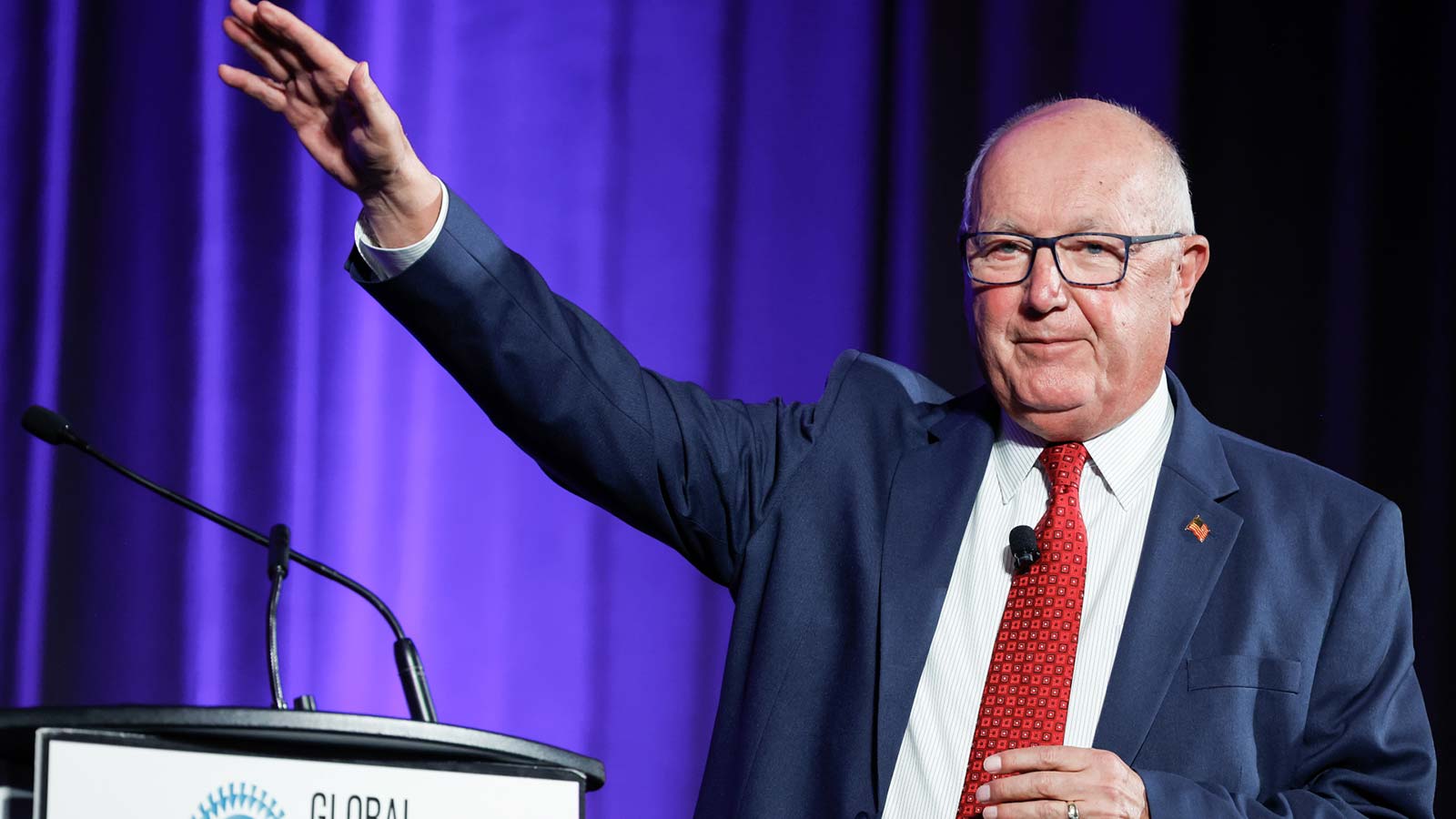
In late 2025, Pete Hoekstra, the US ambassador to Canada, set off a fresh wave of diplomatic friction between the two countries. His vocal criticism of Ontario’s anti-tariff ad campaign was more than just a passing comment—it reignited a longstanding debate about tariffs, trade fairness, and the future of economic cooperation. As reported by Meyka, Hoekstra’s remarks have thrown a spotlight on the fragile state of US-Canada relations, particularly around the unresolved legacy of Trump-era tariffs.
Ontario’s ad campaign had highlighted the negative impact of US tariffs on Canadian businesses, aiming to rally public opinion against what many see as unfair trade practices. Hoekstra’s retort was swift and sharp. He warned Canadian officials not to run such ads again and insisted that some tariffs were unavoidable if Canada wanted a trade deal. The fallout was immediate, with public debate intensifying and diplomatic channels growing tense. In online forums like Reddit and in the Canadian press, observers noted that Hoekstra’s rhetoric could jeopardize the traditionally robust trade relationship between the two neighbors.
Trump-Era Tariffs: Lingering Shadows Over Bilateral Relations
Tariffs introduced under President $1 remain a persistent thorn in the side of US-Canada economic relations. According to Meyka and World Bank data, these tariffs have affected more than $250 billion worth of goods, raising costs for Canadian businesses and threatening to increase consumer prices if the situation remains unresolved. Despite attempts to ease these tensions in recent years, Hoekstra’s stance has reopened old wounds, and the specter of further trade restrictions looms large.
Canadian officials, meanwhile, have not been passive. As Toronto Sun columnist Brian Lilley notes, Canada has retaliated with its own tariffs and policy moves. American liquor has been pulled from government-owned shelves, programs have been launched to discourage travel and purchases of US goods, and now, Ottawa is threatening to cancel a major fighter jet purchase for the second time in a decade. The diplomatic tit-for-tat has escalated, with both sides digging in over access to markets and the terms of trade.
The F-35 Fighter Jet Deal: A Flashpoint for Economic and Political Stakes
One of the most contentious issues in the current standoff is the F-35 fighter jet contract. Canada has a signed agreement to purchase 88 F-35s from Lockheed-Martin—a deal expected to generate 2,500 to 3,000 direct jobs and millions in Canadian parts per plane. But political tensions have put the contract in jeopardy. Ambassador Hoekstra has made it clear that ripping up the deal could have consequences beyond defense procurement, threatening Canada’s chances at a broader trade agreement with the US.
Canadian politicians have floated alternative plans, such as building Sweden’s Gripen jets, claiming this would create up to 10,000 jobs domestically. But, as Lilley points out, these claims are wildly optimistic; Brazil’s experience with local Gripen production resulted in only a few hundred jobs, a far cry from the figures touted in Canadian media. The controversy underscores a broader challenge: balancing political rhetoric with economic reality, especially when thousands of Canadian workers’ livelihoods are at stake.
Market Sentiments: Volatility and Uncertainty for Businesses and Workers
The market response to these renewed tensions has been predictably volatile. Canadian sectors most exposed to US tariffs—automotive, agriculture, and manufacturing—have seen swings in investor confidence. The Toronto Stock Exchange, sensitive to changes in trade policy, has reflected this uncertainty with notable fluctuations.
For businesses, Hoekstra’s rhetoric signals a need to rethink strategies. As trade talks falter and the possibility of new tariffs looms, supply chains are under review. Some companies are exploring diversification, while others brace for potential job losses if negotiations collapse. Everyday Canadians, especially frontline workers, are feeling the pressure as their jobs and livelihoods hang in the balance.
The Path Forward: Negotiation, Cooperation, and Hard Choices
Despite the heated rhetoric, there is a sense among policymakers and market analysts that continued cooperation and clear communication are essential for moving forward. Ambassador Hoekstra’s warning—that tariff-free access to the US market is unlikely—reflects a shift in Washington’s priorities. The days of easy cross-border trade, reminiscent of the Mulroney-Reagan era, appear to be over. Instead, both sides face hard choices: accept some level of tariffs and secure a deal, or risk further economic punishment and lost jobs.
Canadian Prime Minister Mark Carney has publicly acknowledged these realities, noting that Canada may have to settle for less-than-ideal terms. The urgency for a deal is palpable—not just for politicians, but for the workers whose futures depend on stable trade relations. As Lilley writes, “I’ll stand with the workers who need the support every single day.”
Ultimately, the outcome of this diplomatic standoff will shape not only the future of US-Canada trade but also the broader contours of North American economic integration. The stakes are high, and the path forward is anything but certain.
Assessment: Pete Hoekstra’s assertive diplomacy has exposed the underlying fragility of US-Canada relations, forcing both governments and businesses to confront uncomfortable truths about tariffs, market access, and economic interdependence. While his remarks have created tension and uncertainty, they have also clarified the need for pragmatic negotiation and realistic expectations in an era of shifting global priorities.