
Quick Read
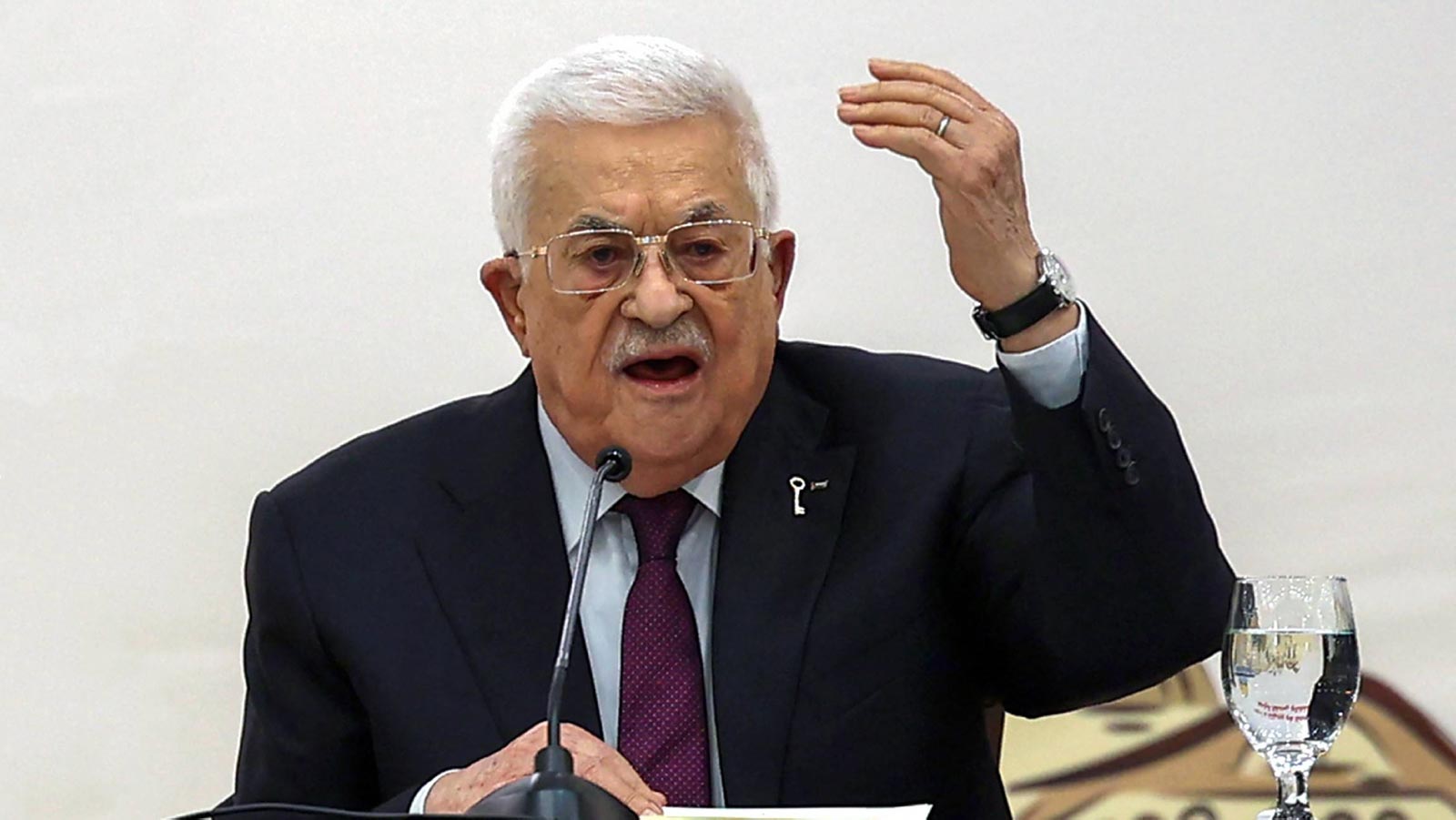
- The US has revoked visas for Palestinian President Mahmoud Abbas and 80 officials, barring their participation in the upcoming UN General Assembly.
- The decision coincides with Western allies preparing to formally recognize Palestine as a state.
- Palestinian officials argue the move violates the 1947 UN Headquarters Agreement.
- European leaders and Arab nations have called for the US to reconsider its stance.
- The controversy unfolds amid escalating violence in Gaza and tensions over Israeli settlement expansion.
The United States has stirred international controversy by revoking the visas of Palestinian President Mahmoud Abbas and 80 other officials just weeks before the United Nations General Assembly. This decision, announced on August 30, 2025, comes amid heightened tensions over the recognition of a Palestinian state by several Western allies and ongoing violence in Gaza. The move has drawn widespread criticism from global leaders, with many questioning its alignment with international agreements.
US Visa Revocation Sparks Diplomatic Tensions
On Friday, the U.S. State Department announced it would not permit President Mahmoud Abbas or other key Palestinian officials to travel to New York for the annual UN General Assembly. Secretary of State Marco Rubio cited national security concerns as the primary reason for the decision. According to The Los Angeles Times, the revocation also extends to members of the Palestine Liberation Organization (PLO) and the West Bank-based Palestinian Authority (PA).
The Palestinian delegation had planned to attend not only the General Assembly but also a high-profile summit co-hosted by France and Saudi Arabia on September 22. This summit is expected to feature formal recognition of a Palestinian state by countries such as France, Britain, Australia, and Canada. In a statement, Abbas’s office described the U.S. decision as a violation of the 1947 UN Headquarters Agreement, which obligates the U.S. to grant access to foreign diplomats attending UN events.
“This decision will only increase tension and escalation,” said Nabil Abu Rudeineh, spokesperson for Abbas, in a statement to Arab News. He further noted ongoing diplomatic efforts to reverse the decision, emphasizing the importance of international pressure on Washington.
Western Allies Push for Palestinian State Recognition
The U.S. visa decision coincides with a growing movement among Western nations to formally recognize Palestine as a state. According to Reuters, at least 147 of the 193 UN member states already recognize Palestine, but the push by countries like France and Canada marks a significant shift in geopolitical dynamics. These nations are reportedly frustrated by the ongoing Israeli military operations in Gaza and the expansion of settlements in the West Bank, which they view as obstacles to peace.
French Foreign Minister Jean-Noël Barrot condemned the U.S. decision, stating, “The UN headquarters is a sanctuary dedicated to peace, and it should not suffer any restrictions on access.” The European Union has also expressed its disapproval, with foreign policy chief Kaja Kallas urging Washington to reconsider its stance.
At the heart of the recognition efforts is the two-state solution, a long-sought goal for resolving the Israeli-Palestinian conflict. However, the U.S. maintains that such a resolution can only be achieved through direct negotiations between the two parties. In a statement, the State Department accused the PLO and PA of undermining peace efforts by failing to repudiate extremism, a claim Palestinian officials vehemently deny.
Historical Context and Comparisons
This is not the first time the U.S. has restricted Palestinian leaders from attending UN events. In 1988, PLO leader Yasser Arafat was denied a visa, prompting the UN General Assembly to relocate its session to Geneva. The current situation, however, unfolds against a backdrop of escalating violence and humanitarian crises in Gaza.
Since October 2023, when a Hamas attack triggered a full-scale conflict, tens of thousands of Palestinians have been killed, and Gaza faces a severe starvation crisis. The Israeli government has declared Gaza City a combat zone, further complicating efforts to address the humanitarian and political dimensions of the conflict. Palestinian officials, including Abbas, have condemned the violence and called for an end to Israeli offensives in both Gaza and the West Bank.
In June 2025, Abbas wrote a letter to French President Emmanuel Macron condemning Hamas’s actions and advocating for the release of hostages. However, this has not softened U.S. criticism of the Palestinian leadership, which Washington accuses of failing to fulfill its commitments to peace and security.
International Reactions and the Road Ahead
The U.S. decision has sparked a flurry of diplomatic activity. The United Nations has announced plans to engage with the State Department to clarify the situation, while European leaders continue to advocate for the reinstatement of Abbas’s visa. Meanwhile, Arab nations, including Saudi Arabia, have joined the chorus of voices urging the U.S. to reconsider its position.
The controversy has also put a spotlight on the broader implications for U.S. foreign policy. Critics argue that barring Abbas from the UN undermines the credibility of Washington as a neutral broker in the Israeli-Palestinian conflict. Others see it as part of a broader strategy to isolate Palestinian leadership and strengthen U.S.-Israeli relations.
As the UN General Assembly approaches, the question remains whether international pressure will prompt the U.S. to reverse its decision or if the Palestinian delegation will find alternative platforms to voice their concerns.
The unfolding events underscore the complexities of international diplomacy and the enduring challenges of achieving peace in the Middle East.