
- The 2025 US Annual Report on Cancer shows continued declines in overall death rates.
- Overall cancer incidence rates showed a non-significant trend from 2017-2021 (excluding 2020).
- Incidence and mortality trends vary significantly by cancer type, sex, age, and racial/ethnic group.
- The COVID-19 pandemic likely caused a temporary decrease in cancer diagnoses in 2020 due to healthcare disruptions.
- Persistent racial disparities in cancer incidence and mortality are highlighted in the report.
US Cancer Report 2025: Mortality Continues Decline, Incidence Trends Vary Amid Pandemic Impact
The “2025 Annual Report to the Nation on the Status of Cancer” has been released, providing a comprehensive analysis of cancer incidence and mortality statistics across the United States. The report, a collaborative effort by major cancer surveillance organizations, examines trends up to 2021 for incidence and 2022 for death rates, with a particular focus on state-level data and the potential impact of the COVID-19 pandemic. While long-term declines in cancer mortality are highlighted, the report also notes variations in incidence trends across different demographics and cancer types, alongside the influence of the pandemic on diagnoses in 2020.
Overall Cancer Trends Show Divergent Patterns
According to the report, the overall age-standardized incidence rate for all cancer sites combined showed a non-significant trend, with an Annual Percent Change (AAPC) of 0.1% (95% Confidence Interval -0.1 to 0.3) for the period 2017-2021, excluding data from 2020 due to the pandemic’s impact on reporting. Sex differences were observed, with incidence rates being higher in males overall. Females showed a statistically significant increasing trend in overall incidence (AAPC 0.3%, 95% CI 0.1 to 0.6), while males experienced a non-significant decreasing trend. Age group differences were also noted, with children aged 0-14 showing a statistically significant decreasing trend in overall incidence (AAPC -0.8%, 95% CI -1.8 to -0.2), while Adolescents and Young Adults (AYAs) aged 15-39 had a non-significant increasing trend.
In contrast to incidence, overall age-standardized cancer death rates continued to decline significantly for both sexes between 2018 and 2022. The AAPC for males was -1.7%, and for females, it was -1.3%. Joinpoint analysis, providing a more detailed look at trends from 2001-2022, shows a consistent overall declining trend in mortality for both sexes, with some acceleration in the rate of decline in more recent years, such as a -2.1% decline per year between 2016 and 2019 (95% CI -2.3 to -1.9).
Incidence Trends for Common Cancers Vary by Type
Analyzing incidence trends for specific common cancers (2017-2021, excluding 2020), the report reveals diverse patterns. Prostate cancer in males showed a significant increasing trend (AAPC 2.9%, 95% CI 1.8 to 4.3). This increase was notably highest among Non-Hispanic White males (3.5%). Lung and bronchus cancer showed a significant decreasing trend in both males (AAPC -3.4%) and females (AAPC -2.1%). Female breast cancer, however, showed a significant increasing trend (AAPC 1.6%, 95% CI 0.9 to 2.0). Colorectal cancer showed a significant decreasing trend in both males (AAPC -1.0%) and females (AAPC -0.7%). Melanoma of the skin showed a significantly increasing trend in females (AAPC 1.7%) but a non-significant trend in males. Thyroid cancer showed a significant decreasing trend in both males (AAPC -1.1%) and females (AAPC -1.9%). Joinpoint analysis (2001-2021) further details shifts in these trends, such as prostate cancer incidence increasing from 2014-2021 (APC 2.9%) and female breast cancer increasing from 2017-2021 (APC 1.6%). Thyroid cancer showed a period of rapid increase from 2001-2009 (7.1% for males, 7.3% for females) followed by subsequent decreases.
Mortality Trends Show Declines for Many Major Cancers
For common causes of cancer death (2018-2022), the report shows declining mortality rates for many types. Lung and bronchus cancer exhibited the largest decline in death rates for both males (AAPC -4.5%) and females (AAPC -3.4%). Colorectal cancer death rates also showed significant declines in both sexes. Prostate cancer death rates in males showed a small but significant decline (AAPC -0.6%), though joinpoint analysis (2001-2022) indicates this decline has slowed in more recent years. Breast cancer death rates in females showed a significant decline (AAPC -1.5%). Pancreatic cancer death rates showed a small but significant increasing trend in males (AAPC 0.3%), while the trend was non-significant in females.
Source: 2025 Annual Report to the Nation on the Status of Cancer via Briefing Document
Persistent Racial and Ethnic Disparities Highlighted
The report highlights persistent racial and ethnic disparities in both cancer incidence and mortality. Significant variations in incidence rates and trends were observed across racial/ethnic groups. For example, Non-Hispanic Asian/Pacific Islander (API) females showed a significantly higher increasing trend in all sites incidence (AAPC 1.6%, 95% CI 1.1 to 1.8) compared to other groups. Non-Hispanic American Indian/Alaska Native (AI/AN) from Purchased/Referred Care Delivery Areas (PRCDA) also showed a significant increase (AAPC 0.7%, 95% CI 0.6 to 0.9) in overall incidence. In terms of mortality, Non-Hispanic Black individuals continued to have the highest death rates for all sites combined. However, this group also experienced a significant decline in death rates (AAPC -2.0%), while Non-Hispanic API individuals had the lowest death rates overall.
COVID-19 Pandemic’s Impact on Cancer Detection in 2020
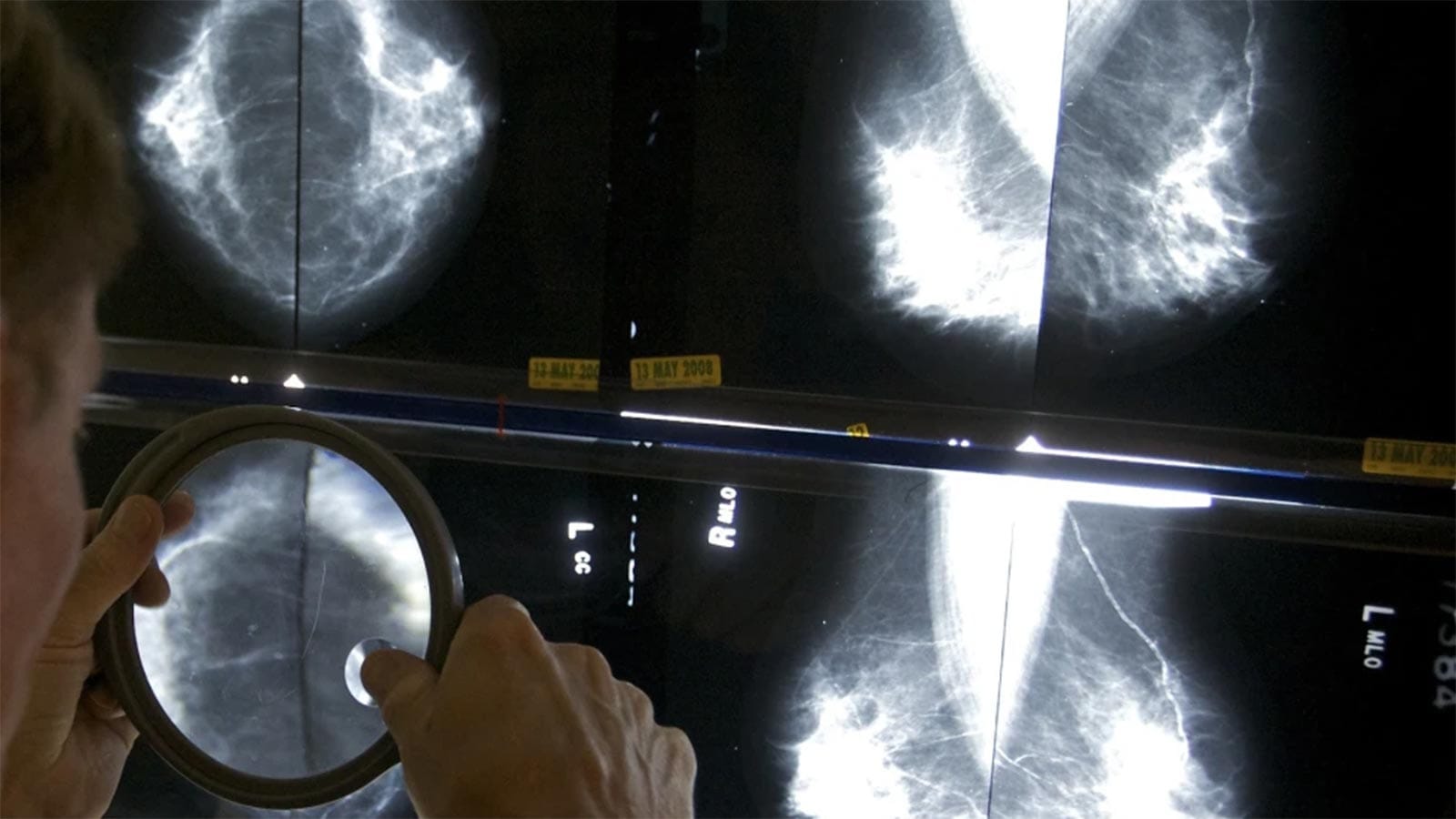
The report explicitly acknowledges the significant disruptions to healthcare access and utilization caused by the COVID-19 pandemic in 2020. These disruptions likely impacted cancer incidence reporting for that year, leading to a temporary decrease in observed diagnoses. Table 9 within the report provides specific data examining the relative decline in female breast cancer incidence from 2019 to 2020 in relation to corresponding changes in mammography utilization. The data suggests a correlation between the magnitude of the decline in mammography screening and the relative decline in breast cancer incidence. For example, cancer registries that reported the “Greatest decline” in mammography use, ranging from -7.3% to -21.2%, also observed a rate ratio of 0.90 (95% CI 0.89–0.91) for breast cancer incidence in 2020 compared to 2019. This indicates an approximately 10% relative decline in diagnoses among populations served by those registries. This finding supports the hypothesis that reduced screening activities during the pandemic contributed to a decrease in the number of new cancer diagnoses in 2020, particularly for cancers typically detected through screening, such as breast cancer.
Specific Disparities: Endometrial Cancer and Potential Risk Factors
The report’s reference list points to research highlighting specific disparities, such as those in endometrial cancer. Several citations (68-71) indicate that racial disparities exist in endometrial cancer treatment and outcomes, with Black and Hispanic women being less likely to receive guideline-concordant treatment. Furthermore, other citations (72 and 73) draw attention to emerging research on the potential link between the use of hair straightening products, particularly among women of African descent, and an increased risk of uterine cancer. This research is noted in the context of potentially contributing factors to the observed disparities in these cancer types.
Data Limitations and Ongoing Monitoring
The report notes certain data limitations. For instance, incidence data for the year 2020 was excluded from the fixed-interval trend analysis due to the known impact of the COVID-19 pandemic on cancer diagnosis and reporting for that year. The analysis relies on high-quality incidence data obtained from participating cancer registries, which, while robust, may not cover the entirety of the US population. The report’s findings are based on the data available through these established surveillance systems.
Mixed Progress and Persistent Challenges
In conclusion, the “2025 Annual Report to the Nation on the Status of Cancer” provides a detailed picture of cancer trends in the United States. While the continued decline in overall cancer death rates is a positive long-term trend, incidence trends show more varied patterns depending on the specific cancer type, sex, age, and racial/ethnic group. The temporary impact of the COVID-19 pandemic on cancer detection in 2020, particularly evidenced by the correlation between reduced mammography and lower breast cancer incidence, highlights the vulnerability of cancer surveillance and diagnosis to healthcare disruptions. The report also underscores the persistence of racial disparities in cancer incidence and mortality. The mention of emerging research on potential risk factors like hair straightening products in the context of endometrial/uterine cancer disparities points to the ongoing need for investigation into the underlying causes of these inequalities. Continued monitoring of cancer trends in the post-pandemic era and dedicated research into disparities are crucial for informing effective public health strategies and cancer control efforts aimed at reducing the burden of cancer for all populations in the United States.