
Quick Read
- U.S. Embassy in Trinidad and Tobago warned Americans to avoid embassy facilities amid rising security concerns.
- Alert follows U.S. military strikes targeting suspected drug traffickers, sparking tensions with Venezuela.
- Prime Minister Kamla Persad-Bissessar remained mostly silent, prompting criticism from opposition leaders.
- Local authorities implemented security measures but stressed Trinidadians are safe.
- Defense Force prepares for possible border-security operations due to regional instability.
Embassy Alert Shakes Trinidad and Tobago Amid Rising Regional Tensions
On a quiet Saturday in Port-of-Spain, Trinidad and Tobago, the pulse of the city changed in an instant. The U.S. Embassy delivered an unusual warning: Americans in the country should avoid U.S. government facilities for the holiday weekend, citing a ‘heightened state of alert.’ The timing wasn’t random. Trinidad and Tobago was set to celebrate Diwali, a festival of lights cherished by much of the population. But this year, the atmosphere was clouded by uncertainty.
The catalyst behind the alert was clear—escalating tensions between the United States and Venezuela. Recent U.S. military strikes targeting suspected drug traffickers in Caribbean waters have left at least 29 dead since September, according to Los Angeles Times. The most recent incident involved two local fishermen who vanished after a strike near Trinidad’s coast, sparking grief in their coastal community and raising fears of further violence.
Government Silence and Public Anxiety
While embassy warnings are not unheard of, this one struck a nerve. The embassy’s statement didn’t detail the nature of the threats but urged Americans to ‘be aware of your surroundings,’ follow credible news, and report suspicious activity. The lack of specifics only fueled anxiety.
Prime Minister Kamla Persad-Bissessar offered little comfort, responding curtly when pressed for details: “Please ask the U.S. It is their notice.” Her silence drew criticism from former Prime Minister Stuart Young, who accused her of “hiding for days” and failing to reassure the nation. Former national security minister Marvin Gonzales echoed calls for transparency, urging the government to update citizens directly.
Finance Minister Colm Imbert acknowledged the swirling rumors and conspiracy theories, saying, “Don’t ask us. We don’t know.” Such uncertainty, especially with President Christine Kangaloo abroad and Wade Mark acting in her place, left many Trinidadians feeling adrift.
Security Measures and Rumors of Safe Houses
Local authorities, including Homeland Security Minister Roger Alexander, confirmed that security measures had been ramped up. Alexander assured, “Trinidadians are safe,” and emphasized that the U.S. Embassy’s alert was based on information relevant to American facilities alone. When asked about rumors of senior officials being moved to safe houses, Alexander replied cryptically, “Every house is a safe house.”
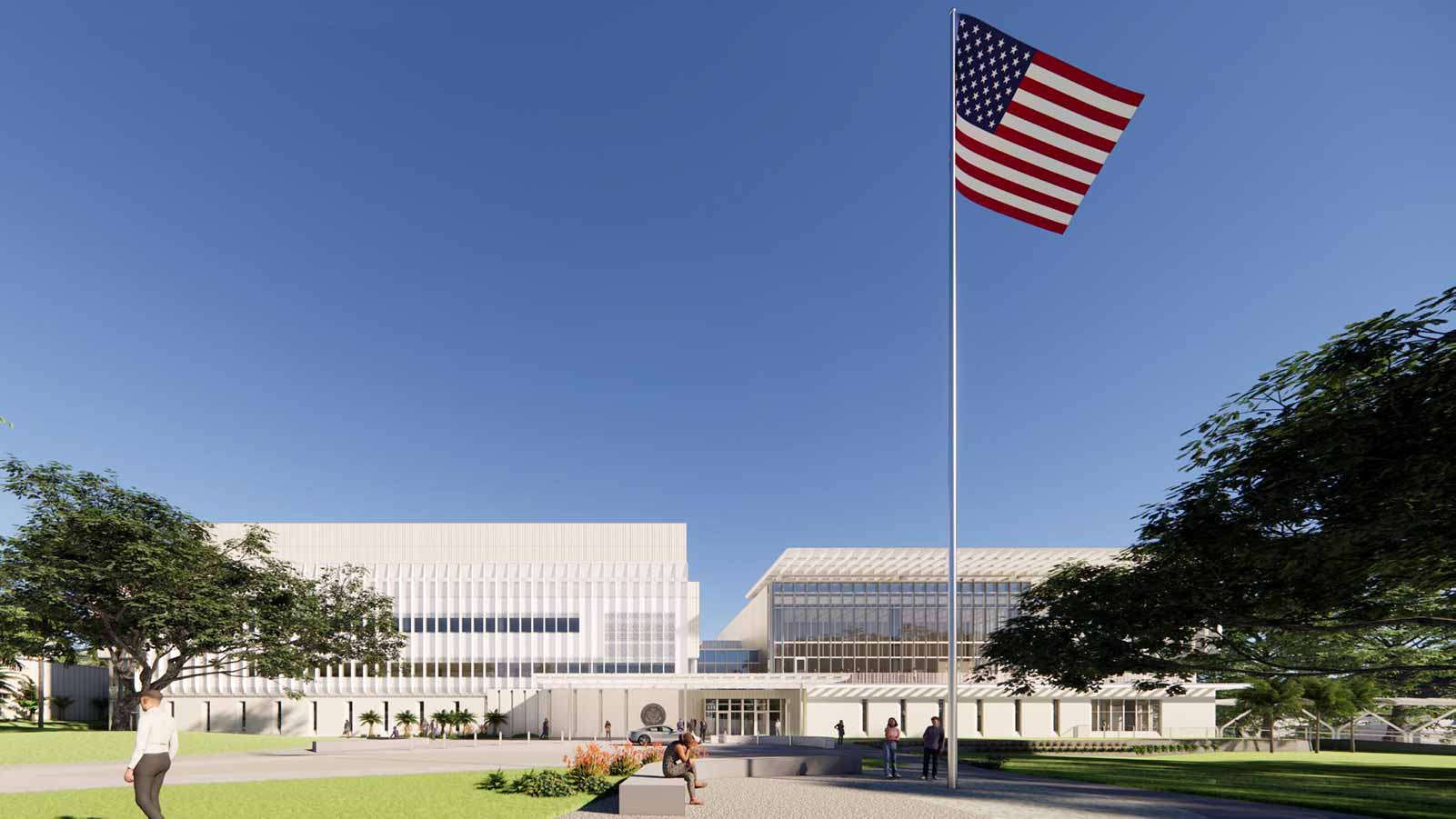
Attorney General John Jeremie, meanwhile, brushed off questions about any connection between the alert and the ‘No Kings’ protests in the United States, responding simply, “No.” At the U.S. Embassy construction site in Maraval, workers were sent home “until further notice,” according to Guardian Media. The message was clear—precaution trumped routine.
Military Preparedness and Regional Fallout
As the situation in Venezuela threatens to spill over, Trinidad and Tobago’s Defense Force has shifted gears. Sources say personnel are preparing to transition from civil aid operations to defensive and border-security roles by year’s end, anticipating possible refugee flows if the conflict worsens. The proximity of Venezuela—just miles from Trinidad—adds urgency to these preparations.
The Trump administration has defended its military actions, arguing that alleged drug traffickers are ‘unlawful combatants’ subject to force. However, human rights groups have condemned the strikes as extrajudicial killings, raising questions about the broader implications for regional stability (Economic Times).
Locals, meanwhile, are left to grapple with the uncertainty. Diwali celebrations continue, but the specter of conflict and the embassy’s warning cast a long shadow. For many, the question is no longer if the situation will escalate, but when—and how it will affect everyday life.
Community Response and Looking Ahead
In coastal communities mourning the disappearance of their fishermen, grief has mingled with fear. Residents are wary, watching the horizon for signs of further trouble. Across Trinidad and Tobago, conversations are dominated by speculation—will refugee flows materialize? Is more violence imminent?
The embassy’s message to Americans is clear: stay vigilant, avoid government sites, and prioritize personal safety. For the rest of Trinidad and Tobago, official reassurances do little to dispel a growing sense of vulnerability.
As the holiday weekend unfolds, the situation remains fluid. The government’s muted response and the absence of concrete information have left citizens to rely on their own judgment. The coming weeks will test both the resilience of Trinidad’s communities and the capacity of its leaders to provide stability in uncertain times.
The U.S. Embassy’s alert has exposed deep anxieties in Trinidad and Tobago, highlighting the ripple effects of international conflict on local communities. With regional tensions at a boiling point and leadership under scrutiny, the country’s ability to maintain calm and transparency will be crucial as events unfold.