
Quick Read
- The U.S. government shutdown stems from a standoff over budget resolutions.
- Key issues include ACA subsidies and funding federal operations.
- Federal employees face furloughs and disrupted paychecks.
- Essential services continue under strained conditions.
- Negotiations remain deadlocked as partisan tensions escalate.
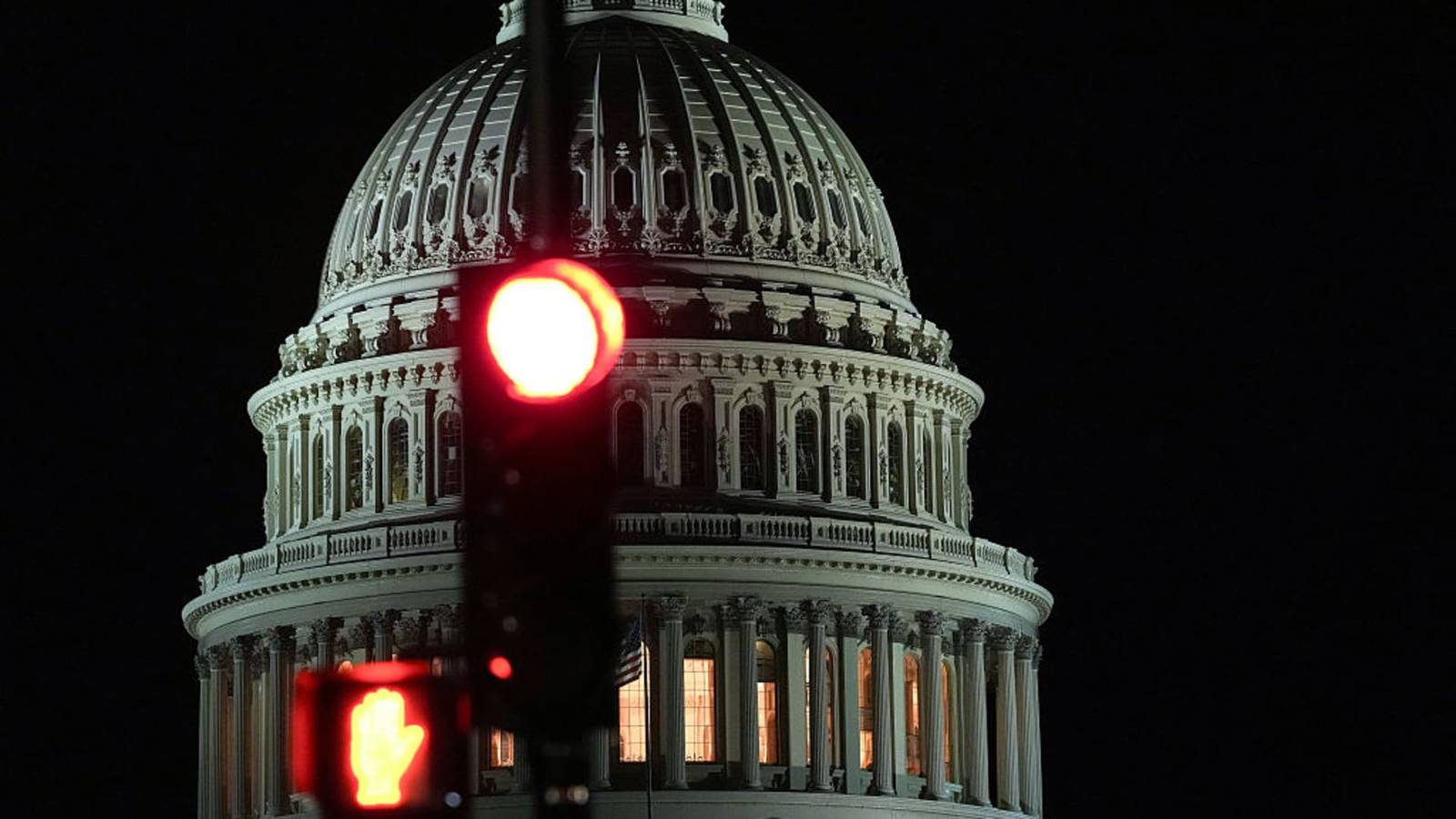
The United States government shutdown has become a defining moment of political and economic tension, as it enters an unprecedented duration due to deep divisions in Congress. This shutdown reflects the complexities of governance and the challenges of bipartisan cooperation, with far-reaching consequences for federal employees, public services, and the nation as a whole.
Understanding the Roots of the Shutdown
The core of the current government shutdown lies in a standoff between Republican and Democratic lawmakers over funding resolutions. The U.S. Senate has repeatedly failed to pass a Continuing Resolution (CR) to keep the government operational. While a Republican-backed CR, supported by a small number of Democrats, proposed temporary funding until November 21, it fell short of the 60-vote threshold needed to overcome a filibuster. This deadlock highlights the entrenched political divisions that have hindered compromise.
Democrats, led by Senate Minority Leader Chuck Schumer, have pushed for a CR that includes permanent extensions of tax credits under the Affordable Care Act (ACA). These credits, initially introduced during the COVID-19 pandemic, are set to expire by the end of the year, threatening to increase health insurance premiums for many Americans. Republicans, while open to negotiations on ACA subsidies, insist that discussions must occur after reopening the government.
The Human and Economic Impact
The ongoing shutdown has left thousands of federal workers furloughed or working without pay. Essential personnel, including military staff, law enforcement, and air traffic controllers, continue their duties under uncertain financial conditions. Despite bipartisan support for the Shutdown Fairness Act, which aimed to provide retroactive pay to these employees, the bill failed to secure enough votes for passage.
Beyond the immediate workforce, the shutdown has disrupted critical programs like the Supplemental Nutrition Assistance Program (SNAP), leaving vulnerable families at risk. Delays in SNAP benefits have placed additional strain on food banks and local communities, with state governments scrambling to provide temporary relief.
Political Strategies and Blame Game
The shutdown has intensified partisan rhetoric, with each side blaming the other for the impasse. Republican leaders accuse Democrats of leveraging the shutdown for political gain ahead of the midterm elections, while Democrats argue that Republicans are prioritizing partisan interests over the welfare of the nation. President Donald Trump’s firm stance on reopening the government before engaging in negotiations has further polarized the debate.
Despite the political gridlock, some lawmakers have expressed willingness to find common ground. However, the lack of trust between the parties has stalled progress, leaving millions of Americans caught in the crossfire of political maneuvering.
Looking Ahead: Possible Resolutions
As the shutdown continues, the path to resolution remains uncertain. Both parties face mounting pressure from constituents and interest groups to break the stalemate. Possible solutions include a short-term CR to reopen the government while negotiations proceed or a comprehensive agreement addressing both funding and policy concerns.
The long-term implications of this shutdown extend beyond immediate disruptions. It underscores the need for reforms to prevent future impasses and ensure the smooth functioning of government operations, even amid political disagreements.
The U.S. government shutdown serves as a stark reminder of the challenges of governance in a polarized political landscape. Its resolution will require not only compromise but also a commitment to prioritizing the needs of the nation above partisan interests.