
Quick Read
- U.S. and Iranian delegations failed to reach a peace agreement after 21 hours of intensive negotiations in Islamabad.
- The primary sticking points include Iran’s nuclear program and U.S. demands for maritime security in the Strait of Hormuz.
- Despite the impasse, Pakistan continues to mediate as the region faces ongoing military escalation.
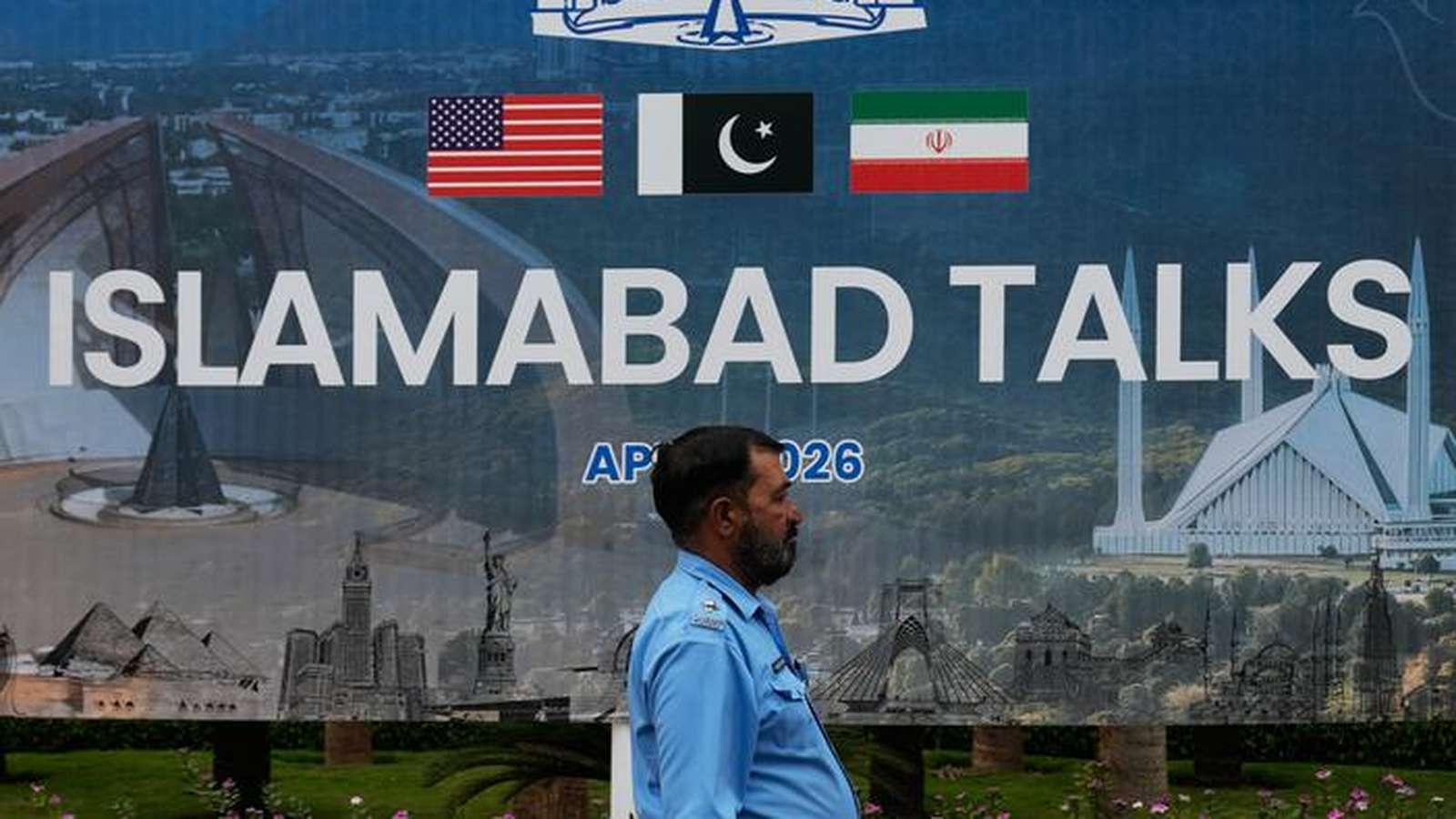
ISLAMABAD (Azat TV) – High-stakes peace negotiations between the United States and Iran concluded in the Pakistani capital on April 11, 2026, without a breakthrough. The 21-hour marathon session, mediated by Pakistan, failed to produce a ceasefire or a maritime security agreement, leaving the six-week-old conflict unresolved and global energy markets in a state of continued uncertainty.
Sticking Points in the U.S.-Iran Negotiations
U.S. Vice President JD Vance, who led the American delegation, announced the impasse shortly after the talks ended. He stated that Iran had declined the U.S. proposal, which Washington characterized as its “best and final offer.” According to Vance, the primary hurdle remains Tehran’s nuclear ambitions. The United States is demanding an affirmative commitment that Iran will not seek nuclear weapons or the tools necessary to develop them, a condition the Iranian side has resisted.
Conversely, the Iranian delegation, led by Parliament Speaker Mohammad Bagher Ghalibaf, arrived with a 10-point plan. Tehran’s demands included the release of $6 billion in frozen assets, the right to regulate traffic through the strategic Strait of Hormuz, and a comprehensive regional ceasefire that encompasses the ongoing hostilities in Lebanon. While Pakistan had been optimistic about the potential for a breakthrough, the deep-seated mistrust between Washington and Tehran proved too significant to overcome in a single session.
The Strategic Impact on the Strait of Hormuz
The failure to reach an agreement has immediate implications for the Strait of Hormuz, a critical artery for global oil and gas exports. As the talks in Islamabad reached their conclusion, U.S. Navy destroyers were reported passing through the waterway for the first time since the conflict began on February 28. U.S. Central Command (CENTCOM) confirmed it has initiated efforts to clear Iranian sea mines, aiming to restore a safe passage for commercial shipping.
The economic stakes remain exceptionally high. With Iran maintaining a de facto chokehold on the strait, significant portions of the world’s energy supply remain constrained. Regional actors, including Saudi Arabia and Kuwait, have faced severe production disruptions, further amplifying the pressure on international mediators to secure a durable peace.
Diplomatic Path Forward Amid Regional Escalation
Despite the lack of a formal agreement, both sides signaled a willingness to maintain communication channels. Pakistan’s Foreign Minister Ishaq Dar expressed gratitude to both delegations for their participation and urged them to continue working toward a peaceful resolution. Iranian officials noted that they never expected a comprehensive deal to be finalized in a single meeting, suggesting that further contacts through regional intermediaries are likely.
However, the diplomatic window faces a challenging environment on the ground. Israeli military operations in Lebanon persist, and rhetoric from Prime Minister Benjamin Netanyahu indicates that Israel intends to continue its campaign against Iranian-backed groups. This lack of coordination between the U.S. diplomatic track and the ongoing military operations in the Levant continues to complicate the prospect of a lasting regional ceasefire.
The failure of the Islamabad talks underscores that the conflict has evolved into a multi-front crisis where nuclear non-proliferation, maritime sovereignty, and regional proxy wars are now inextricably linked, making a singular, comprehensive deal increasingly difficult to achieve without significant concessions on both sides.