
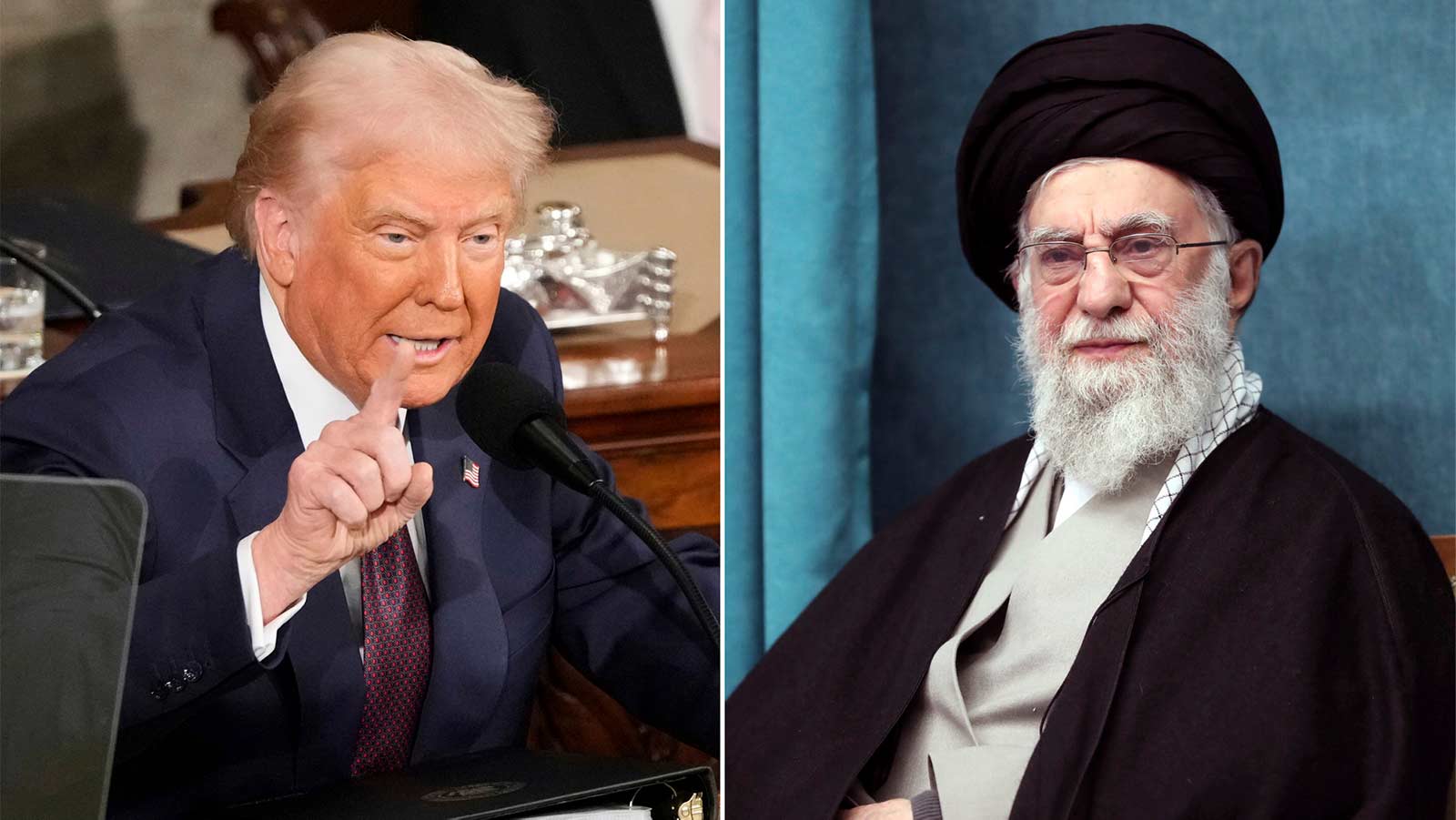
- US and Iran to hold high-level talks in Oman on Saturday.
- President Trump claims talks will be direct; Iran insists they will be indirect.
- Discussions center on Iran’s nuclear program and potential diplomatic resolutions.
- Iran demands respect and an end to military threats for progress.
- Oman will mediate the talks, continuing its role as a neutral facilitator.
US-Iran Talks in Oman: Conflicting Claims on Negotiation Format
The United States and Iran are set to engage in high-level discussions in Oman this Saturday, with the focus on Iran’s nuclear program and potential diplomatic resolutions. However, conflicting statements from both sides have raised questions about the nature of these talks, with the US claiming they will be direct, while Iran insists they will remain indirect.
Trump’s Announcement of Direct Talks
On Monday, US President Donald Trump announced that the upcoming discussions with Iran would be direct. Speaking from the Oval Office alongside Israeli Prime Minister Benjamin Netanyahu, Trump emphasized the importance of the talks, stating, “We’re having direct talks with Iran, and they’ve started. It’ll go on Saturday. We have a very big meeting, and we’ll see what can happen.” He also added, “Iran cannot have a nuclear weapon, and if the talks aren’t successful, I actually think it’ll be a very bad day for Iran.”
Trump’s remarks suggest a significant shift in US-Iran relations, as direct negotiations between the two nations have been rare, especially since the US withdrew from the 2015 Joint Comprehensive Plan of Action (JCPOA) in 2018. The president expressed hope for a diplomatic resolution, while also warning of potential consequences if the talks fail.
Iran’s Stance: Indirect Negotiations Only
In contrast, Iranian officials have consistently maintained that the talks will be indirect. Iranian Foreign Minister Abbas Araghchi confirmed the meeting in Oman but clarified that it would involve “indirect high-level talks.” Speaking to the Islamic Republic News Agency (IRNA), Araghchi stated, “Indirect negotiations can guarantee a genuine and effective dialogue.” He also emphasized that Iran would not accept coercion or military threats, adding, “We believe in negotiations, but they must be conducted with respect.”
Iranian government spokesperson Fatemeh Mohajerani echoed this sentiment, stating, “As a negotiator party with an equal perspective toward the talks, what matters to us is focusing on our national interests.” She also noted that the details of the discussions would emerge during the negotiations.
Oman’s Role as Mediator
Oman has been chosen as the venue for these talks, continuing its tradition of serving as a neutral mediator in US-Iran relations. Omani Foreign Minister Badr al-Busaidi is expected to facilitate the discussions, which will involve representatives from both nations. According to reports, Trump’s Middle East envoy Steve Witkoff will lead the US delegation, while Araghchi will head the Iranian team.
The choice of Oman underscores its strategic role in fostering dialogue between Washington and Tehran, particularly given the absence of formal diplomatic ties between the two countries.
Key Issues on the Table
The primary focus of the talks will be Iran’s nuclear program, which has been a contentious issue for years. The US seeks to prevent Iran from acquiring nuclear weapons, while Iran insists its nuclear activities are entirely peaceful. In recent years, Iran has breached several restrictions imposed by the JCPOA, citing the reinstatement of crippling US sanctions as justification.
Iranian officials have also highlighted other critical issues, including the need for the US to lift sanctions and demonstrate goodwill. “The ball is now in America’s court,” Araghchi remarked, suggesting that progress in the talks would depend on the US adopting a more respectful and cooperative approach.
International Reactions and Implications
The announcement of the talks has drawn mixed reactions from the international community. Russia has expressed support for the discussions, viewing them as an opportunity to de-escalate tensions in the region. Kremlin spokesperson Dmitry Peskov stated, “We know that certain contacts, direct and indirect, are planned in Oman.” Meanwhile, Israeli Prime Minister Netanyahu reiterated his stance that Iran must never acquire nuclear weapons, emphasizing the importance of a diplomatic solution.
The stakes are high, as the outcome of these talks could significantly impact regional stability and global security. Analysts have warned that failure to reach an agreement could escalate tensions, potentially leading to military conflict.
As the US and Iran prepare for their meeting in Oman, the conflicting narratives surrounding the format of the talks underscore the challenges of achieving meaningful dialogue. While the US emphasizes direct engagement, Iran remains firm on its preference for indirect negotiations, citing concerns over respect and coercion. The world will be closely watching the outcome of these discussions, which could mark a pivotal moment in US-Iran relations and the broader Middle East landscape. Regardless of the format, the talks represent a critical opportunity to address longstanding issues and pave the way for a more stable and peaceful future.
Sources: ABC News, Reuters, BBC News