
Quick Read
- Iran reopened its airspace after a five-hour closure, initially imposed due to military action concerns.
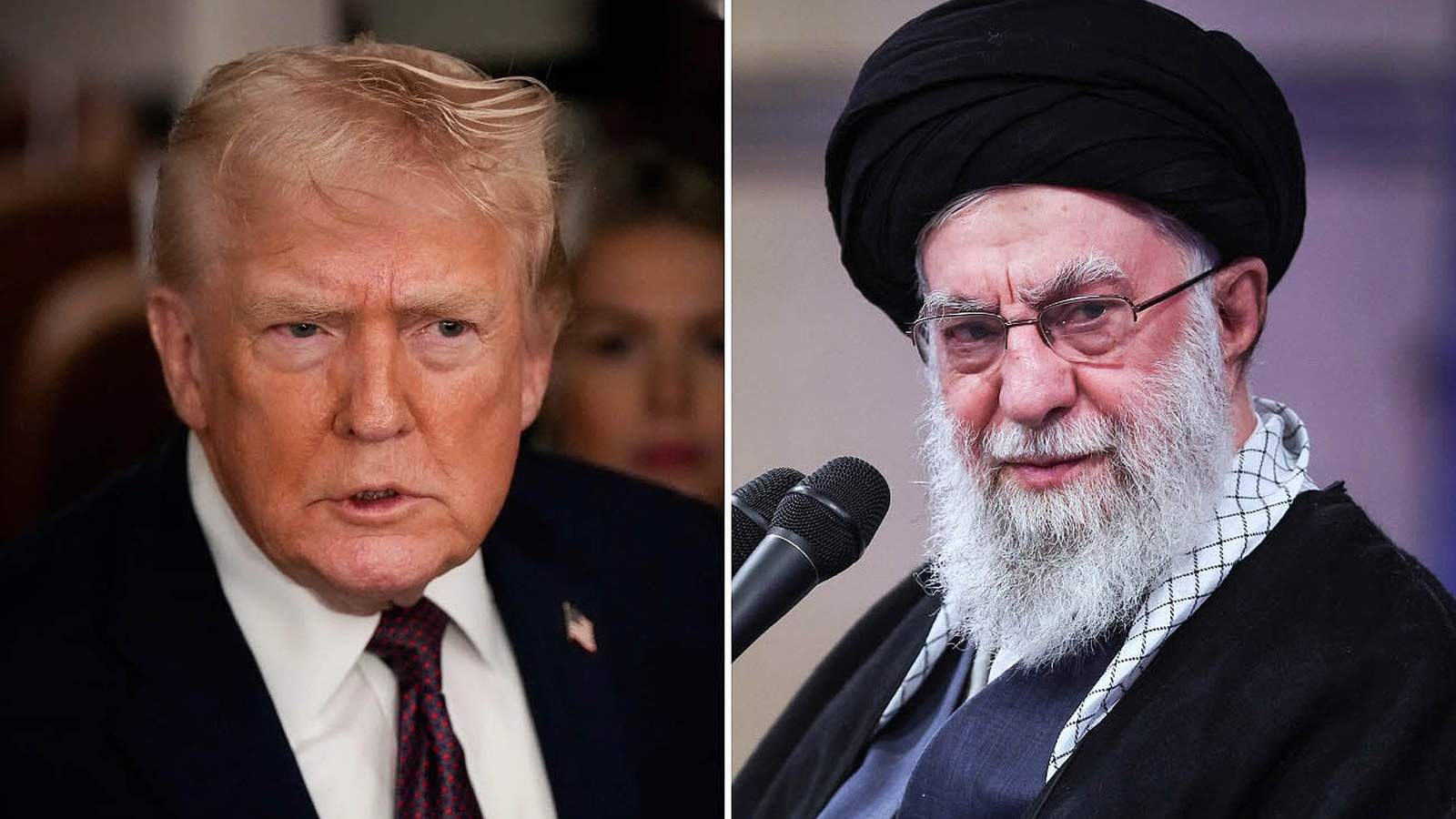
- US President Trump expressed doubts about Reza Pahlavi’s support to lead Iran and stated he received assurances that killings of protesters had stopped.
- France is exploring sending Eutelsat satellite terminals to Iran to help restore internet access amid an ongoing nationwide blackout.
- A US-based NGO reported at least 2,400 protesters killed, while Amnesty International cited ‘mass unlawful killings on an unprecedented scale’.
- Qatar confirmed the removal of some personnel from the Al Udeid airbase, citing ‘current regional tensions’.
The geopolitical landscape surrounding the United States and Iran remains fraught with tension in early 2026, as widespread protests grip the Islamic Republic and international scrutiny intensifies. Reports of a significant death toll among demonstrators, coupled with a nationwide internet blackout, have drawn sharp condemnation and calls for action from global powers, while the specter of military confrontation, though deemed unlikely by some analysts, continues to loom.
The current unrest in Iran, which began with economic grievances in late December 2025, quickly escalated into broader anti-government demonstrations across the country. What started with shopkeepers protesting a plunging currency soon saw citizens taking to the streets, demanding fundamental changes. Iranian authorities responded with force, imposing a nationwide internet blackout on January 8, 2026, a move that has now lasted nearly a week and severely hampered communication and information flow. Cybersecurity watchdog NetBlocks noted that this information vacuum has led to the amplification of pro-regime accounts and potentially AI-generated disinformation.
Mounting Casualties and International Outcry
The human cost of the crackdown has become a central point of international concern. While Iranian state television acknowledged a high death toll, official figures remain elusive. Opposition activists and US-based NGOs, however, paint a far grimmer picture, with one US-based rights group reporting at least 2,400 protesters killed since the start of the crackdown. Amnesty International has gone further, stating it has reviewed evidence showing “mass unlawful killings committed on an unprecedented scale” against mostly peaceful protesters and bystanders. These figures stand in stark contrast to the Iranian authorities’ claim of over 100 security forces members killed, and their consistent characterization of protesters as “rioters” influenced by foreign powers.
International bodies and nations have reacted with alarm. G7 foreign ministers expressed deep concern over the reported deaths and injuries, threatening further sanctions if the Iranian government continues its crackdown. Multiple nations, including India, Spain, and the UK, have urged their citizens to leave Iran, citing heightened tensions and the volatile security situation.
US Stance and Diplomatic Maneuvers
US President Donald Trump has been vocal throughout the crisis, issuing stark warnings to Iran. Early in the protests, Trump cautioned that the US was “locked and loaded” if protesters were killed and later told Iranians to take over government institutions. However, more recently, he stated he had received assurances that killings of protesters in Iran had stopped and that planned executions of detained demonstrators would not go ahead. This assertion was echoed, in part, by Iran’s Foreign Minister Abbas Araghchi, who denied any plans to execute anti-government protesters, stating, “hanging is out of the question.”
Beyond the immediate crisis, Trump also weighed in on the future of Iran’s leadership, expressing doubts about the viability of Reza Pahlavi, the US-based eldest son of the late shah, as a potential leader should the current ruling system fall. “He seems very nice, but I don’t know how he’d play within his own country,” Trump remarked, highlighting the complexities of external support for opposition figures.
The US has also been observed making subtle strategic adjustments in the region. Qatar confirmed the removal of some personnel from the Al Udeid airbase near Doha, a move attributed to ‘current regional tensions.’ This withdrawal, while limited, signals a cautious approach amid the escalating rhetoric.
The Digital Iron Curtain and Connectivity Efforts
The internet blackout has not only stifled dissent but also isolated Iran from the global information network. In response, France is exploring options to help restore internet access, with Foreign Minister Jean-Noel Barrot telling lawmakers that the government was ‘exploring all options,’ including the use of Eutelsat satellite terminals. Eutelsat, a Paris-based satellite operator, possesses low Earth orbit satellites capable of delivering internet service from space, potentially offering a lifeline to Iranians cut off from the world. This initiative emerges as a critical counter-measure to the communication blockade, which has been described by *CNN* as creating an ‘online information vacuum.’
Meanwhile, the fear of military escalation remains a constant undercurrent. Iran’s Defence Minister Aziz Nasirzadeh declared the country ready to defend itself “with full force” if attacked, while Iran’s parliament speaker warned that Israel and the US would be legitimate targets if Iran were to be attacked. Despite these threats, military analysts like David Des Roches of the Thayer Marshall Institute suggest that a major offensive operation against Iran is unlikely at present. Roches told *Al Jazeera* that while many US bases exist in the region, they currently lack the assets needed for a large-scale attack. He conceded that a ‘limited missile attack’ involving around 100 missiles would be possible but emphasized its limited scope, noting the absence of aircraft carriers or strike aircraft movement towards the region.
In a symbolic move reflecting a slight de-escalation of immediate military concerns, Iran reopened its airspace after a nearly five-hour closure. The restriction, imposed amid fears of possible military action, had disrupted flights across the region but was lifted shortly before 03:00 GMT on Thursday, January 15, 2026, according to flight-tracking services.
The ongoing crisis in Iran underscores a precarious balance between internal dissent, governmental repression, and international pressure. While the immediate threat of a large-scale military confrontation appears to have receded for now, the profound human rights concerns, coupled with the regime’s determined efforts to control information, ensure that the situation remains highly volatile, with long-term implications for regional stability and human freedom.