
Quick Read
- The US Mint pressed its final pennies on November 12, 2025, ending 230 years of production.
- Each penny cost nearly 4 cents to make, prompting President Trump to order their discontinuation.
- Billions of pennies remain in circulation and are still legal tender, but no new ones will be produced.
- Retailers adapted by rounding prices or offering prizes for pennies; banks began rationing supplies.
- The last pennies will be auctioned, and the move is expected to save taxpayers $56 million annually.
Pennies Pressed for the Last Time: A Historic Farewell at the US Mint
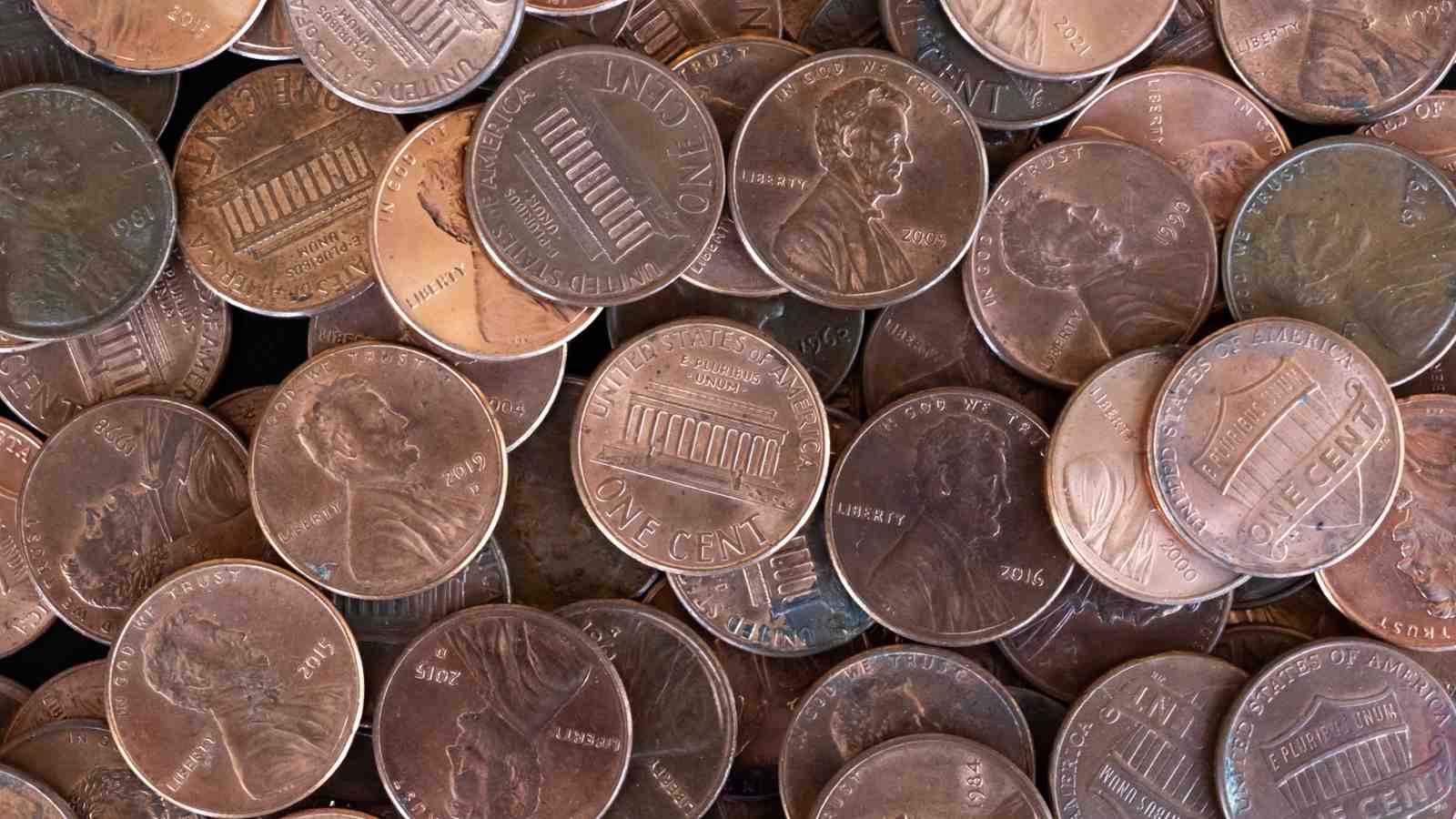
On November 12, 2025, an era quietly came to a close inside the Philadelphia Mint. U.S. Treasurer Brandon Beach stood before a crowd of reporters and factory workers, holding one of the final pennies ever pressed in America. With the push of a button, the last batch of 1-cent coins was struck, their familiar copper sheen catching the light for the final time. The coins—symbols of thrift and the backbone of countless childhood piggy banks—were carefully placed on a tray, awaiting their fate at auction.
“God bless America, and we’re going to save the taxpayers $56 million,” Beach declared, underscoring the fiscal motivations driving this decision. While the moment was met with applause and a sense of solemnity among Mint employees, it also signaled the end of a tradition stretching back to 1793, when a penny could buy a biscuit, a candle, or a piece of candy.
Why Was the Penny Discontinued?
The penny’s demise was not sudden, but the final decision came swiftly after decades of debate. The costs had become unsustainable: each penny cost nearly 4 cents to produce, mainly due to the rising prices of zinc and copper. According to Rocket City Now, the U.S. Mint lost $85.3 million in the 2024 Fiscal Year on penny production alone, making the coin a drain on federal resources.
President Donald Trump, who ordered the end of the penny earlier this year, did not mince words. “For far too long the United States has minted pennies which literally cost us more than 2 cents,” he wrote on Truth Social. “This is so wasteful!” The final blow was delivered via the Common Cents Act, which directed the Treasury to cease penny production within a year of its passage. The last time a U.S. coin was discontinued was the half-cent in 1857, according to Reuters.
Despite the penny’s sentimental value, its practical utility had faded in the digital age. Today, billions remain in circulation, but they are rarely essential for transactions. Most end up forgotten in jars, drawers, or as lucky keepsakes.
Retailers, Banks, and the Public: Navigating a Penny-Free Economy
The phaseout sent ripples through American retail. Many businesses, caught off guard by the abrupt timeline and lack of government guidance, scrambled to adapt. Some rounded prices down to avoid shortchanging customers, while others pleaded for exact change. The more creative among them offered prizes—like a free drink—in exchange for a pile of pennies.
“We have been advocating abolition of the penny for 30 years. But this is not the way we wanted it to go,” said Jeff Lenard of the National Association of Convenience Stores, reflecting the mixed emotions among retailers. Banks, meanwhile, paradoxically began rationing their remaining penny supplies in response to what many saw as a glut of coins.
For the moment, pennies remain legal tender, and billions will linger in circulation for years to come. But the days of receiving a handful of copper coins as change after a purchase are over.
The Cultural and Historical Legacy of the Penny
Beyond economics, the penny’s retirement is a cultural milestone. For more than two centuries, these coins have carried the faces of presidents, mottoes, and national ideals. Historian Frank Holt notes, “We put mottoes on them and self-identifiers, and we decide—in the case of the United States—which dead persons are most important to us and should be commemorated. They reflect our politics, our religion, our art, our sense of ourselves, our ideals, our aspirations.” (Altoona Mirror)
Even as their monetary value diminished, pennies remained woven into American folklore. Some people see them as lucky, others as a simple pleasure to collect. Their image is etched into the national psyche, from phrases like “a penny for your thoughts” to the everyday experience of finding one on the sidewalk.
Global Perspective: Other Nations and the Path Forward
The U.S. is not alone in saying goodbye to its smallest denomination coin. Canada discontinued its penny in 2012, and other countries have followed suit, citing similar economic pressures. As cash transactions dwindle and digital payments surge, the relevance of small change continues to fade worldwide.
While the penny’s production cost-to-value ratio was better than the nickel (which costs nearly 14 cents to make), it was still unsustainable. The dime, by comparison, costs less than 6 cents to produce, and the quarter nearly 15 cents. The penny’s unique place in history, however, sets it apart from its metallic siblings.
Looking Ahead: What Does the End of the Penny Mean?
For collectors, historians, and everyday Americans, the end of the penny is a moment to reflect on change—literal and metaphorical. The final pennies struck at the Philadelphia Mint will be auctioned, likely fetching more than their face value as relics of a bygone era.
As the economy adapts, retailers and banks will continue to adjust pricing and transaction methods. The absence of the penny may speed up checkouts, reduce the need for exact change, and save taxpayers millions annually. But it also marks the loss of a small, tangible piece of daily life—a coin that once made a difference, no matter how small.
The penny’s end is a pragmatic response to economic realities, yet its retirement underscores how even the smallest symbols can carry vast cultural weight. While cost-cutting drives innovation, the nostalgia and debate sparked by this decision reveal the complex ties between money and meaning in American society.