
Quick Read
- The U.S. Navy struck a drug vessel allegedly linked to Venezuela on September 2, 2025.
- President Trump and Secretary Rubio confirmed the operation targeting narco-terrorist organizations.
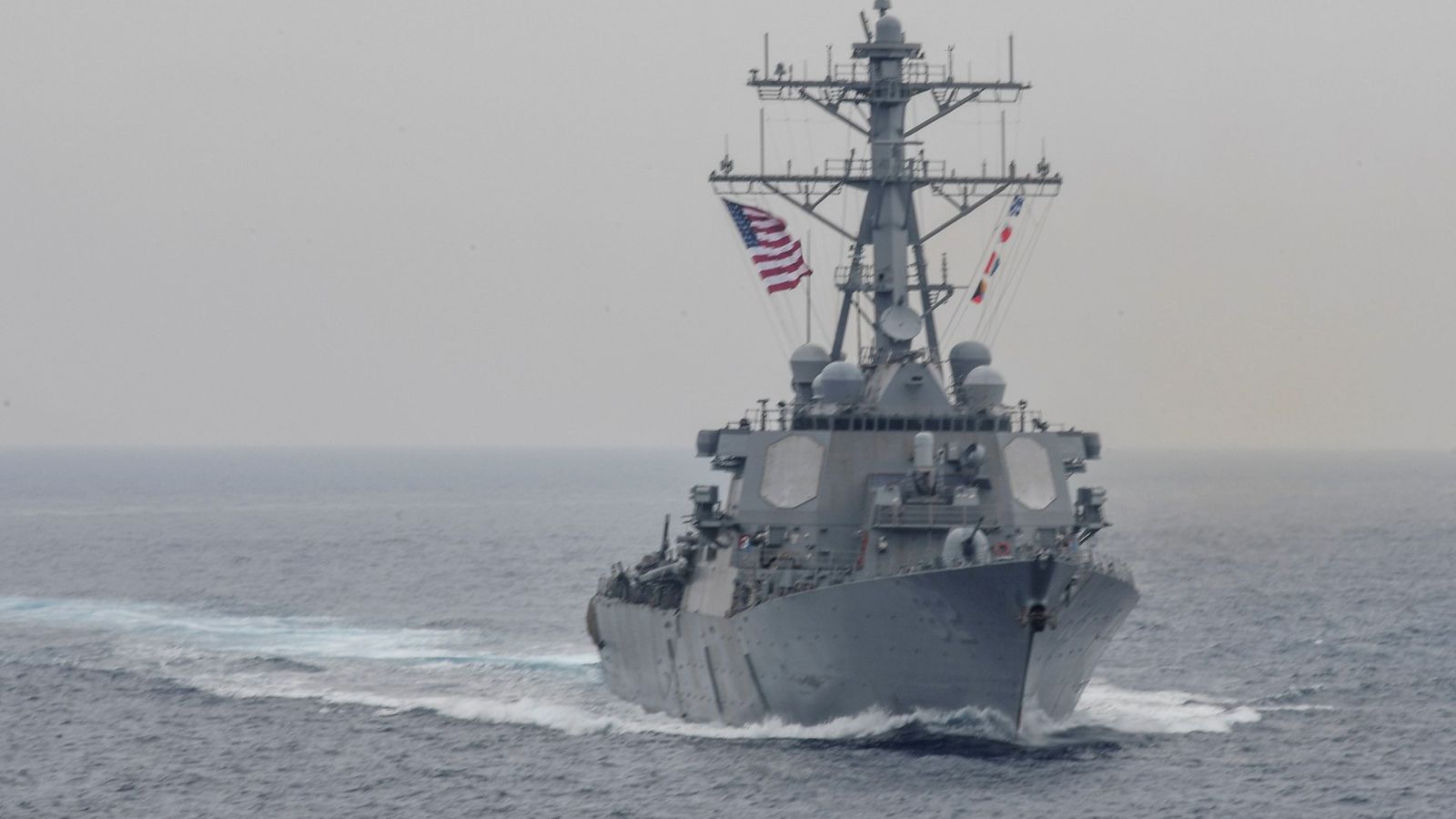
- The U.S. has deployed advanced naval assets in the southern Caribbean as part of an anti-drug mission.
- Venezuelan President Maduro denied allegations and mobilized military forces against potential U.S. aggression.
- The operation underscores escalating tensions between the U.S. and Venezuela over drug trafficking.
The United States Navy executed a precision strike against a vessel allegedly carrying drugs from Venezuela, marking a significant escalation in the ongoing tensions between Washington and Caracas. The operation, conducted in the southern Caribbean, comes as part of a broader U.S. strategy to combat drug cartels that the Trump administration has labeled as narco-terrorist organizations.
Details of the Strike and U.S. Military Deployment
On September 2, 2025, U.S. Secretary of State Marco Rubio confirmed via social media that the U.S. military carried out a “lethal strike” on a drug-carrying vessel that had departed from Venezuela. The Pentagon described the operation as a “precision strike,” though further details about the vessel, its cargo, and casualties remain undisclosed. President Donald Trump also addressed the incident during an Oval Office event, stating, “We just, over the last few minutes, literally shot out a boat, a drug-carrying boat, a lot of drugs in that boat.”
The military operation is part of a broader deployment in the southern Caribbean, which includes seven warships, a nuclear-powered submarine, and P-8 reconnaissance aircraft. The naval force features advanced warships such as the USS Gravely and USS San Antonio, capable of deploying Tomahawk cruise missiles and aerial assets. According to Reuters, this deployment represents an unprecedented buildup in the region, signaling Washington’s intent to intensify its crackdown on drug cartels.
Accusations Against Venezuela and Maduro’s Response
The Trump administration has long accused Venezuelan President Nicolás Maduro of facilitating drug trafficking operations through alliances with criminal organizations such as the Cartel de los Soles and Tren de Aragua. In 2020, Maduro was indicted on narcotics trafficking charges in a U.S. federal court, and in 2025, the reward for his capture was doubled to $50 million. Secretary Rubio reiterated these allegations, linking the targeted vessel to a “designated narco-terrorist organization.”
Venezuela has categorically denied these accusations, with President Maduro labeling them as “extravagant, immoral, and bloody threats” aimed at justifying a potential U.S. military intervention. In response to the naval buildup, Venezuela has mobilized its military and civilian brigades, declaring “maximum preparedness” to repel any foreign aggression. “If Venezuela is attacked, we would declare armed struggle and a Republic in arms,” Maduro stated during a press conference on September 1, as reported by El País.
Strategic Implications and Regional Impact
The strike represents the most significant military action in the region since the Trump administration authorized the use of force against Latin American drug cartels in August 2025. The deployment of U.S. naval assets in international waters near Venezuela underscores Washington’s commitment to combating drug trafficking but also raises concerns about the potential for broader conflict.
Analysts warn that the operation could exacerbate already strained U.S.-Venezuela relations. The presence of advanced warships and reconnaissance aircraft highlights the United States’ technological superiority, but it also provokes fears of escalation. According to Politico, Venezuela has called on its allies to denounce what it describes as “unjustifiable and criminal” actions by the United States.
Regionally, the operation has drawn mixed reactions. Neighboring countries are watching closely, balancing their concerns over drug trafficking with fears of destabilization. The Organization of American States (OAS) has yet to issue a formal statement on the incident, though some member states have previously supported U.S. efforts to combat drug cartels.
The Broader Context: U.S. Policy in Latin America
The Trump administration’s aggressive stance on Latin American drug cartels reflects a broader policy shift. In recent months, the White House has declared several cartels as terrorist organizations, granting the military greater latitude to conduct operations against them. According to CBS News, the administration views drug trafficking as a national security threat, citing the flow of fentanyl and other narcotics into the U.S. as a primary driver of domestic violence and addiction.
Critics argue that these actions risk destabilizing the region and undermining diplomatic efforts to resolve Venezuela’s political and economic crises. They point to the humanitarian toll of U.S. sanctions on Venezuela, which have exacerbated shortages of food, medicine, and other essentials. Nonetheless, the administration insists that its actions are necessary to safeguard American communities from the devastating effects of drug trafficking.
The U.S. strike on the Venezuelan drug vessel is a stark reminder of the high-stakes geopolitical and humanitarian issues at play in the region. As tensions escalate, the world watches closely, hoping for a resolution that prioritizes peace and stability over further conflict.