
Quick Read
- The United States and Russia have agreed to restart high-level military dialogue that had been paused since 2021.
- The move signals a potential easing of security tensions between the two powers.
- Details on dates, formats, and participants were not disclosed.
- The announcement follows recent diplomatic activity between Moscow and Washington.
- Analysts say the initiative could pave the way for discussions on strategic stability, though concrete steps remain uncertain.
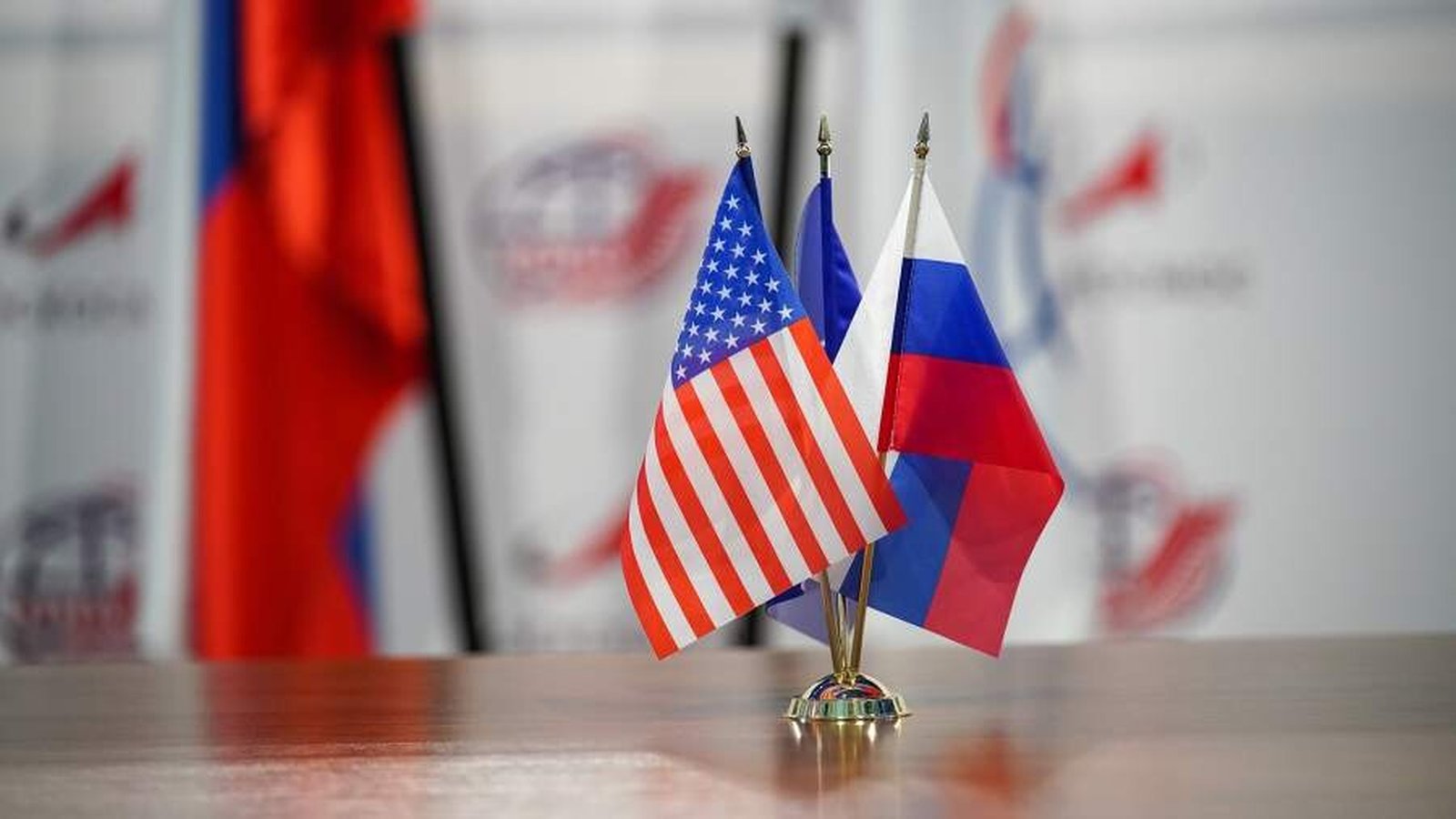
The United States and Russia have agreed to resume a mechanism of high-level military dialogue that had been halted in 2021, according to officials from both sides. The announcement marks a notable shift in the cadence of security diplomacy between Washington and Moscow, coming after a period of limited direct military communication at senior levels.
Details surrounding the decision were sparse in the public briefings that accompanied the statement. Neither side disclosed a timeline, the format of the talks, the likely participants, or the specific topics to be discussed. The absence of a disclosed agenda is not unusual at this stage of diplomatic outreach, but observers will be watching closely for signals about what concrete steps might follow and how quickly any real progress could be achieved.
Historically, high-level military dialogue serves multiple purposes beyond immediate crisis management. It provides a channel for transparency and risk reduction, a framework for discussing strategic stability, and often an avenue to coordinate on incidents that could escalate into larger confrontations. In this case, the resumption of talks could be interpreted as a willingness by both sides to reintroduce structured communication at a time when international security concerns remain acute in various regions.
The pause in such dialogues since 2021 has reflected broader tensions in US-Russia relations, including divergent approaches to regional conflicts, arms control, and strategic posture. While a renewed dialogue does not guarantee a detente or a rapid set of breakthroughs, it does create a channel through which miscalculation or inadvertent escalation—risks that have appeared in moments of heightened friction—can be mitigated through direct, senior-level engagement.
Analysts caution that the true test of this initiative lies in the follow-through. Restoring a formal dialogue is a meaningful first step, but the success of the process will depend on the willingness of both sides to translate discussions into verifiable actions. Experts point to several potential yardsticks, including commitments to crisis communication protocols, transparency measures, and a sustained timetable for negotiations on longer-term security arrangements. However, without concrete public commitments, skepticism remains a natural companion to optimism in such new diplomatic ventures.
Regional and international observers are watching closely. For allied capitals and security partners, resumed dialogue between the two largest nuclear-armed states signals a potential shift in the broader geopolitical landscape. It could influence balance-of-power calculations, deter misinterpretations of motive during volatile events, and create space for coordinated responses to shared challenges—ranging from arms control to nonproliferation and emerging domains of security.
Ultimately, the trajectory of this initiative will hinge on the specifics: whether talks produce an agreed framework for continued engagement, the pace at which any substantive topics are addressed, and the degree to which both sides are prepared to make verifiable concessions. In the absence of such details, the development remains a cautious opening rather than a definitive new phase in US-Russia relations. Still, the decision to reestablish formal channels is a symbol of diplomatic pragmatism in an era where direct dialogue is increasingly valued as a stabilizing tool.
FINAL ANALYSIS: Analytically, the revival of high-level military dialogue between the United States and Russia could represent a modest but meaningful step toward greater strategic stability, offering a platform to reduce miscalculations while acknowledging that durable progress will require careful, verifiable actions from both sides.