
Quick Read
– President Trump appoints special envoy for Greenland.
– Greenland has autonomous status under Denmark since 2009.
– Denmark rejects any notion of selling the territory.
– U.S. emphasizes Greenland’s strategic importance.
– Military intervention remains ambiguous.
The appointment of Jeff Landry as a special envoy for Greenland by President Donald Trump has ignited conversations about the future of the Arctic territory, raising questions of sovereignty, autonomy, and international relations. Landry, who currently serves as the governor of Louisiana, has reassured that his new role will not interfere with his existing responsibilities. However, the implications of this appointment cannot be ignored, especially in light of the ongoing geopolitical interests surrounding Greenland.
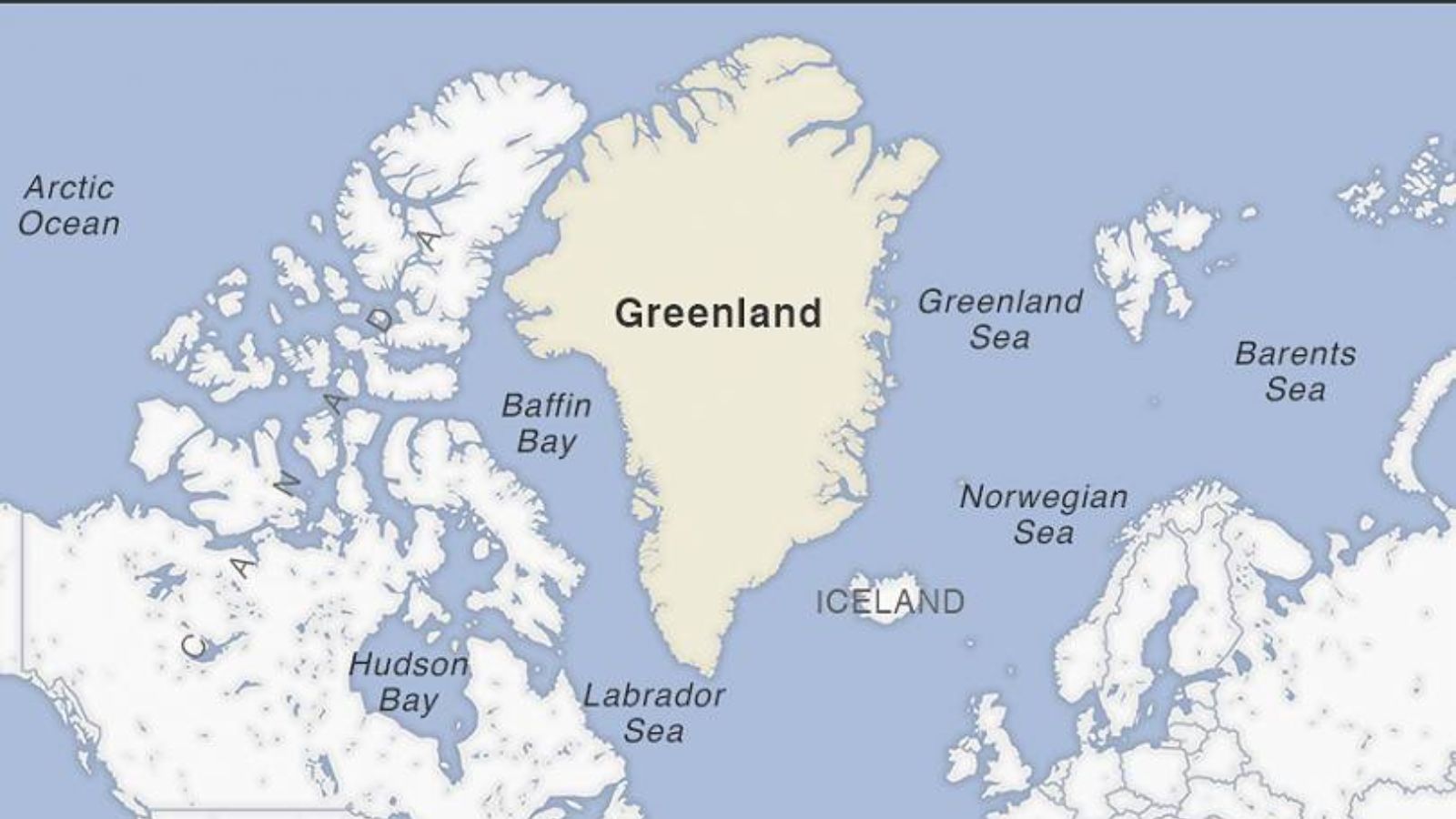
The strategic significance of Greenland has been a focal point for U.S. policymakers for years. The island’s vast natural resources and its crucial location between North America and Europe make it a valuable asset in a rapidly changing global landscape. The U.S. has repeatedly underscored this importance, yet Denmark, Greenland’s sovereign power, has firmly rejected any discussions regarding the sale of the island. Danish officials have reiterated their commitment to maintaining territorial integrity, emphasizing that Greenland is an integral part of the Kingdom of Denmark.
In the backdrop of these developments, President Trump’s administration has adopted a somewhat ambiguous stance regarding potential military involvement. While he has not made explicit promises against using force to assert control over Greenland, the mere suggestion of such tactics raises significant concerns. Greenland has enjoyed a degree of self-governance since 2009, a status that adds complexity to the conversation about its future.
The ongoing negotiations and dialogue surrounding Greenland point to a broader narrative about the evolving geopolitical dynamics in the Arctic. As nations seek to secure their interests in this region, the stakes continue to rise. The U.S. is navigating a delicate balance between asserting its strategic aspirations and respecting the autonomy and rights of Denmark and the people of Greenland.
As we consider the implications of Landry’s appointment and the U.S. stance on Greenland, one must ponder: what does the future hold for this vast Arctic territory? With the backdrop of potential military posturing and diplomatic tension, the narrative surrounding Greenland is not just about land—it’s about identity, autonomy, and international relations.
In assessing the current state of affairs, it becomes evident that the U.S. is not merely pursuing a territorial claim but is engaged in a complex dance of diplomacy and strategy that could redefine relationships in the Arctic. The messages sent today will resonate for years to come, influencing the trajectory of both Greenland and its interactions on the world stage.