
Quick Read
- George Russell topped the first practice session at Suzuka, closely followed by Kimi Antonelli.
- Max Verstappen’s public frustration with the 2026 hybrid regulations has intensified, leading to friction with media.
- The 2026 car regulations remain a point of contention, with drivers split over the balance between energy management and traditional racing.
SUZUKA (Azat TV) – The 2026 Formula 1 season enters its third round this weekend at the historic Suzuka Circuit, but the focus is shifting away from the track and toward the increasingly strained relationship between reigning champion Max Verstappen and the media. Following a turbulent start to the season, Verstappen’s vocal opposition to the sport’s new hybrid engine regulations has intensified, culminating in heightened friction during pre-race media sessions.
Technical Hurdles and Media Friction at Suzuka
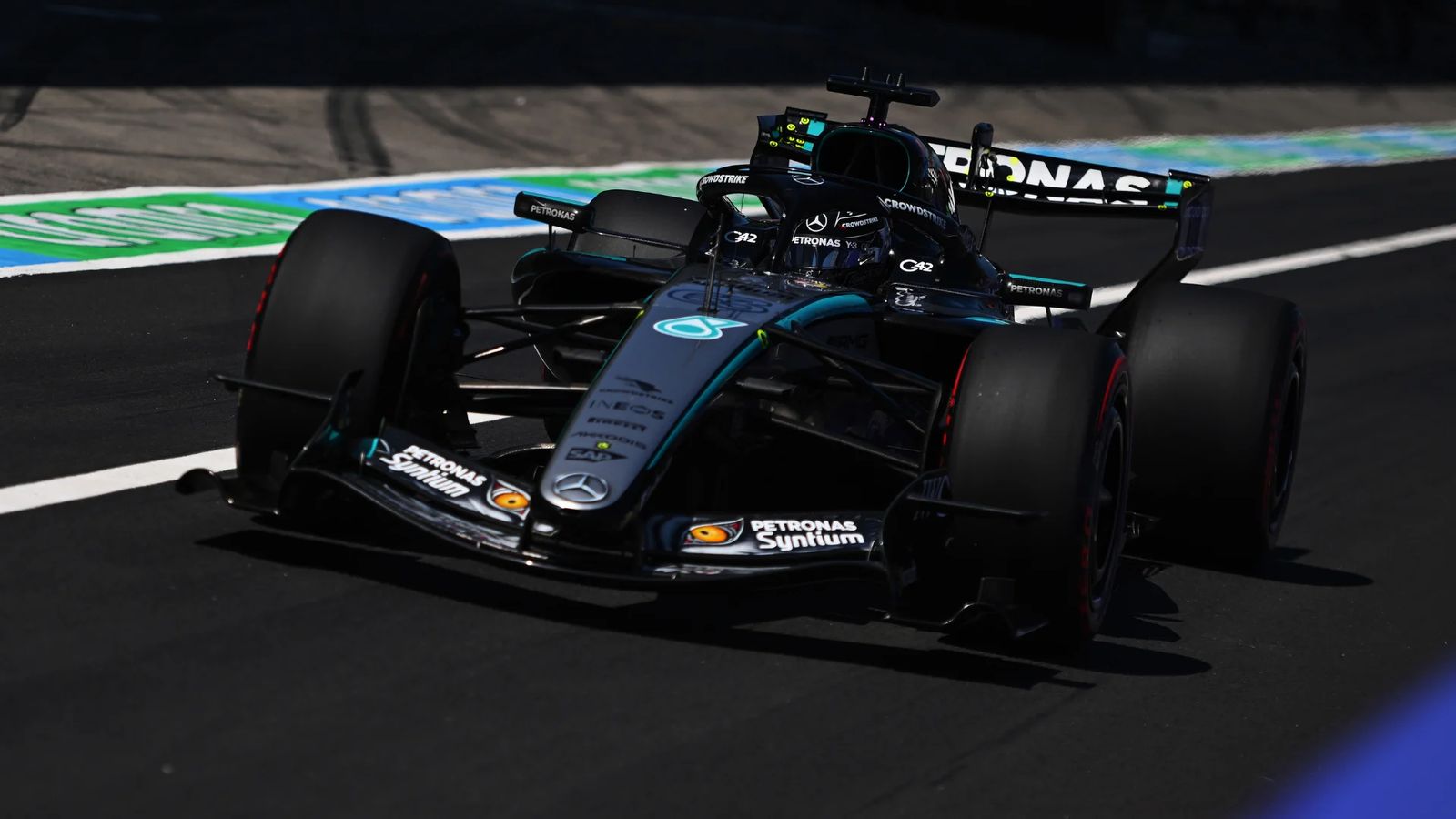
The Suzuka Circuit presents a unique challenge for the 2026 fleet of cars, which feature a 50-50 split between combustion power and battery-driven energy harvesting. During Friday’s opening practice session, George Russell led a Mercedes one-two finish, narrowly edging out teammate Kimi Antonelli by just 0.026 seconds. While teams utilized the session to collect vital data on aero efficiency and power deployment, the narrative off-track remained dominated by Verstappen’s ongoing critique of the current racing product.
Verstappen, who finished seventh in the opening session, has repeatedly labeled the new cars as “Formula E on steroids.” The Dutchman argues that the emphasis on battery management over traditional braking and cornering skill has stripped the sport of its core identity. His frustration has become a central point of tension, as he faces mounting pressure to deliver results in a Red Bull car that has struggled to match the pace of the front-running Mercedes and Ferrari challengers.
The Stakes of the 2026 Regulation Era
The 2026 regulations have created a stark divide within the paddock. While seven-time world champion Lewis Hamilton has praised the new era for producing the best wheel-to-wheel racing of his career, Verstappen remains resolute in his dismissal, describing the tactical “yo-yo” effect of battery deployment as a “joke.” The disparity in these viewpoints underscores the broader uncertainty surrounding the sport’s direction.
For Verstappen, the stakes are twofold: he is competing not only against the clock but against a shifting technical landscape that he feels fundamentally compromises the essence of Formula 1. His public impatience with media scrutiny—highlighted by recent, heated exchanges—reflects a driver who is feeling the weight of a competitive deficit. As teams head into a month-long break following this weekend’s race, the pressure on the FIA to address driver concerns regarding the “fun factor” of the new machines is expected to grow.
The heightened volatility in Verstappen’s public demeanor suggests that his dissatisfaction is no longer confined to technical critiques, but has become a symptomatic reflection of the broader strain between the traditionalist ethos of elite drivers and the evolving, energy-dependent reality of modern Formula 1.