
Quick Read
- Vertical Aerospace will announce its quarterly earnings on December 19, 2025, with analysts expecting an EPS of ($0.23).
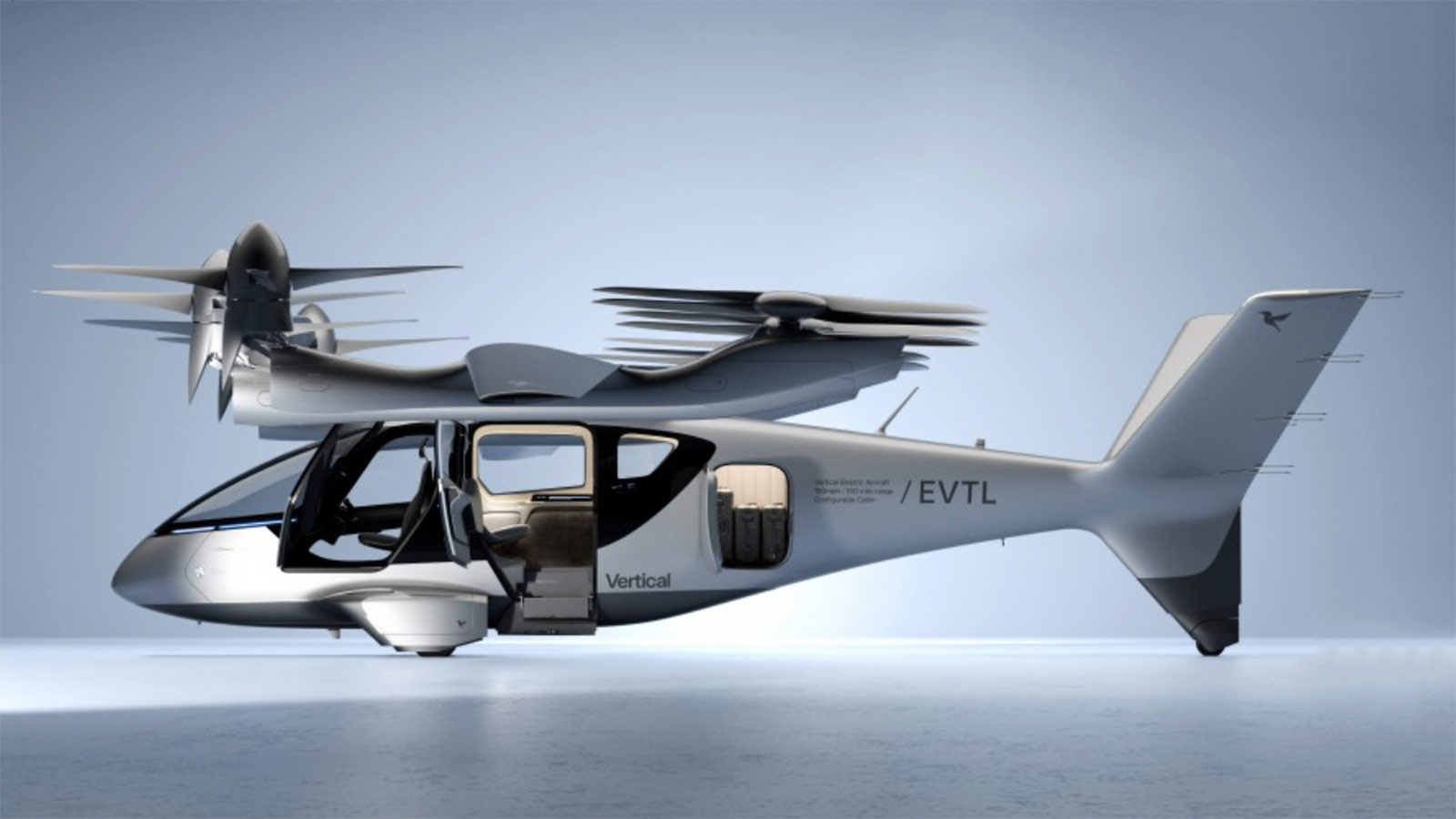
- The company has unveiled Valo, its next-generation eVTOL aircraft, targeting commercial certification and service by 2028.
- Institutional investors have increased their holdings, now owning over 81% of the company’s stock.
- Valo offers 100-mile range, 150 mph speed, zero emissions, and the largest luggage capacity in its class.
- Strategic partnerships and flight testing progress are key focus areas for investors and analysts.
Vertical Aerospace Prepares for Earnings Release Amid Industry Buzz
On Friday, December 19, 2025, Vertical Aerospace (NYSE: EVTL) will reveal its latest quarterly earnings, an event closely watched by investors, analysts, and electric aviation enthusiasts. The UK-based company, founded in Bristol in 2016, is at the forefront of designing and manufacturing electric vertical takeoff and landing (eVTOL) aircraft—machines that promise to revolutionize how people move in and between cities. As the clock ticks down to the earnings call, the company stands at a crossroads of technological promise and financial scrutiny.
Valo eVTOL: From Prototype to Commercial Reality
The spotlight this quarter is firmly on Vertical Aerospace’s new Valo eVTOL, unveiled in December 2025 (Military & Aerospace Electronics). Valo isn’t just an update; it’s a leap forward. Building on lessons from the earlier VX4 prototype and direct feedback from airline customers, Valo features a redesigned aerodynamic airframe, under-floor liquid-cooled battery system, upgraded composite materials, and a new wing and propeller architecture. These changes are more than cosmetic—they’re critical for meeting the demanding safety and certification standards set by regulators like the UK Civil Aviation Authority (CAA) and the European Union Aviation Safety Agency (EASA).
Valo’s technical specs signal serious intent: it’s engineered for a 100-mile range at speeds up to 150 mph, powered by eight electric motors and eight liquid-cooled battery packs, all with zero operating emissions. The platform offers a premium four-seat cabin with panoramic windows, a cockpit divider, and ample luggage space—the largest in its class. Looking forward, the design can scale to six seats, opening doors to broader commercial applications and reduced per-passenger fares. The airframe’s flexibility also supports emergency medical services, cargo operations, and, potentially, defense and autonomous variants.
CEO Stuart Simpson summed up the company’s ambitions: “Valo is the aircraft that turns electric flight into a commercial reality—clean, quiet, fast, and engineered for everyday service. It marks a new dawn in transport, one that will connect people in minutes, not hours.” Seven certification aircraft are set to be built in the UK, with commercial operations eyed for 2028 if regulatory hurdles are cleared (Military & Aerospace Electronics).
Financial Performance: Early-Stage Risks and Investor Confidence
Vertical Aerospace remains in the thick of its development phase, reflected in its financials. Analysts expect a negative earnings per share (EPS) of approximately ($0.23) for the quarter, a trend typical for aerospace startups investing heavily in research, certification, and scaling operations (MarketBeat, Meyka). The most recent quarterly report showed a loss of ($0.32) per share, missing consensus estimates, and forecasts suggest continued losses for the current and next fiscal years.
Despite red ink on the profit line, investor activity tells a more nuanced story. Institutional investors and hedge funds—such as Millennium Management LLC, Marshall Wace LLP, and UBS Group AG—have significantly increased their holdings in Vertical Aerospace over the past quarter, with overall institutional ownership now at 81.17% (MarketBeat). Trading volume surged 112% ahead of the earnings release, signaling heightened market interest. The company’s market cap stands at $601 million, with a stock price fluctuating between $2.76 and $15.99 over the past year.
Financially, Vertical Aerospace reports cash reserves of $123.4 million, with plans to spend $235 million on development, certification, and operational ramp-up. The company isn’t profitable yet, but that’s par for the course in advanced aerospace, where the focus is on technological milestones and regulatory progress rather than immediate returns.
Strategic Partnerships and Industry Positioning
Vertical Aerospace is not going it alone. Partnerships with industry heavyweights like Honeywell, Syensqo, and Aciturri are driving progress on system supply and certification. Collaborations with Skyports and Bristow aim to build an electric air taxi network, slashing travel times between airports and city centers—routes where eVTOLs could really shine.
The competitive landscape is heating up. Rivals such as Joby Aviation and Archer Aviation are making strides in technology and certification, all vying to shape the future of urban air mobility. The race isn’t just about who gets to market first; it’s about who can deliver safety, reliability, and scale. For Vertical Aerospace, the launch of Valo and its progress toward regulatory approval are key differentiators.
What to Watch in This Earnings Call
For investors and industry observers, the earnings release is more than a financial update—it’s a pulse check on the company’s journey. Key areas to monitor include:
- Flight Testing Milestones: Has the company hit critical transition flight phases, and what’s next for certification?
- Regulatory Progress: Are there new updates from the CAA or EASA?
- Cash Reserves and Spending Guidance: Is the burn rate sustainable given the current cash position?
- Valo Orders and Partnerships: Are there new pre-orders or collaborations that strengthen the business case?
Positive developments in these areas could buoy stock sentiment, while setbacks or vague guidance might trigger caution among investors. Ultimately, the long-term value proposition for Vertical Aerospace hinges on executing its technology roadmap and scaling operations, not just short-term profitability.
The Road Ahead: Urban Air Mobility Takes Shape
As the world watches the evolution of urban air mobility, Vertical Aerospace stands out as a company making tangible progress—from the drawing board to flight tests and now to the threshold of commercial reality. Its Valo eVTOL represents a new chapter, one where clean, efficient, and rapid air transport could become part of everyday life. The upcoming earnings report will shed light on how quickly that future might arrive, and whether Vertical Aerospace can maintain its momentum in a fast-moving, high-stakes industry.
Assessment: Vertical Aerospace’s 2025 trajectory reflects the classic tension in breakthrough industries—heavy upfront investment, negative earnings, but rapid technical progress and deepening investor commitment. With Valo’s launch and robust partnerships, the company is well positioned to shape the future of urban flight, provided it continues to meet certification goals and manages its resources wisely. The next twelve months will be critical in proving whether its technological promise can translate into commercial success.