
Quick Read
- Victoria has introduced free public transport through April to help residents manage rising fuel prices caused by global supply disruptions.
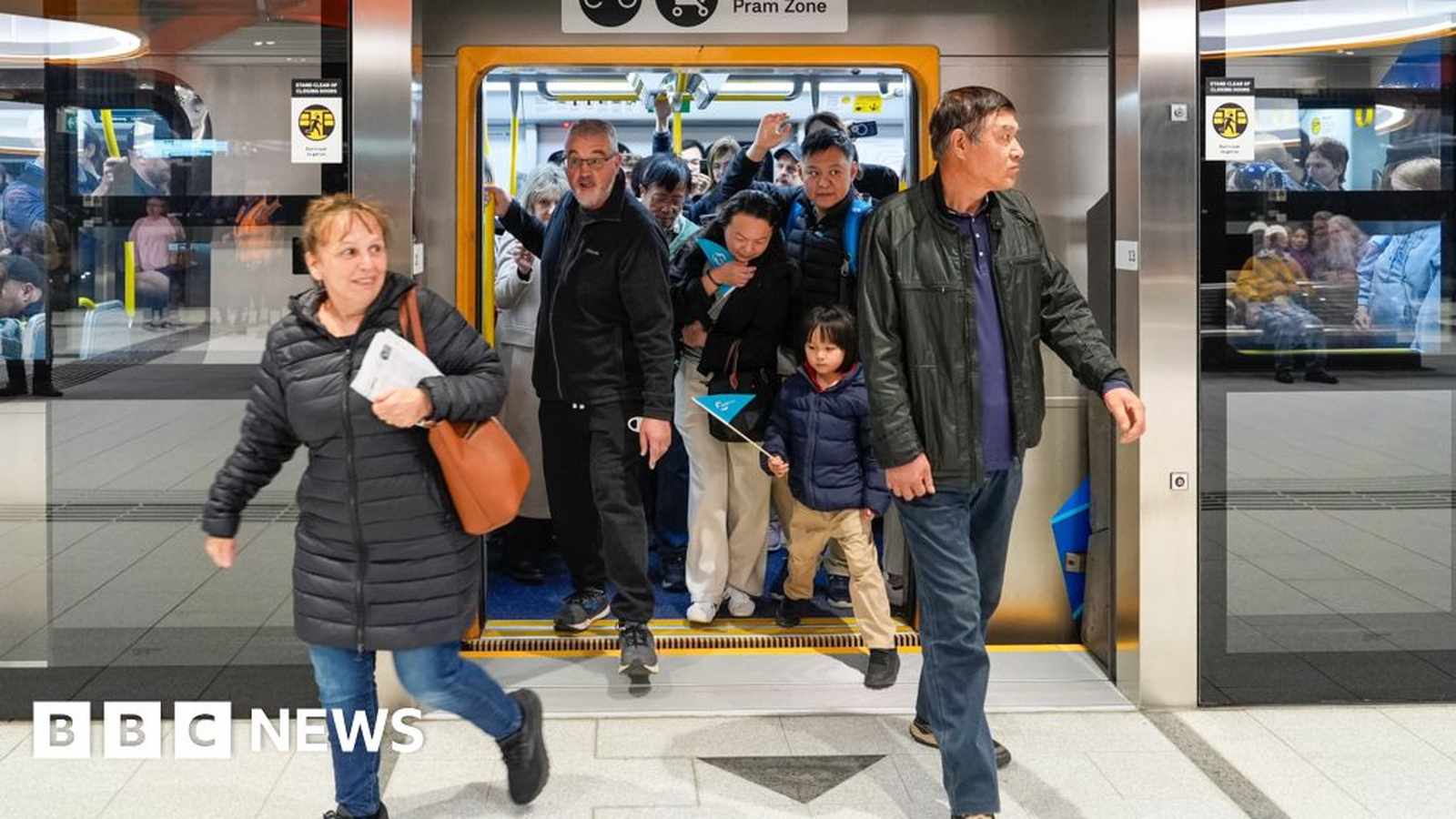
- Regional V/Line commuters report severe overcrowding and chaotic conditions, with many forced to stand for hours during long-distance travel.
- While the state government monitors patronage, experts warn that existing infrastructure lacks the capacity to meet the surge in demand triggered by the free-fare policy.
MELBOURNE (Azat TV) – Victoria’s newly implemented free public transport initiative, designed to alleviate cost-of-living pressures, has triggered immediate concerns regarding the capacity of regional V/Line train services. Commuters across the state are reporting chaotic conditions as the system struggles to accommodate a surge in patronage, with many passengers forced to stand for hours during long-distance journeys.
Regional rail network under pressure
The state government announced the temporary suspension of fares across all trains, trams, and buses effective this week, aiming to reduce reliance on petrol as global fuel prices climb due to the ongoing conflict in Iran and subsequent disruptions in the Strait of Hormuz. However, the policy has encountered significant friction on regional lines. Passengers traveling from hubs like Bairnsdale have reported that trains are reaching full seating capacity within the first few stops, leaving travelers to endure hours of standing in cramped aisles.
Commuter experience and safety concerns
The reality for many regional Victorians has shifted from expected relief to daily uncertainty. Public Transport Users Association spokesperson Daniel Bowen noted that the network was already facing strain due to increased patronage linked to rising petrol costs before the free-fare initiative began. Bowen warned that forcing passengers to stand for three-hour trips is unsustainable and presents significant comfort and safety risks. V/Line, which operates a fleet of approximately 140 VLocity trains, stated it is monitoring patronage and keeping coaches on standby, yet commuters remain skeptical that these measures will be sufficient to manage the influx of passengers throughout the month of April.
Economic context of the transport initiative
The Victorian government’s decision, which is expected to cost approximately $71 million in lost revenue, stands in contrast to the approaches taken by other Australian states. While Tasmania has also adopted a free-travel model, states such as New South Wales have declined to follow, citing the need to protect state budgets. Premier Jacinta Allan has acknowledged that the move will not solve broader cost-of-living challenges but maintains that it provides essential relief for households. Meanwhile, the federal government has attempted to address fuel price volatility by halving the nation’s fuel excise tax for three months, a measure costing $2.55 billion nationwide.
The current crisis highlights a fundamental tension between populist policy measures and the operational limitations of public infrastructure; while free fares effectively lower the barrier to entry, they risk degrading the quality of service if not matched by proportional investments in rolling stock and capacity management.