
Quick Read
- Vijay Hazare Trophy 2025-26 began on December 24, featuring returns from Virat Kohli and Rohit Sharma.
- Bihar set a new world record with 574/6 against Arunachal Pradesh; Sakibul Gani hit the fastest List A century by an Indian.
- 14-year-old Vaibhav Suryavanshi became the youngest List A centurion, scoring a 36-ball hundred for Bihar.
- Most matches, including Delhi vs Andhra and Mumbai vs Sikkim, are not broadcast live; only select games are televised.
- Selectors are closely watching emerging bowlers as competition intensifies for future national team spots.
Star Power Returns: Kohli and Sharma Redefine Domestic Stakes
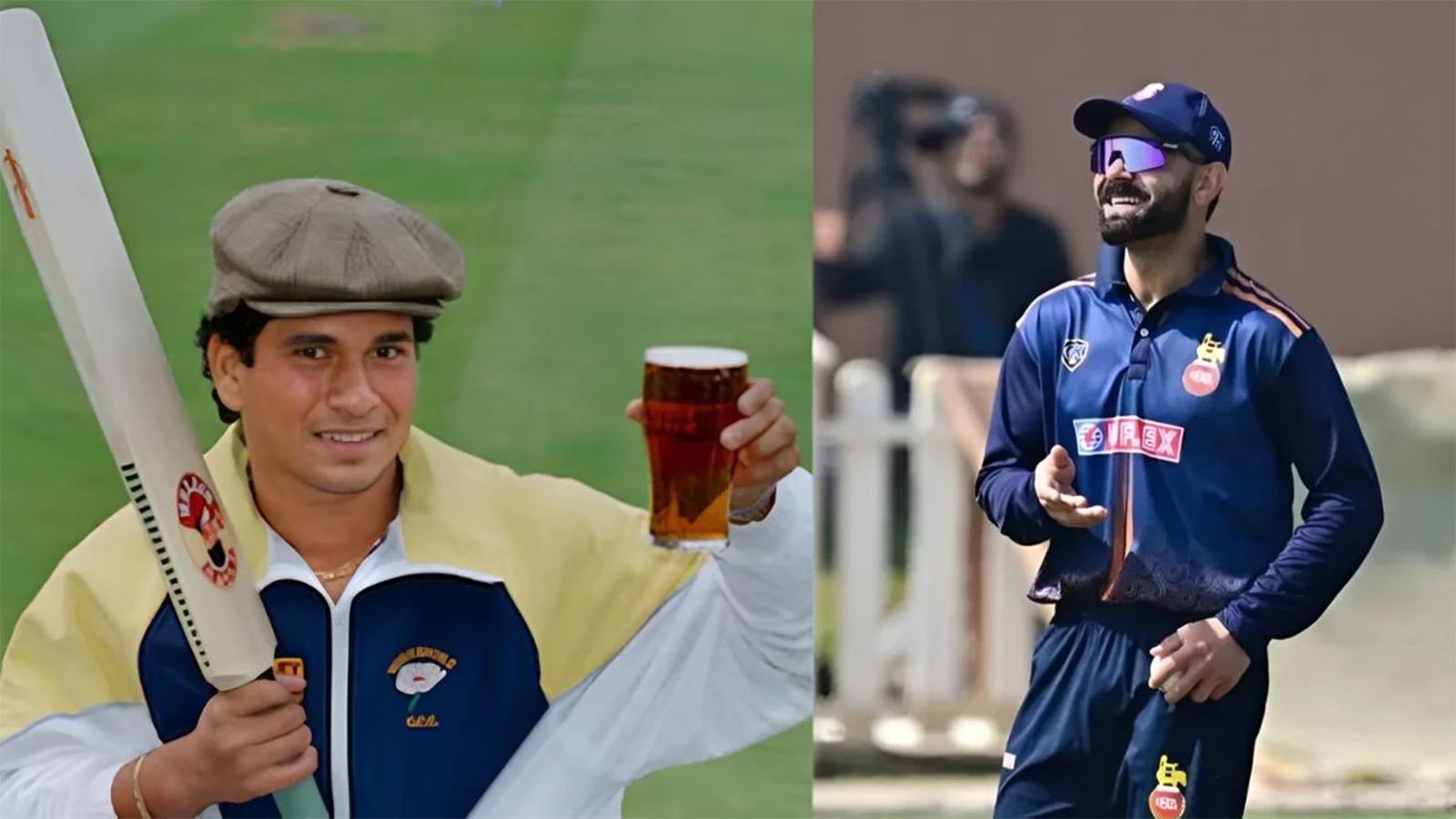
The curtain rose on the Vijay Hazare Trophy 2025-26 with an intensity rarely felt in Indian domestic cricket. As Virat Kohli and Rohit Sharma donned their Delhi and Mumbai colors, the competition’s stakes seemed to shift overnight. Their presence, mandated by the BCCI for at least two matches by centrally contracted players, wasn’t just compliance—it was a statement. Kohli’s return after a 15-year absence and Rohit’s commitment to Mumbai’s opening fixtures against Sikkim and Uttarakhand set a tone: reputation alone is no longer a shield in the face of Indian cricket’s evolving power dynamics.
Kohli, training under former batting coach Sanjay Bangar, arrived in Bengaluru as Delhi prepared to face Andhra at the BCCI Centre of Excellence—a venue switch prompted by security concerns. Sharma, meanwhile, confirmed early participation, eager to keep his place in India’s 2027 World Cup conversation. But as the tournament began, the spotlight was shared by more than just these icons.
Historic Records: Bihar’s Unbelievable Feat and Youthful Brilliance
If fans expected all eyes to be on Kohli and Sharma, they were quickly refocused by Bihar’s seismic display against Arunachal Pradesh. Bihar shattered the world record for the highest team total in List A cricket, piling up a jaw-dropping 574/6—obliterating Tamil Nadu’s previous best of 506/2 from 2022 (Times of India). The onslaught was led by captain Sakibul Gani, who blasted an unbeaten 128 off just 40 balls, racing to his hundred in a mere 32 balls—the fastest List A century by an Indian, surpassing Anmolpreet Singh’s 35-ball ton from last season.
But the true sensation was 14-year-old Vaibhav Suryavanshi. In a performance that outshone even the star returns, Suryavanshi smashed a 36-ball century, becoming the youngest player ever to score a List A hundred. At 14 years and 272 days, he not only rewrote the record books but also showed composure and power rarely seen at such an age, eventually converting his milestone into 150 runs off 59 balls.
Selectors’ Watchlist: New Faces and Fast Bowling Futures
While batting fireworks dominated headlines, the selectors’ gaze quietly shifted to the bowling department. Since Mohammed Siraj’s rise, India has been searching for another breakout fast bowler. The supporting cast—Prasidh Krishna, Harshit Rana, Akash Deep—has shown flashes but not sustained dominance. This Vijay Hazare season is a critical window for talents like Gurjapneet Singh (Tamil Nadu), Gurnoor Brar (Punjab), Yudhvir Singh (Jammu & Kashmir), Anuj Thakral (Haryana), and Sakib Hussain (Bihar). Away from the limelight, these bowlers could shape India’s next white-ball transition.
More Than Just Selection: Self-Definition and Pressure
For Kohli and Sharma, the pressure isn’t about immediate selection, but a subtle erosion of their insulation. Younger batters—Yash Dhull, R Smaran—are no longer waiting politely in the wings; they are forcing conversations. The recent omission of Shubman Gill from the T20 World Cup squad, despite his value, and Ishan Kishan’s recall after a prolific Syed Mushtaq Ali Trophy, underscore that even star names are not immune.
Delhi captain Rishabh Pant, seeking to reestablish his white-ball credentials, leads a side brimming with talent and ambition. Gill, overlooked for the T20 World Cup, uses the tournament to channel frustration and prepare for his upcoming ODI captaincy against New Zealand. Their performances may not guarantee immediate selection, but they do shape the narrative around form and leadership at a time when scrutiny is relentless.
Squads, Venues, and Broadcast: The Nuts and Bolts
This edition features robust squads from every corner of India, with a mix of seasoned internationals and rising prospects. From Tamil Nadu’s N. Jagadeesan to Mumbai’s Shardul Thakur, the roster is deep and competitive. However, fans hoping to catch every ball are out of luck—most matches, including the high-profile Delhi vs Andhra and Mumbai vs Sikkim openers, are not available for live broadcast or streaming (Sporting News). Only select games at Narendra Modi Stadium (Ahmedabad) and Niranjan Shah Stadium (Rajkot) are televised.
As for match timings, the action kicks off at 9:00 AM IST. Venues have shifted due to local concerns; Delhi’s match moved from M Chinnaswamy Stadium to the BCCI Centre of Excellence, while Mumbai vs Sikkim unfolds at Jaipur’s Sawai Man Singh Stadium.
The Pulse of the Tournament: Competition Beyond Names
The Vijay Hazare Trophy, once a quiet proving ground, now thrums with energy and narrative. Alongside the Ro-Ko axis, names like Rishabh Pant, Shubman Gill, Suryakumar Yadav, and Abhishek Sharma add depth. The BCCI’s mandate and the palpable hunger of younger players have turned this edition into a battleground for relevance, redemption, and reinvention.
As the matches unfold, every innings is a negotiation with time, legacy, and ambition. For veterans, it’s a fight to rediscover inner fire; for prodigies, it’s a chance to announce themselves to the world. The drama isn’t just in the scores—it’s in the shifting landscape of Indian cricket, where the only constant is change.
Assessment: The 2025-26 Vijay Hazare Trophy is more than a domestic tournament—it’s a crossroads for Indian cricket’s biggest names and brightest prospects. With records tumbling and reputations on the line, the competition highlights both the pressure of legacy and the promise of youth. The blend of historic feats, strategic selection battles, and raw ambition ensures that this season will be remembered as a transformative chapter in the sport’s domestic narrative.