
Quick Read
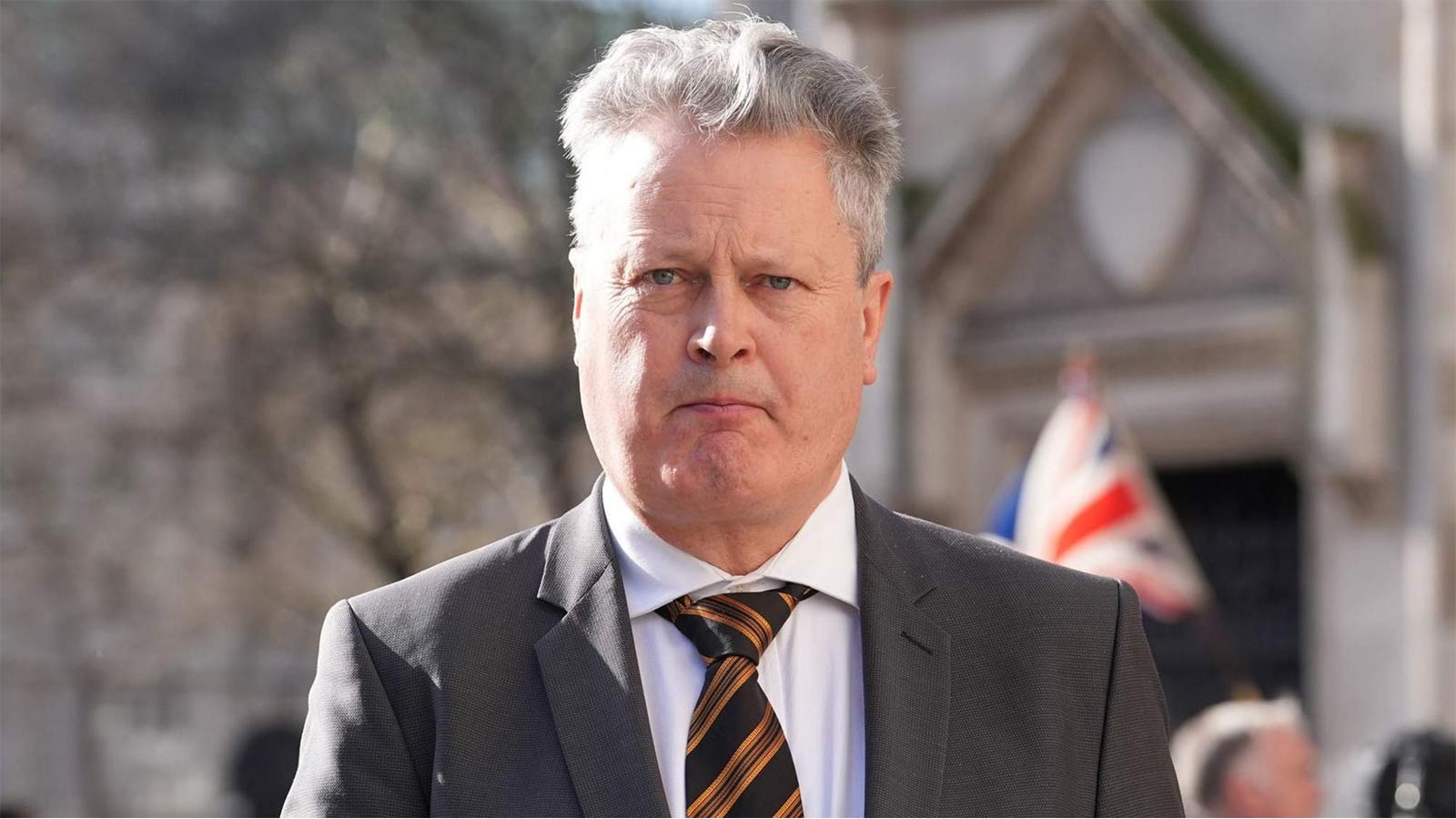
- An Investigatory Powers Tribunal (IPT) hearing began in London today concerning the surveillance of journalist Vincent Kearney.
- Kearney’s legal team alleges “unprecedented” and “long and consistent unlawful interference” by MI5 and PSNI from 2006 to 2014.
- Allegations include the creation of a detailed “profile” of Kearney’s private and public life and multiple accesses to his communications data.
- Kearney stated he was treated “as a suspect rather than a journalist.”
- MI5 previously admitted illegally obtaining Kearney’s communications data in 2006 and 2009, and later disclosed seeking data multiple times.
LONDON (Azat TV) – An Investigatory Powers Tribunal (IPT) hearing began today in London, revealing what Vincent Kearney’s legal team describes as an “unprecedented” and “long and consistent campaign of unlawful interference” by MI5 and the Police Service of Northern Ireland (PSNI) against the prominent journalist. These newly surfaced details, presented before the IPT, suggest that the extent of surveillance on Mr. Kearney, formerly a BBC Northern Ireland home affairs correspondent and now northern editor for RTE, went far beyond what security services had previously acknowledged, raising significant concerns about press freedom and the protection of journalistic sources.
Unprecedented Surveillance Allegations Emerge at IPT
Submissions to the IPT allege that the surveillance of Vincent Kearney, which his lawyers contend began in 2006 and continued as late as 2014, involved the creation of a detailed “profile” of his private and public life. This profile reportedly listed the number and subjects of articles published by Mr. Kearney, indicating a systematic effort to monitor his journalistic activities. Mr. Kearney himself has stated that he was treated “as a suspect rather than a journalist” by law enforcement agencies, according to reports from The Belfast Telegraph.
This current hearing builds upon previous admissions. In September of last year, MI5 confirmed it had illegally obtained communications data from Mr. Kearney’s mobile phone on two occasions, in 2006 and 2009. Further disclosures in October 2025 revealed that the intelligence agency had sought and obtained access to his communications data multiple times and had even requested to “open a file” on the reporter. The Investigatory Powers Tribunal is the only British court empowered to rule on covert surveillance operations by intelligence agencies and police, with most of its proceedings conducted behind closed doors.
The Scope of Alleged Interference
Mr. Kearney’s legal team will argue that both he and the BBC were subjected to a wide-ranging campaign of unlawful interference. The tactics used by the PSNI and MI5, particularly the creation of a personal and professional profile, bear striking similarities to those employed against journalists in the unfolding Labour Together scandal, as noted in court documents seen by The Guardian and The Detail. The submissions to the IPT also highlight that almost all of the ten applications made by the PSNI between January 1, 2011, and March 31, 2024, to access communications data relating to journalists in an attempt to identify a journalistic source, were connected to Mr. Kearney.
The current case has its roots in earlier IPT proceedings involving former The Detail journalist Barry McCaffrey and founder Trevor Birney. They were arrested in 2018 and later acquitted after obtaining confidential documents exposing collusion in the 1994 Loughinisland massacre. Their own IPT case led to disclosures that identified Mr. Kearney as a target for surveillance, prompting him to file his complaint.
Chilling Effect on Journalism and Broader Implications
The unlawful surveillance, according to submissions, has had “a real and significant effect” on Vincent Kearney’s life, causing “particular distress” due to the range and scale of personal information gathered. Furthermore, the prosecution will contend that the surveillance has created a “measurable chilling effect” on Mr. Kearney’s journalistic work. This includes the destruction of some of his relationships with sources and damage to the source protection credentials of his BBC colleagues, who have suffered by association.
As well as seeking damages, Mr. Kearney and the BBC are also requesting an order for the deletion of their journalistic material and clear declarations of illegality. The National Union of Journalists (NUJ) has actively supported Mr. Kearney, with Kevin Cooper, vice Chair of the Belfast & District NUJ Branch, expressing solidarity and calling for a broader, independent investigation into the surveillance of journalists in Northern Ireland. An earlier report by Angus McCullough KC last year reviewed instances where the PSNI unlawfully used covert powers to identify journalistic sources but concluded that the practice was not “widespread or systemic,” notably excluding cases like Mr. Kearney’s that were before the IPT or involved security services.
The ongoing revelations at the Investigatory Powers Tribunal underscore the persistent challenges faced by journalists in protecting their sources and maintaining editorial independence, particularly when confronted with the covert actions of state security agencies. The detailed allegations in Vincent Kearney’s case highlight a critical need for robust oversight and transparency mechanisms to safeguard journalistic integrity against unwarranted state surveillance.