
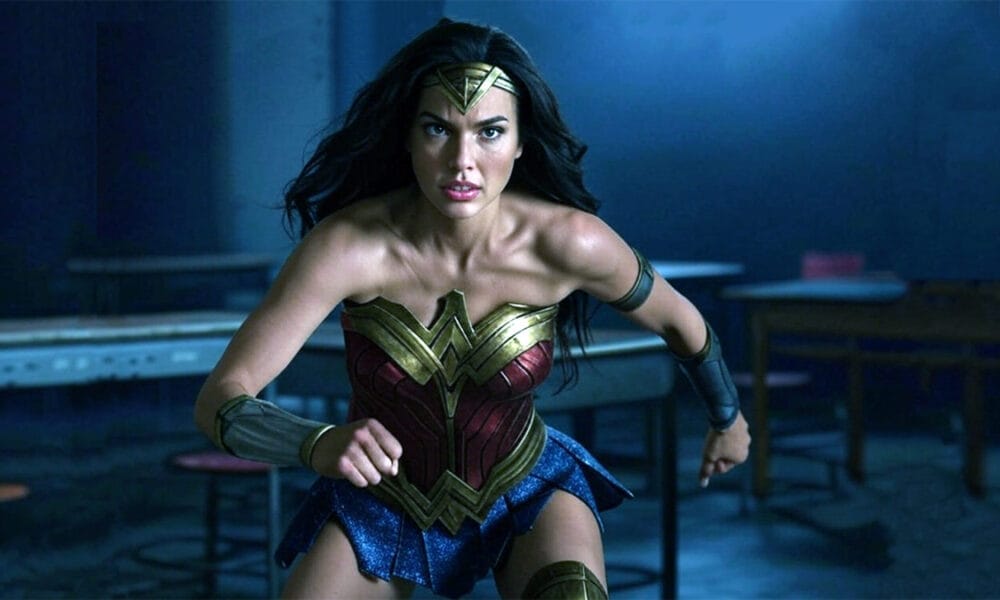
Strategic Shift at Warner Bros. Games – Impact on DC Universe and Gaming Industry
Warner Bros. Games has recently announced a significant restructuring, involving the closure of three game development studios and the cancellation of the highly anticipated “Wonder Woman” game. This strategic pivot marks a critical juncture for the company’s gaming division and sends ripples throughout the broader video game industry. This article delves into the multifaceted reasons behind these closures, examining the immediate and long-term effects on game developers, players, and the future of DC Comics interactive entertainment.
Unpacking the Closures: Economic Factors and Strategic Realignment
Economic Pressures and Market Dynamics in Game Development
The video game industry is characterized by intense competition and escalating production costs. Warner Bros. Games’ decision to shutter studios like Monolith Productions and Player First Games reflects the increasing economic pressures facing large game publishers. The need to optimize resource allocation and reduce operational expenses has become a dominant factor in corporate strategy.
- Soaring Game Development Budgets : The push for photorealistic graphics, expansive open worlds, and immersive gameplay has dramatically increased the financial investment required for AAA game titles.
- Fragmented Player Attention : The proliferation of gaming platforms and titles has led to a highly competitive market for player attention, making it harder for individual games to achieve breakout success and sustained profitability.
Strategic Realignment Towards Core Franchises and Profitability
Warner Bros. Games’ restructuring is indicative of a broader trend within the entertainment conglomerate to refocus on core, high-yield intellectual properties (IPs). The cancellation of the “Wonder Woman” game, despite its initial promise, signals a strategic shift towards projects perceived to offer a more secure return on investment.
- Prioritization of Proven Franchises : Warner Bros. is likely to concentrate its gaming investments on established, globally recognized franchises that possess built-in audiences and predictable revenue streams.
- Adaptation to Evolving Consumer Preferences : The strategic realignment may also reflect an attempt to align the company’s gaming portfolio more closely with current market tastes, potentially favoring genres and game types with demonstrated commercial success.
Ripple Effects: Consequences for Game Developers and the Gaming Community
Developer Job Losses and Industry Talent Mobility
The immediate consequence of studio closures is job displacement for numerous game developers. This talent outflow raises concerns about the stability of careers within the gaming industry and the potential for a concentration of talent within fewer, larger studios.
- Potential Talent Migration : Experienced game developers affected by studio closures may seek new employment opportunities at rival studios or in adjacent technology sectors, leading to a reshuffling of industry talent.
- Impact on Gaming Innovation : While studio closures are a contraction, they may also spur innovation as displaced developers form independent studios or bring fresh perspectives to new environments.
Gamer Disappointment and Shifting Expectations for DC Gaming
The cancellation of the “Wonder Woman” game is likely to disappoint fans eagerly anticipating a AAA title featuring the iconic DC superhero. This decision may also recalibrate gamer expectations regarding the future of DC Comics-based video games under Warner Bros. Games’ direction.
- Fanbase Reaction and Brand Perception : Cancellation of high-profile projects can impact brand loyalty and fan enthusiasm for future Warner Bros. Games releases, particularly within the DC universe.
- Future of DC Gaming Portfolio : The restructuring raises questions about the types of DC games Warner Bros. will prioritize moving forward – potentially leaning towards safer bets or focusing on different segments of the gaming market.
Navigating Uncertainty and the Future Landscape of AAA Game Development
Warner Bros. Games’ decision to close studios and cancel the “Wonder Woman” project underscores the volatility and high-stakes nature of the AAA video game industry. While the immediate effects are undoubtedly challenging for affected developers and anticipated games, this strategic realignment may pave the way for a more focused and potentially more sustainable approach to game development at Warner Bros. The long-term implications for the gaming landscape remain to be seen, but this event highlights the constant pressures of economic viability and creative adaptation in the ever-evolving world of video games.
For more insights into the entertainment industry and strategic business decisions, visit Azat TV’s Entertainment section.