
Quick Read
- Warren Buffett retires in 2025 after transforming Berkshire Hathaway into a $1 trillion company.
- Buffett’s annual letters offer key investing lessons: discipline, contrarian thinking, and risk management.
- Investors see Berkshire Hathaway’s leadership change as a buying opportunity for 2026.
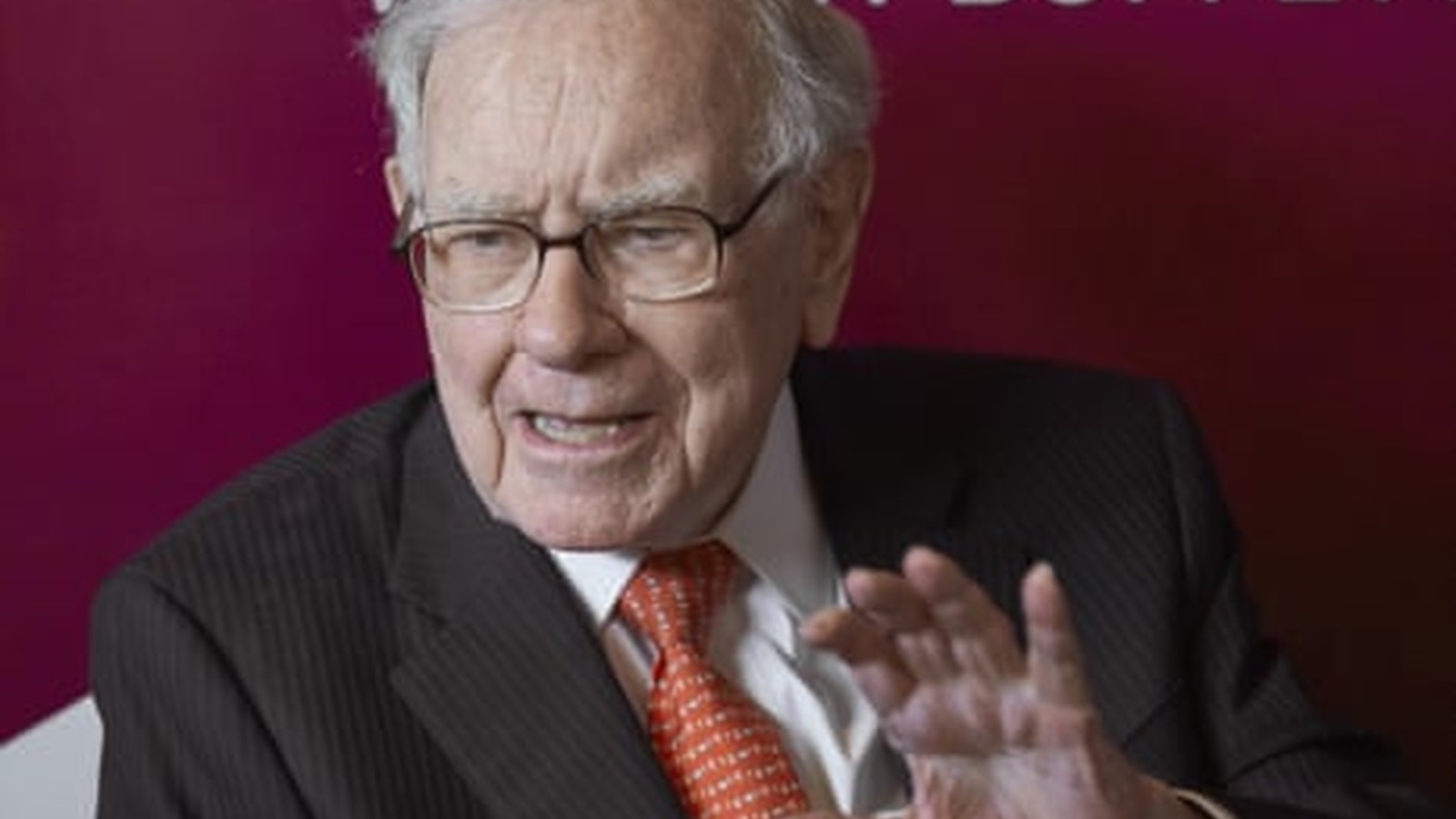
Warren Buffett, the legendary ‘Oracle of Omaha,’ is closing the curtain on a career that transformed Berkshire Hathaway from a struggling textile mill into a $1 trillion conglomerate. As he retires at the end of 2025, the investing world takes stock—not just of his fortune, but of the wisdom he shared over six decades. With the transition to new leadership, the spotlight now shines on Berkshire Hathaway’s future, while Buffett’s sharp lessons in capital allocation, risk, and discipline continue to shape the market’s thinking.
Buffett’s annual letters, beginning in 1965, became required reading for investors worldwide. They were more than financial summaries; they were stories, full of wry humor and hard-earned truths. He famously described his initial purchase of Berkshire Hathaway as a mistake—buying a dying textile company and learning the painful difference between price and value. Yet this misstep became the crucible in which his philosophy was forged: capital should be allocated only where the future is clear and the business is sound.
Among his most quoted maxims is the advice to “be fearful when others are greedy and greedy only when others are fearful.” In 1986, Buffett distilled the essence of contrarian investing. He acknowledged that markets move in cycles of fear and greed, and that timing these waves is tricky. But staying rational when emotions run high, he argued, is what separates successful investors from the herd.
Buffett’s preference for paying cash, rather than shares, in acquisitions was another costly lesson. His 1998 purchase of General Re with Berkshire stock proved a “terrible mistake,” as shareholders ended up giving more than they received. This reinforced his belief that discipline trumps ego, and that most deals are dangerous distractions for acquiring companies—often driven by “animal spirits and ego” rather than sober analysis.
He also championed what he called a “bisexual” approach to investing: holding stakes in wonderful public companies while also buying entire businesses outright. This eclectic style, he joked, “doubles your chances for a date on Saturday night,” borrowing a quip from Woody Allen. Flexibility, rather than dogma, was the secret sauce.
Buffett’s metaphors became legendary. “When the tide goes out, you see who’s been swimming naked,” he wrote after Hurricane Andrew exposed the fragility of some insurers’ balance sheets. His warnings about derivatives as “financial weapons of mass destruction” in 2002 proved prescient when the 2008 financial crisis hit. He likened the web of financial dependence to the risks of “sleeping around,” cautioning that small missteps in leveraged markets could trigger catastrophic outcomes.
Despite these risks, Buffett knew when to seize opportunity. He urged investors to keep “dry powder”—cash reserves—ready for moments when valuations tumble and “the cash register will ring loud.” In his 2016 letter, he wrote: “When dark clouds fill the economic skies, they will briefly rain gold. When downpours of that sort occur, it’s imperative that we rush outdoors carrying washtubs, not teaspoons.” This vivid imagery underscored his philosophy: fortune favors the prepared.
Buffett’s management style was unique. Financial decisions were centralized at the top, but day-to-day operations were delegated to trusted managers. He favored experience over youth, and his annual letters celebrated the achievements of long-serving leaders like Rose Blumkin, who ran a furniture store in Nebraska until she was 103. Buffett’s humor shone through: “The candles cost more than the cake,” he joked at her 100th birthday.
Succession planning has been a topic of speculation for years. By 2005, Berkshire Hathaway’s board had identified several candidates to succeed Buffett, and in 2025, the transition is finally happening. Greg Abel, previously vice chairman of non-insurance operations, steps into the CEO role. Investors, including Barbara Goodstein of R-360, remain bullish, seeing Berkshire’s underperformance relative to the S&P 500 as a buying opportunity. In 2025, Class A shares rose 9.7%, compared to the S&P’s 17% gain, fueling hopes that new leadership could unlock fresh value.
Looking ahead, analysts like Mark Smith of Wells Fargo and Lauren Goodwin of New York Life Investments see strong prospects for Berkshire and broader markets in 2026. Communication services and value stocks are in focus, with AI and diversification driving sector optimism. “You don’t fight the Fed, you don’t fight Trump,” Goodwin quipped, pointing to a robust growth impulse in the first half of 2026.
Yet, as Buffett himself noted, no strategy lasts forever. The world is unpredictable, cycles turn, and investors must adapt. His legacy isn’t just measured in billions, but in the habits and disciplines he instilled in generations of shareholders.
Buffett’s departure marks the end of an era, but his lessons endure: rationality over emotion, discipline over ego, and readiness for opportunity. As Berkshire Hathaway faces its next chapter, the investing world watches—not just to see who follows in Buffett’s footsteps, but whether his principles will continue to guide the company through the tides of fortune.
Sources: The Guardian, CNBC