
Quick Read
- Mass evacuations ordered for Skagit River floodplain and other Western Washington communities as rivers surpass historic levels.
- National Guard mobilized; major highways, roads, and public transit routes closed due to flooding and mudslides.
- Nearly 100,000 residents face evacuation; tribal lands and rural families are among the hardest hit.
- Governor Ferguson declared a state of emergency, requesting federal disaster aid and activating rescue operations.
- Meteorologists attribute the flooding to a persistent atmospheric river, with nearly 5 trillion gallons of rain falling in a week.
Mass Evacuations as Rivers Surpass Record Flood Levels
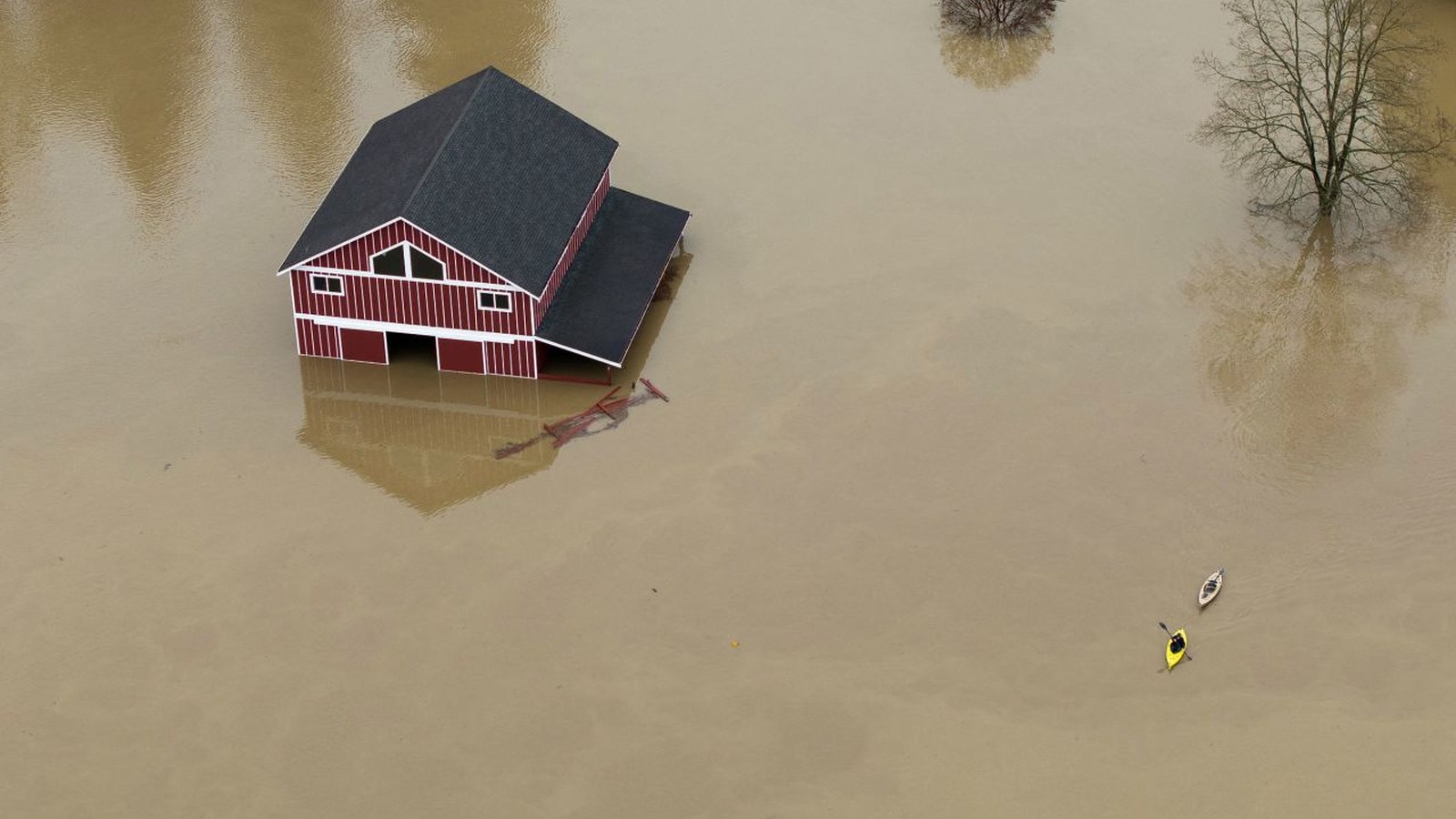
Western Washington is facing a natural disaster of historic proportions. Torrential rains, fueled by an atmospheric river, have sent the region’s mightiest waterways—especially the Skagit, Snohomish, and Nooksack rivers—roaring past their banks. By Thursday, authorities had ordered ‘GO NOW’ evacuations for the entire 100-year floodplain of the Skagit River valley, a move that affected tens of thousands. The National Weather Service has warned of ‘catastrophic’ flooding, with a flash flood watch in effect for a possible levee failure below Sedro-Woolley.
Governor Bob Ferguson’s office expects up to 100,000 people statewide may need to leave their homes. Emergency management teams have scrambled to communicate evacuation orders and provide resources for those in the path of the rising waters. The Washington National Guard is already on the ground, filling sandbags and assisting local responders.
Communities Under Water: Stories of Resilience and Loss
Entire towns are reeling. In Whatcom County, cities near the Canadian border—including Sumas, Nooksack, and Everson—were ordered evacuated as floodwaters covered streets and shut down businesses. In Stanwood, Megan Dascher-Watkins and her family, veterans of previous floods, watched as water swallowed fences and threatened their home, relying on adaptations made over the years to keep their belongings safe.
On tribal lands, the impact has been profound. Freddie Lane of the Lummi Nation called the flooding ‘pretty biblical.’ He sees a connection to the region’s history: ‘The river’s trying to go back to its ancient route,’ Lane explained, referencing the rerouting of the Nooksack River in the 19th century. Tribal casinos and livelihoods have been disrupted as waters inundate key access roads and neighborhoods.
Infrastructure Hit Hard: Road, Power, and Transit Closures
Washington’s infrastructure is straining under the deluge. Blewett Pass, Highway 18, and portions of Interstate 90 are closed due to mudslides and flooding. In Chelan County, nearly 10,000 people lost power, including most of Leavenworth and the Lake Wenatchee area. Utility officials are working to restore service as quickly as possible, but the persistent rain has hampered progress.
Public transportation has been impacted, with King County bus routes and shuttle services suspended. Road closures are widespread in Carnation, North Bend, Auburn, and Snohomish County, leaving some areas isolated—rescuers report Carnation and Duvall are now ‘essentially islands.’ In King County alone, dozens of roads are impassable.
Response and Federal Aid: Calls for Action as Risks Persist
Governor Ferguson declared a state of emergency, requesting federal disaster assistance and calling in the National Guard. The entire Washington congressional delegation has urged President Trump to expedite emergency support, citing threats to lives, property, and livestock. As of Thursday, FEMA had not yet committed to aid, but further meetings were planned.
Rescue operations have been ongoing: Eastside Fire and Rescue saved 20 people from homes and vehicles in Snoqualmie and North Bend, using inflatable rafts and helicopters. Residents in high-risk areas have been reminded to heed evacuation orders—’It is critical for your safety,’ Ferguson emphasized.
The Human Toll: Facing Uncertainty and Adapting in Real Time
The storm’s impact is deeply personal. Piper Fecht, a longtime resident of Snohomish, recalled volunteering during the record-setting 1990 flood. Now, she brings her daughter to witness the swollen river, marveling at nature’s power and unpredictability. Others, like Mike Howell in Silvana, see echoes of past disasters and worry for their homes and animals.
Still, not everyone is immediately affected. Beth Bartlett in North Bend felt secure on her hillside property but kept a watchful eye. Roselyn Tadlock, who lost power in Wilderness Rim, was shocked to see neighbors’ homes flooded—proof that even those who feel safe can be caught off guard.
Atmospheric River: The Science Behind the Deluge
Meteorologists say the root cause is a persistent atmospheric river—a narrow corridor of concentrated moisture, supercharged by warm air and water and tracing back to tropical cyclone activity as far away as Indonesia. In some mountain areas, rainfall totals topped 15 inches in just three days. Seattle and surrounding cities recorded 1 to 4 inches, but the cumulative effect pushed rivers to record-breaking stages.
Nearly 5 trillion gallons of rain fell on Western Washington in just seven days, overwhelming the land’s ability to absorb it and flooding low-lying communities. The worst rains are expected to linger through Friday before easing, but the threat remains high for further flooding and mudslides.
Emergency Resources and Community Guidance
Local governments and the American Red Cross have mobilized shelters in Mount Vernon, Puyallup, Maple Valley, Randle, and Chehalis. Residents are advised to sign up for emergency alerts, prepare go-bags with medications and documents, and avoid driving or walking through floodwaters. Checking on neighbors and staying off flooded roads are key safety recommendations.
Authorities continue to update the public through hotlines, social media, and county websites. Volunteers and emergency workers are focused on supporting vulnerable populations, including elders and those with limited mobility.
Looking Ahead: Recovery, Resilience, and Federal Support
As the atmospheric river weakens, attention is turning to recovery and long-term resilience. The devastation in Skagit, Snohomish, and Whatcom counties will require coordinated federal, state, and local response. Tribal leaders, local families, and officials alike are counting the cost and planning for future floods—knowing that climate change and infrastructure challenges may make such events more common.
Washington’s river flooding in December 2025 stands as a stark reminder of nature’s unpredictability and the necessity for robust emergency planning. The stories emerging—from rapid evacuations to quiet moments of resilience—highlight both the vulnerability and the strength of communities facing disaster. The coming weeks will test the region’s ability to recover, adapt, and prepare for what may well become the new normal.