
Quick Read
- Australia’s government plans to list Wegovy, a key weight-loss medication, on the Pharmaceutical Benefits Scheme (PBS).
- The move aims to significantly reduce costs for eligible patients, capping prescriptions at $25 for general patients and $7.70 for concession card holders.
- Eligibility criteria include severe obesity (BMI of 35 or higher) and existing cardiovascular disease (history of heart attack or stroke).
- Wegovy, containing semaglutide, mimics a satiety hormone, helping users feel fuller and eat less.
- Price negotiations between the government and manufacturer Novo Nordisk are ongoing, with a confirmed listing date pending their conclusion.
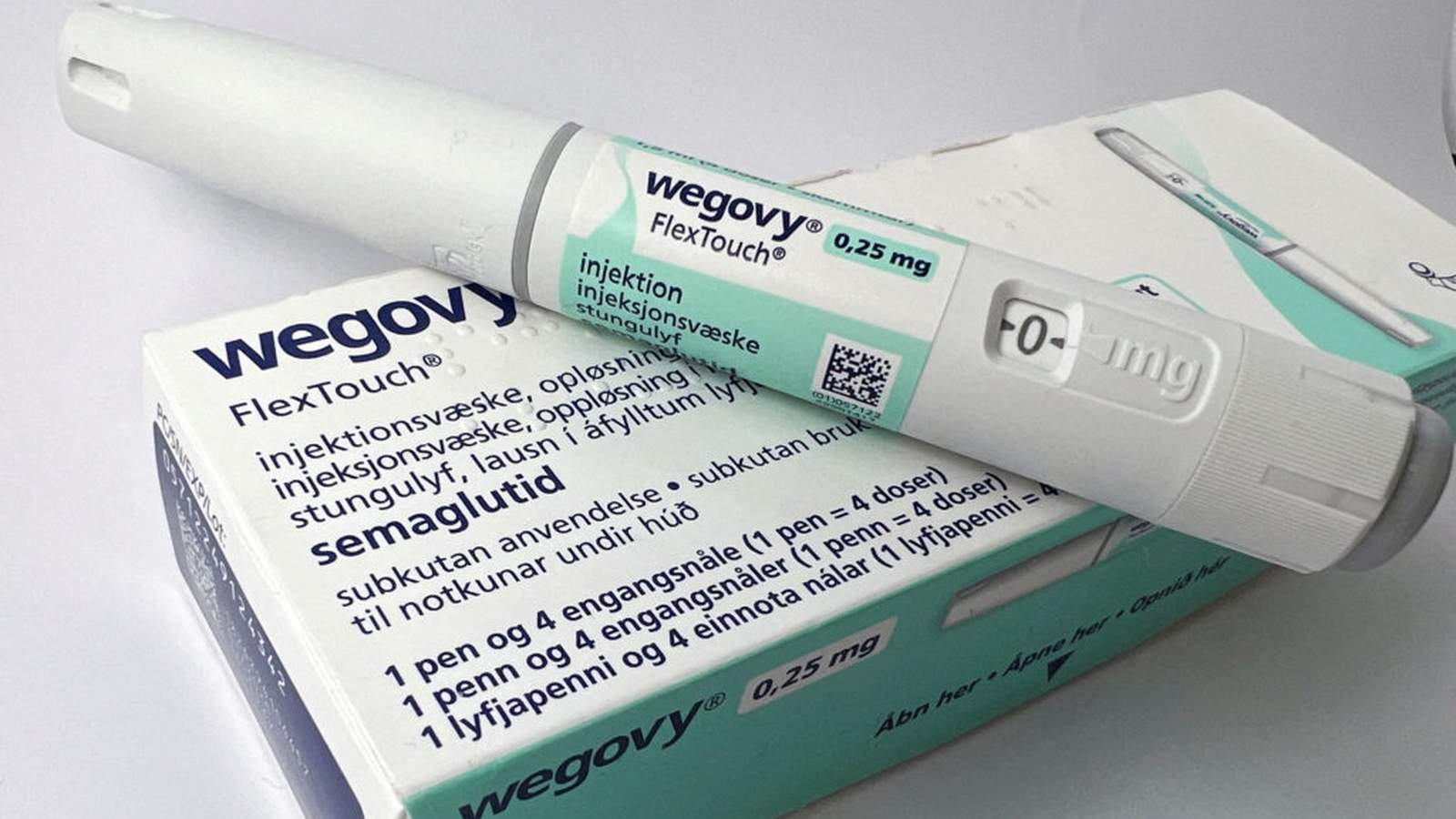
For many Australians living with severe obesity and its debilitating health complications, the prospect of effective treatment has often been shadowed by prohibitive costs. However, a significant shift is on the horizon. The Australian government has confirmed its intent to list Wegovy, a groundbreaking weight-loss medication, on the Pharmaceutical Benefits Scheme (PBS), promising a dramatic reduction in price for eligible patients. This move is poised to transform access to a therapy that, until now, has been financially out of reach for countless individuals.
Health Minister Mark Butler has publicly stated that this initiative aims to sharply cut costs for those who meet specific criteria, acknowledging the potential for a “very big bill for taxpayers.” It’s a testament to the growing recognition of obesity as a serious chronic condition requiring accessible medical intervention, even as the fiscal implications are carefully weighed.
A Game-Changer in Weight Management: Understanding Wegovy’s Impact
Wegovy, a GLP-1 medication containing semaglutide, functions by mimicking a hormone naturally released after eating. This mechanism helps individuals feel fuller for longer, reducing appetite and caloric intake over time. For many, it represents a crucial tool in the long and often challenging journey of weight management, offering a physiological assist where diet and exercise alone have proven insufficient.
Currently, the financial barrier to this treatment is substantial. Patients paying out of pocket face costs running into hundreds of dollars per month, accumulating to thousands annually. This exorbitant price tag has effectively excluded a vast segment of the population who could benefit most from the medication, forcing them to grapple with the compounded health risks of untreated severe obesity, including type 2 diabetes, certain cancers, and, critically, cardiovascular disease.
The integration of Wegovy into the PBS would dismantle this financial hurdle. Under current PBS rules, prescription medicines are capped at $25 per script for general patients, and a mere $7.70 for pensioners and concession card holders. This dramatic reduction from hundreds to mere tens of dollars per month would not just be a saving; it would be a lifeline, making sustained treatment a realistic possibility for thousands.
Who Qualifies: Navigating the Eligibility Criteria
The decision to subsidize Wegovy didn’t come lightly. The Pharmaceutical Benefits Advisory Committee (PBAC), a body of independent medical and scientific experts, recommended the listing in late 2025. Their recommendation specifically targets Australians facing the most severe health risks associated with obesity.
As such, eligibility for the PBS subsidy will apply to individuals with severe obesity who also have existing cardiovascular disease. This means patients must have experienced a heart attack or stroke and have a Body Mass Index (BMI) of 35 or higher. This stringent criterion ensures that the subsidy is directed towards those for whom the health benefits are most critical and immediate, aligning public health investment with the greatest medical need. While this provides a clear pathway for a specific group, it also means many others living with obesity may still face the current high costs, highlighting the ongoing complexities of healthcare policy.
The Road Ahead: Negotiations and Implementation
While the government’s commitment is clear, the exact timeline for Wegovy’s PBS listing remains fluid. The finalization hinges on ongoing price negotiations between the government and the manufacturer, Novo Nordisk. Health Minister Butler has indicated that the listing process will proceed “soon,” with further details to emerge once these crucial discussions conclude.
These negotiations are a delicate balance. The government seeks to secure a price that is both affordable for the public purse and sustainable for the manufacturer, reflecting the significant investment in research and development. For the public, however, every day that passes without a confirmed date is a day of continued financial strain and delayed access to potentially life-altering treatment. The process underscores the intricate interplay between pharmaceutical innovation, government policy, and public health imperatives.
Estimates suggest that about 13 percent of Australian adults live with severe obesity, many of whom also contend with related health risks like heart disease. The potential subsidy of therapies like Wegovy could significantly widen access for this vulnerable population, offering a tangible path towards improved health outcomes and a better quality of life. As always, individuals considering this or any other medication are strongly advised to consult with their GP or healthcare provider to determine if it is the right treatment option for their specific circumstances.
The impending PBS listing of Wegovy marks a pivotal moment in Australia’s approach to chronic disease management. It signals a governmental commitment to addressing the widespread public health challenge of obesity, recognizing its profound impact on individuals and the healthcare system. While the financial burden on taxpayers is a valid consideration, the potential for improved health outcomes, reduced long-term healthcare costs associated with obesity-related complications, and enhanced quality of life for a significant portion of the population underscores the strategic importance of this decision. It’s a complex balance of public health and fiscal responsibility, yet one that ultimately prioritizes patient access to effective, modern medicine.