
Quick Read
- Wegovy and Mounjaro are increasingly used by midlife women for weight loss, often outside official prescription guidelines.
- Side effects include muscle and bone loss, gastrointestinal issues, and unknown interactions with female hormones.
- A new oral GLP-1 pill, orforglipron, may help maintain weight loss after stopping injections, with FDA approval expected in 2026.
GLP-1 Weight Loss Drugs: The Midlife Revolution and Its Risks
In recent years, injectable drugs like Wegovy and Mounjaro have swept through the midlife population, especially among women navigating menopause and the legacy of decades-old beauty standards. As reported by The Independent, the use of these so-called ‘miracle jabs’ has become so common that even natural weight loss now prompts suspicion—everyone assumes you’re “on it.” The cultural backdrop is clear: a generation raised to idolize thinness now finds itself grappling with normal, age-related weight gain and the relentless pressure to stay slim.
The mechanics behind Wegovy and similar drugs are rooted in their original design for treating type 2 diabetes and morbid obesity. They activate GLP-1 and GIP receptors, hormones that help regulate insulin and reduce liver sugar production. The official prescription threshold in the UK remains a BMI of 35 or above, coupled with a nutrition plan and professional support, yet many are sidestepping these rules. As anecdotes from midlife retreats and social circles reveal, women are lying about their BMI to access the drugs, sometimes sending misleading photos to online clinics. The phenomenon is so widespread it’s earned its own term: microdosing.
Side Effects, Data Gaps, and the Reality of Rapid Weight Loss
While the promise of rapid, dramatic weight loss is seductive, the risks are anything but hypothetical. As highlighted by Dr. Nighat Arif, side effects range from gastrointestinal issues like indigestion and bad breath to more serious concerns such as gallbladder disorders, pancreatitis, muscle and bone loss, and even a higher risk of thyroid cancer. Critically, large-scale trials for these drugs were conducted mainly on men, leaving a gap in knowledge about how they interact with female hormones—especially during menopause or when combined with hormone replacement therapy (HRT). The British Menopause Society advises caution, noting that oral hormone medications may be less effective due to delayed gastric emptying and recommending a switch to transdermal patches when using GLP-1 drugs.
These medical uncertainties are compounded by broader social dynamics. Many women using Wegovy or Mounjaro for midlife weight management don’t meet the clinical criteria for obesity. The drive is less about health and more about body image, amplified by decades of messaging that equates thinness with self-worth. Some users report feeling drained, gaunt, or even unwell—describing the experience as being “eaten from the inside.” Social media and private clinics further fuel the trend, often marketing these medications as quick fixes for normal, healthy changes like the so-called “meno-belly.”
Maintaining Weight Loss: New Pills and Persistent Challenges
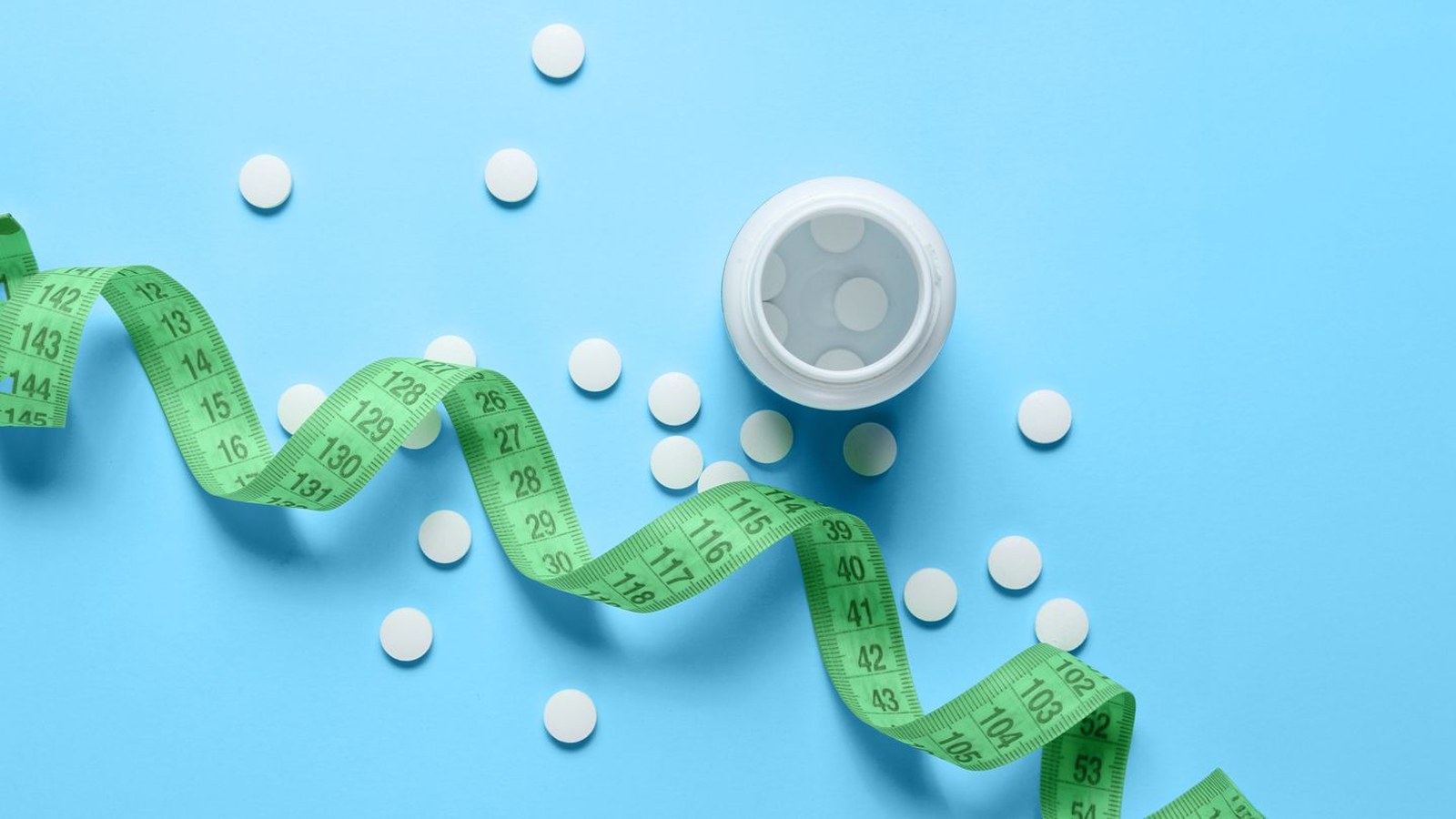
One of the biggest hurdles facing users of GLP-1 drugs is weight rebound after discontinuation. According to Everyday Health, a new oral medication called orforglipron may offer a solution. In the ATTAIN-MAINTAIN phase 3 trial by Eli Lilly, participants who switched from Wegovy or Zepbound injections to the orforglipron pill maintained almost all their lost weight over six months, while those given a placebo regained about 20 pounds. The trial focused on weight maintenance rather than further loss, marking a potential shift in obesity treatment toward sustainable results. Side effects for the new pill were similar to those of the injections—mainly nausea and diarrhea.
Approval of orforglipron is expected as soon as March 2026, and other oral GLP-1 drugs may follow even sooner. This could expand access and make ongoing treatment less intrusive, but the underlying questions remain: Should these drugs be used by people who aren’t clinically obese? Are the long-term risks worth the short-term gains? And what does it mean for a generation of women, already vulnerable to body image pressures, to be encouraged to medicate away normal aging?
The Cost—Financial, Physical, and Emotional
The financial burden is significant: private prescriptions for Wegovy or Mounjaro can cost upwards of £200 a month. But the health costs may be steeper. Nutritional therapist Emily Hohler warns that rapid weight loss often includes muscle loss, which is particularly dangerous for women in midlife, already facing a natural decline in muscle mass due to falling estrogen. Maintaining strength and fitness is critical, not only for appearance but for overall health and mobility. Some users report distressing side effects like hair thinning and chronic fatigue, while others find that once they stop the injections, the “food noise” returns with a vengeance—sometimes worse than before.
There is also the psychological toll. Many women turn to these drugs without addressing underlying emotional eating or lifestyle factors. When the medication stops, and old habits resurface, the sense of control can evaporate, leaving them feeling more out of control than ever. Hohler and other experts advocate for high-quality wholefoods, regular exercise, and sleep as the foundation of long-term health, suggesting that for those with minor weight gain, lifestyle changes can be both effective and empowering.
Some private doctors express concern that the women most likely to microdose these drugs are the same ones chasing other quick-fix treatments—lip fillers, IV vitamins, and so forth. The pursuit of pin-thin figures, even at the expense of physical and emotional health, reflects a broader cultural fixation on youth and perfection, fueled by social media filters and relentless beauty standards.
- Sources: The Independent, Everyday Health, Reuters
The story of Wegovy and GLP-1 drugs is a cautionary tale about the collision of medical innovation, social pressure, and the search for self-acceptance. While these medications offer real benefits for those with obesity, their widespread use among midlife women—driven by decades of thin-ideal messaging—raises difficult questions about safety, ethics, and what it truly means to be healthy. The arrival of new oral pills may improve convenience and sustainability, but the deeper challenge is cultural: reclaiming agency over our bodies and well-being in a world that still equates thinness with value.