
Quick Read
- GLP-1 and GIP weight loss injections (Wegovy, Saxenda, Zepbound) are FDA-approved, but many others are used off-label.
- WHO warns these drugs are not a standalone solution for obesity and are accessible to only 1 in 10 who need them.
- Counterfeit weight loss drugs are surging, with UK authorities reporting significant health risks and deaths.
- High costs and limited insurance coverage restrict access to legitimate weight loss medications.
- Social media and online marketplaces are driving unregulated and risky purchases, especially among young adults.
How Weight Loss Medication is Changing the Landscape
In 2025, weight loss medication stands at a crossroads. The surge in injectable drugs—most notably GLP-1 and GIP receptor agonists—has sparked optimism among millions wrestling with obesity. Yet, as scientific advances break ground, the realities of access, safety, and regulation are forcing health authorities, patients, and the public to reconsider what ‘breakthrough’ really means.
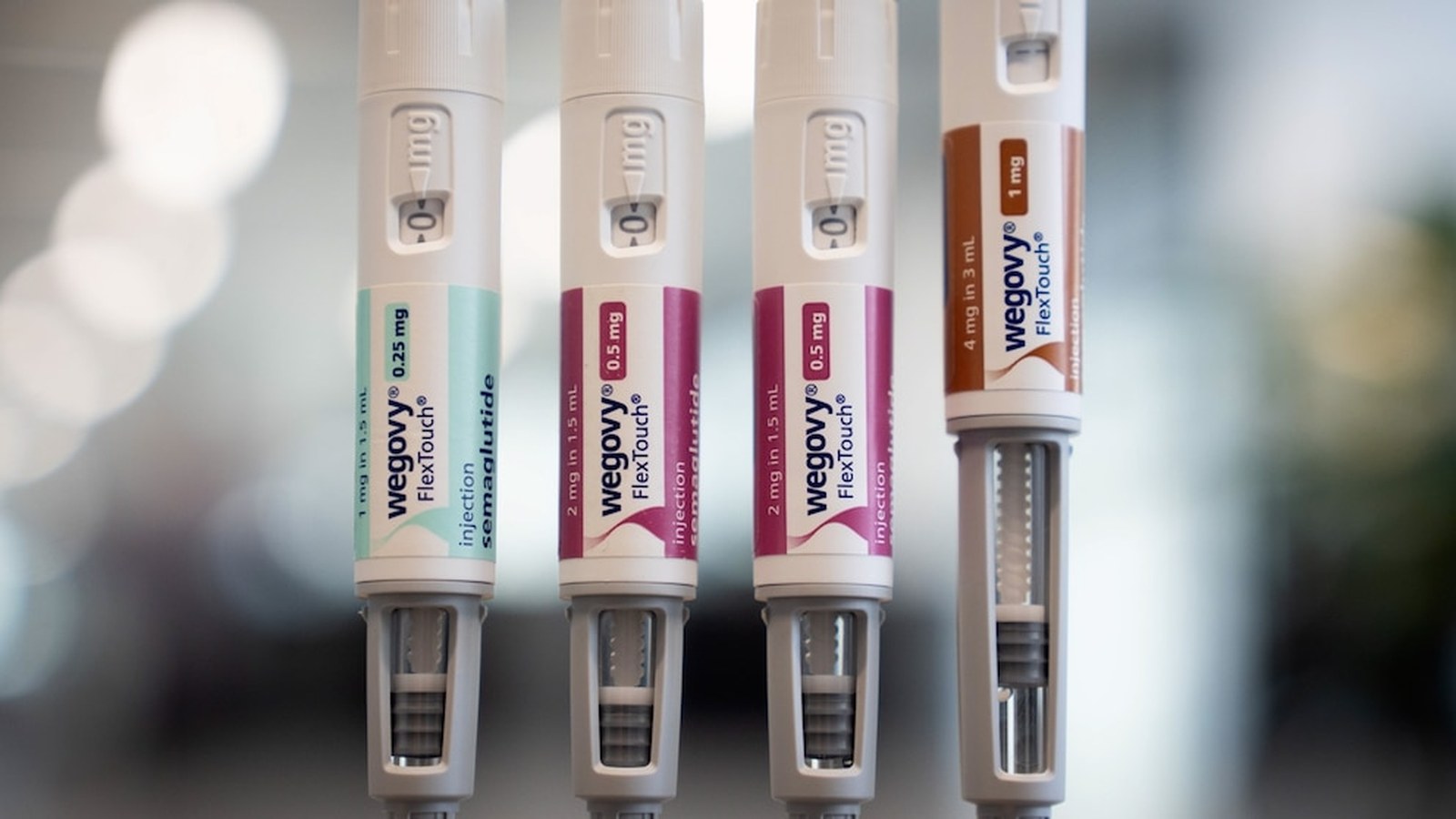
GLP-1 and GIP injections, including brands like Wegovy, Saxenda, and Zepbound, have been lauded for their ability to curb appetite, increase feelings of fullness, and support weight management. The U.S. Food and Drug Administration (FDA) has approved several for treating obesity and overweight, while others—like Ozempic and Mounjaro—are prescribed off-label for weight loss, despite their original indication for type 2 diabetes (AOL).
How Do These Medications Work?
The science behind these injectables is surprisingly straightforward. They mimic hormones produced in the gut after eating, which signal the brain to suppress appetite and enhance satiety. Semaglutide (in Ozempic and Wegovy) and liraglutide (in Saxenda and Victoza) are GLP-1 receptor agonists, while tirzepatide (in Zepbound and Mounjaro) targets both GLP-1 and GIP receptors. The dual action of tirzepatide, according to Eli Lilly, may lead to greater weight loss by influencing multiple metabolic pathways.
Clinical trials have shown impressive results: a 2022 study found that participants using Wegovy lost an average of 15.8% of their body weight over 68 weeks, compared to 6.4% for Saxenda. Tirzepatide users in another trial lost even more weight than those on semaglutide (AOL).
Side Effects and Safety Concerns
But there’s no magic bullet. Like all medications, weight loss injectables carry risks. Common side effects include nausea, diarrhea, constipation, dizziness, and headaches. More serious—though rare—complications can range from allergic reactions and pancreatitis to kidney problems and potential thyroid tumors. Certain health conditions, like type 1 diabetes, gallbladder disease, and a history of pancreatitis, may make these drugs unsuitable for some patients (AOL).
Another challenge: weight regain. Research sponsored by Novo Nordisk showed that most participants regained two-thirds of their lost weight within a year of stopping semaglutide, underscoring the importance of ongoing treatment and lifestyle changes.
The WHO’s Guidance: Not a Silver Bullet
In December 2025, the World Health Organization (WHO) released new guidelines that directly address the global excitement around GLP-1 medications. As ABC News reported, WHO cautioned that these drugs alone are not a solution to the obesity epidemic. While they offer ‘huge potential,’ only one in ten people worldwide who could benefit actually have access to them (The Guardian).
Shortages are now a pressing concern. Despite robust clinical evidence, supply chain limitations and high costs mean that most patients still rely on traditional methods—diet and exercise—that may not work for everyone. WHO emphasizes that medication should supplement, not replace, healthy lifestyle changes, and calls for greater equity in access.
Counterfeit and Unregulated Drugs: The Dark Side of Demand
As demand soars, a shadow market is thriving. According to a Digital Journal investigation, more than one in five users in the UK obtained weight loss drugs without a prescription, often through online marketplaces, social media, or even friends. Alarmingly, counterfeit ‘skinny jabs’ are flooding the market, with UK authorities describing them as ‘more dangerous than cocaine and heroin.’ In one tragic case, a Manchester mother died after receiving an illegal semaglutide injection from a beauty salon.
Data from ZAVA shows that half of UK users now turn to online pharmacies, while 16.6% buy from platforms like eBay or Amazon, and nearly 12% are influenced by social media. Young adults, especially those aged 18–24, are most at risk, with more than half knowingly purchasing unregulated or counterfeit products.
The motivations behind these risky choices are clear: desperation to lose weight quickly, impatience with medical bureaucracy, and social pressures—both from work and online communities. Many seek privacy, avoiding doctors or hiding medication use from friends and family.
Costs and Accessibility: Who Gets Help?
Brand-name weight loss injections are expensive: Ozempic costs around $1,075 per month, Wegovy and Saxenda about $1,450, Mounjaro $1,163, and Zepbound $1,170. Compounded versions—while cheaper (as low as $199/month)—aren’t FDA-approved, raising questions about safety and efficacy (AOL).
Insurance coverage remains rare, except for medications prescribed for diabetes. For many, the financial barrier is just as daunting as medical eligibility.
Alternatives and the Role of Social Media
Beyond injectables, oral medications like bupropion, metformin, topiramate, and naltrexone are sometimes used off-label for weight loss. Vitamin B-12 supplementation is also popular. However, none offer the dramatic effects of GLP-1 or GIP agonists, and side effects can still be significant.
Social media platforms have become powerful drivers, both for legitimate information and dangerous misinformation. The hashtag #Mounjaro has amassed over half a million TikTok videos, while #Wegovy tops 120,000, reflecting the trend’s viral reach. Celebrity endorsements and influencer marketing further blur the lines between medical advice and marketing hype.
What Does the Future Hold?
As we head into 2026, the conversation about weight loss medication is growing more complex. Scientific innovation is outpacing both regulation and public understanding, leaving many vulnerable to exploitation. WHO’s call for caution and equity is timely—reminding us that effective treatment must be safe, accessible, and part of a larger strategy that addresses the root causes of obesity.
Ultimately, the story of weight loss drugs in 2025 is not just about science—it’s about society. It’s about balancing hope with realism, progress with prudence, and individual needs with collective responsibility.
The emergence of powerful weight loss injectables is undeniably transforming obesity care, but the risks—especially from counterfeit and unregulated drugs—are escalating in parallel. As WHO urges, real progress demands vigilance, transparency, and the will to extend these breakthroughs beyond the privileged few.