
Quick Read
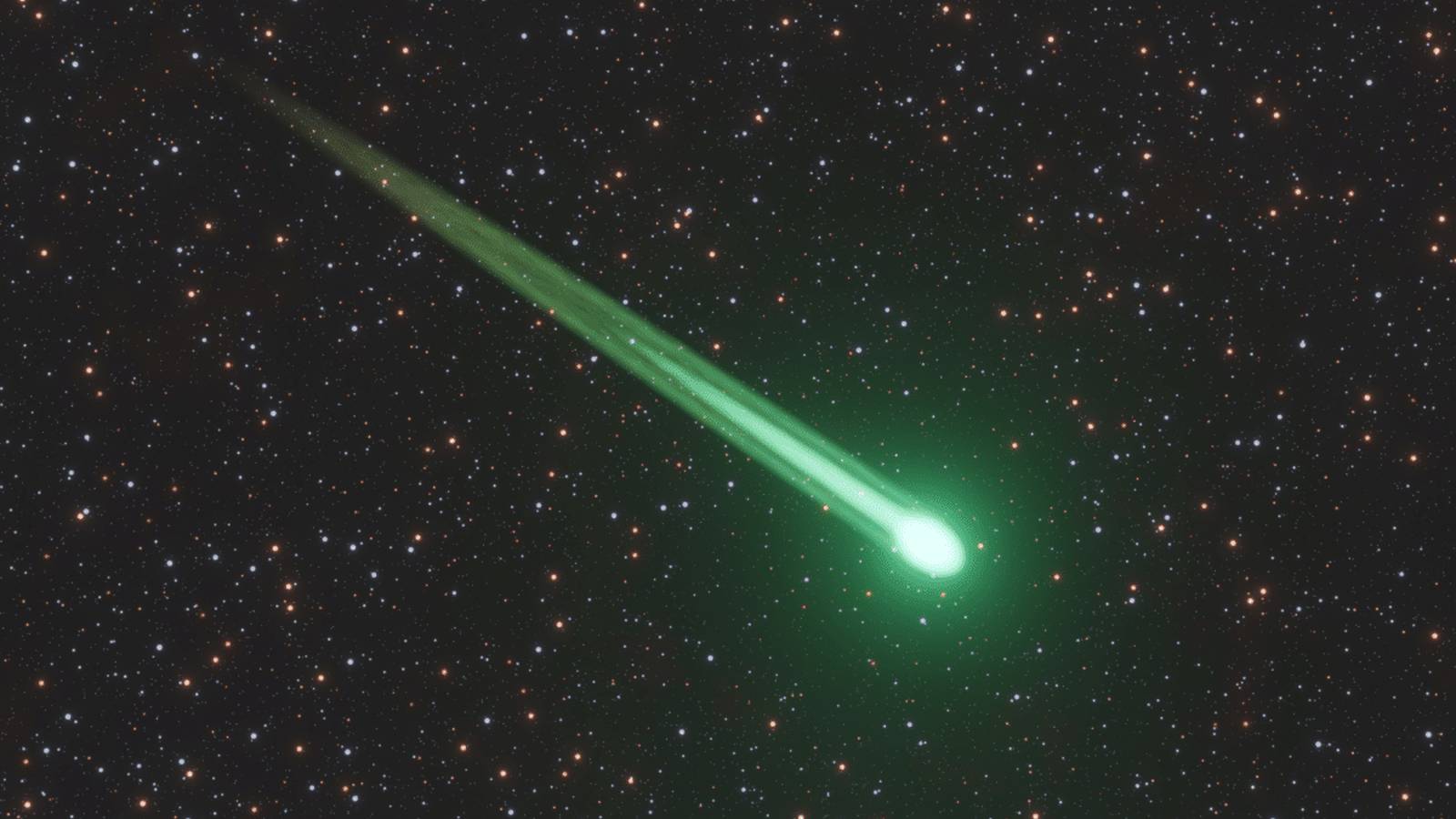
- A bright blue-green light streak was seen over Wellington, New Zealand, on January 30, 2026.
- The event was captured by webcams and reflected strikingly on Wellington Harbour’s water.
- Scientists are debating whether it was a fireball meteor or re-entering space debris.
- Initial analysis suggests it was more likely a meteor due to its sharp flare and brief duration.
- No danger, impacts, or damage were reported from the atmospheric phenomenon.
WELLINGTON (Azat TV) – A brilliant streak of light, described by witnesses as a blue-green flash, captivated residents across Wellington, New Zealand, late on Friday, January 30, 2026. The dramatic atmospheric event, which produced a long glowing trail and was reflected across Wellington Harbour, has prompted scientific investigation into its precise origin, with experts weighing the possibilities of a significant meteor or re-entering space debris.
The phenomenon was captured by webcams, including one at the Heretaunga Boating Club, and quickly circulated online, sparking widespread curiosity. For a few seconds, the night sky over Wellington became impossible to ignore, with some viewers reporting that the intense light briefly illuminated streets and living rooms. The object appeared to move almost horizontally before fading just as quickly, leaving behind a faint trail that lingered momentarily.
Wellington’s Sky Trail: A Brief, Intense Spectacle
The sudden appearance of the bright light late on January 30 drew immediate attention across New Zealand’s capital. Residents poured in sightings within minutes of the event, describing a vivid blue-green flash that cut across the sky. The spectacle was not only visible directly but also reflected strikingly on the water of Wellington Harbour, enhancing its ethereal beauty, as documented by footage from the Petone Boating Club live stream.
While brief, the intensity and unique characteristics of the light trail have made it a focal point for discussion. Observers noted its rapid movement and the way it quickly peaked in brightness before dissipating. Such events, while rare enough to feel special, are not entirely unprecedented, with astronomers globally observing similar phenomena several times a year.
Meteor or Space Debris: Unraveling the Mystery
The primary question surrounding the Wellington sky trail revolves around its identity: was it a natural meteor, often called a fireball, or a piece of human-made space debris re-entering Earth’s atmosphere? Both phenomena involve objects entering the atmosphere at extreme speeds, heating up rapidly, and producing intense light. However, there are subtle differences that help scientists distinguish between them.
According to analysis, a meteor, or fireball, typically exhibits a sudden, intense flare that peaks quickly, appearing very fast and sometimes vanishing in seconds, usually with a single bright head and a clean tail. Space debris re-entries, while also bright, can sometimes appear more sustained, fragment into multiple glowing pieces, and leave a longer burn with visible breakup. In the case of the Wellington sighting, the sharp flare, clean trail, and brief duration point more strongly toward a fireball meteor – a larger-than-average space rock burning up high above Earth, as reported by Swikblog.
The Broader Context of Space Debris Concerns
While the Wellington event leans towards a natural meteor, the debate highlights a growing global concern regarding space debris, often termed “space junk.” This debris includes discarded satellites, rocket parts, and other materials left behind from human activity in space. As more satellites and rockets are launched, the amount of space debris increases, raising the risk of collisions that can generate even more fragments.
The study of meteors and space debris is a critical field within astronomy and aerospace science, essential for both scientific research and public safety. While some space debris burns up harmlessly upon re-entry, larger pieces can survive the fall and reach the ground. However, authorities have confirmed there was no indication of danger from the Wellington event, with no impacts or damage reported, and no alerts issued to the public.
The increasing frequency of high-quality public recordings of atmospheric phenomena, thanks to widespread webcams and social media, offers scientists unprecedented data points for analyzing events like the Wellington sky trail. This accessibility not only fuels public engagement but also provides valuable insights into both natural celestial occurrences and the growing issue of human-generated space junk.