
Quick Read
- Wendell Smallwood Jr. sentenced to 18 months in federal prison for COVID-19 relief fraud.
- Fraud schemes totaled $645,000, including fake PPP and EIDL loan applications and false IRS filings.
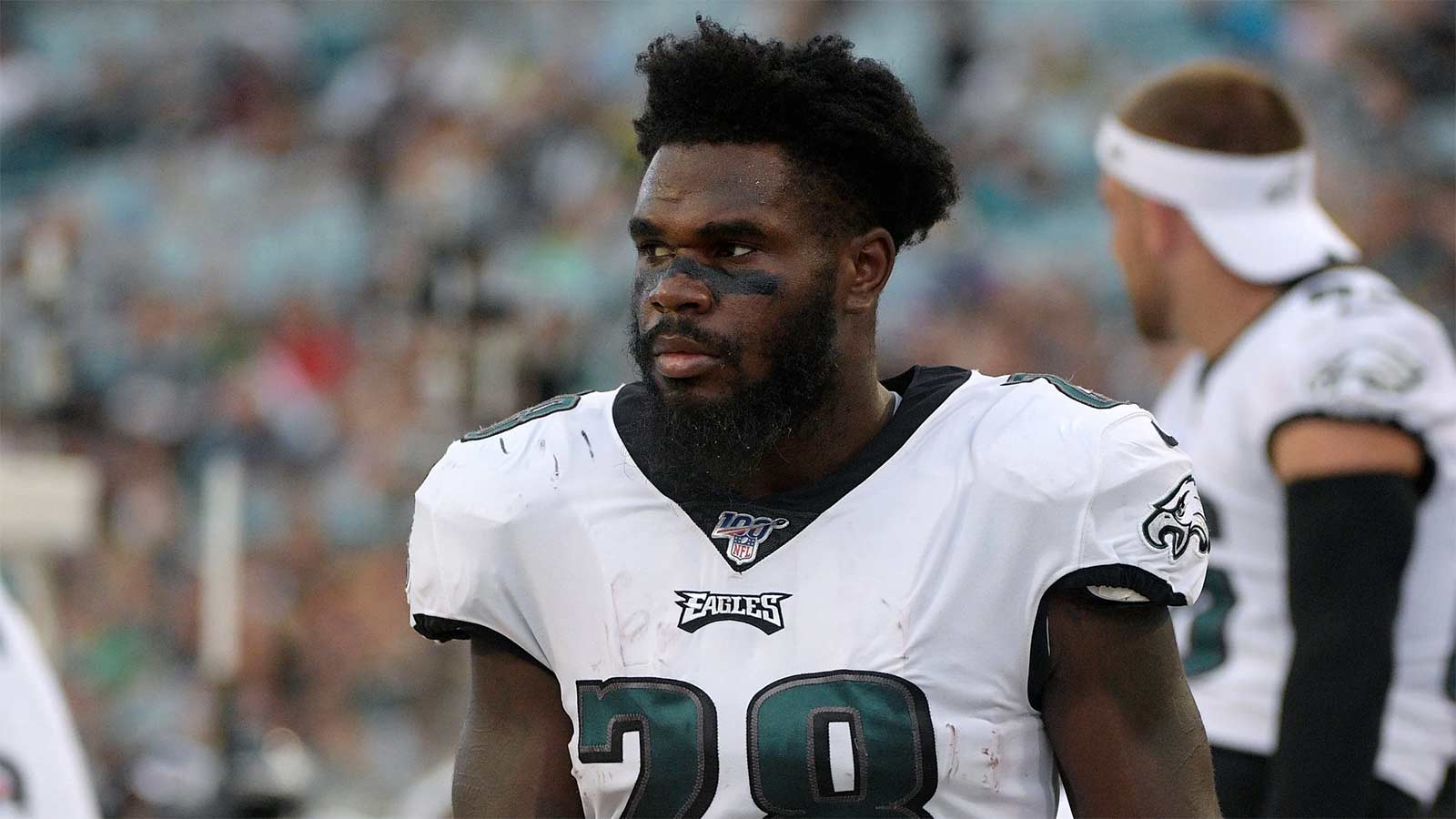
- Smallwood played for the Philadelphia Eagles, winning a Super Bowl in 2017.
- He faces additional weapons charges in New Jersey.
- Ordered to repay the full amount stolen; sentence begins December after university coursework.
From Super Bowl Glory to Federal Prison: The Rise and Fall of Wendell Smallwood
Wendell Smallwood Jr.’s journey began in Wilmington, Delaware—a city known for its tough neighborhoods and tight-knit communities. For Smallwood, football was more than a sport; it was a way out. Drafted by the Philadelphia Eagles as the 153rd overall pick in 2016, he fulfilled a childhood dream, becoming part of the team that delivered Philadelphia its first Super Bowl title in 2017. But the arc of his story would take a turn few could have predicted.
The NFL Years: Promise, Triumph, and Sudden Exit
Smallwood’s time in the NFL was marked by flashes of potential and moments of triumph. After three seasons with the Eagles, including that historic Super Bowl win, his career seemed on an upward trajectory. Yet, by 2019, as the team cut down its roster to the league’s 53-player limit, Smallwood found himself on the outside looking in. Brief stints with Washington and Pittsburgh followed, but the magic was gone. The career that had once seemed limitless was now teetering on the edge of obscurity.
Turning Point: Pandemic-Era Fraud and Federal Charges
When football no longer provided a path forward, Smallwood’s life veered into dangerous territory. Between 2020 and 2023, federal prosecutors say, he masterminded a series of schemes that defrauded the government of $645,000. These weren’t isolated incidents. Smallwood submitted fraudulent applications for Paycheck Protection Program (PPP) loans, Economic Injury Disaster Loans, and filed bogus tax returns with the IRS. According to WHYY.org, he recruited others to help file fake claims, took kickbacks, and funneled money through shell companies. The operation was deliberate, calculated, and spanned years.
When federal agents raided Smallwood’s New Jersey home in 2023, the investigation uncovered not only financial wrongdoing but also a cache of assault-style weapons and high-capacity magazines—serious charges that remain pending. The scale of the fraud and the breadth of his involvement painted a stark picture of a man who had lost his way.
The Sentencing: Accountability and Remorse in the Courtroom
On September 18, 2025, Smallwood stood before Judge Richard G. Andrews in a Delaware courtroom. The gravity of his actions was not lost on him. “I feel like I let the community down. I let my family down,” he told the judge. “I have nobody to blame but myself.” His attorney pleaded for leniency, citing Smallwood’s troubled upbringing and his volunteer work with Wilmington’s Police Athletic League. But prosecutors emphasized the deliberate and sustained nature of the fraud, arguing that his actions demanded real consequences.
The judge ultimately sentenced Smallwood to 18 months in federal prison—less than the 33 months sought by the government, but still a significant punishment. In addition to his prison term, Smallwood was ordered to repay the $645,000 he stole. According to the Delaware News Journal, Smallwood, who earned roughly $3 million over six NFL seasons, will begin serving his sentence in December, after he completes coursework at West Virginia University, where he is majoring in criminology—a poignant irony given the charges against him.
The Broader Impact: Community, Reputation, and Lessons Learned
Smallwood’s story is a cautionary tale, not just for athletes but for anyone who finds themselves at a crossroads. The pandemic era saw a surge in fraud as relief programs rolled out quickly, often with limited oversight. Smallwood’s case is emblematic of how individuals exploited these vulnerabilities. Yet, it’s also a reminder of the lasting impact such actions have—not just on the government or taxpayers, but on families, communities, and personal legacies.
Smallwood’s admission of guilt and expression of remorse in court offered a glimpse of a man wrestling with the consequences of his choices. The NFL community, particularly in Philadelphia and Wilmington, felt the sting of disappointment. For fans who watched him take the field and for young athletes who looked up to him, the outcome was a sobering reminder of how quickly fortunes can change.
Looking Ahead: Redemption, Restitution, and Unanswered Questions
As Smallwood prepares to serve his sentence, questions linger. Can he rebuild his life after prison? Will his education in criminology provide a path toward making amends? What will become of the pending weapons charges in New Jersey? For now, Smallwood’s story stands as a complex chapter—one that began with promise, veered into criminality, and now faces the hard reality of accountability.
Federal investigators continue to scrutinize pandemic-era fraud, seeking to recover lost funds and hold perpetrators accountable. Smallwood’s case, while dramatic, is part of a much larger tapestry of post-pandemic enforcement. For communities in Delaware and beyond, the hope is that lessons will be learned and that support structures can help prevent similar downfalls in the future.
Smallwood’s sentencing underscores the human cost of fraud—how ambition, desperation, and circumstance can collide to reshape a life. It’s a stark reminder that personal choices carry consequences, not just for the individual, but for entire communities.