


The Intersection of Narrative and Record
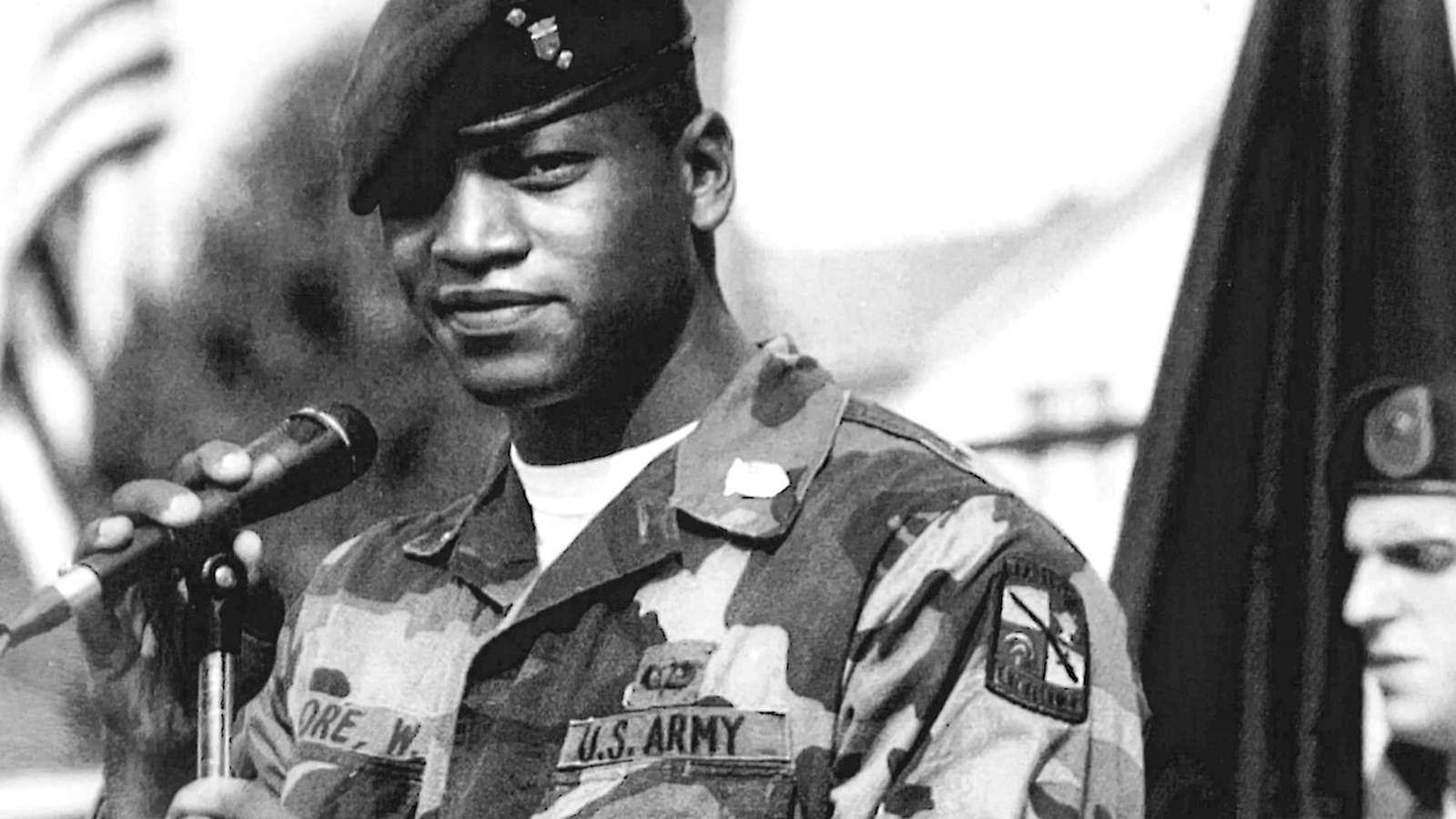
Maryland Governor Wes Moore, widely regarded as a prospective 2028 presidential candidate, is facing intensive scrutiny regarding the accuracy of his public accounts of his military service. Reporting from The Baltimore Banner highlights that while Moore’s actual service record remains undisputed, discrepancies between his published memoirs and the factual timeline of his deployment have provided fuel for political opponents.
At the center of the controversy is a passage in Moore’s 2015 book, The Work: Searching for a Life That Matters, in which he describes mourning the death of 1st Sgt. Tobias “Toby” Meister during his grandfather’s funeral. Records confirm, however, that Meister died 11 days after the funeral. Moore has attributed these inaccuracies to the fog of war, the effects of trauma, and poor editorial oversight, acknowledging that he prioritized the emotional truth of his experience over strict chronological precision.
Political Stakes and Institutional Pressure
The scrutiny is occurring within a broader, often contentious media environment in Maryland. Moore and his staff have dismissed much of the criticism as a bad-faith effort by conservative media outlets, including those owned by Sinclair Broadcast Group executive David Smith, to undermine his political integrity. For a governor whose brand is built on his identity as a combat veteran and Rhodes scholar, the stakes are high.
The controversy touches upon a recurring theme in American politics: the embellishment or misremembering of service records. While Moore has faced prior criticism—such as a 2024 New York Times report regarding a mistaken claim of a Bronze Star on a fellowship application—his supporters point to his verifiable service as an information operations officer with the 82nd Airborne as evidence of a distinguished, if non-traditional, career.
Analysis: The Cost of Storytelling
The challenge for Moore is not that his service was fabricated, but that his storytelling has outpaced his records. In political life, where the “narrative” serves as the foundation for public trust, the blurring of lines between memoir and factual reporting creates vulnerabilities. By attempting to construct a cohesive, cathartic arc of loss and duty, Moore has inadvertently invited investigations into the minutiae of his deployment.
As he eyes a national run, the “collateral damage” of these revelations is a shift in focus from his policy achievements in Maryland to the integrity of his personal history. The necessity of providing military records to the press suggests that the governor is now in a defensive posture, attempting to balance the demands of transparency with the desire to protect a hard-earned reputation of service.