
Quick Read
- The $10.2 billion West Gate Tunnel opens Sunday, providing a key alternative to the West Gate Bridge.
- Tunnel expected to carry 67,000 vehicles daily and remove 28,000 trucks from Melbourne’s inner west.
- Tolls start at $4.09 for cars, with additional charges for peak hour CBD exits; all tolls increase January 1.
- Travel through the tunnel is free on weekends in January as a thank-you to local residents.
- Truck curfews and extra tolls introduced to address community concerns about traffic and safety.
West Gate Tunnel: Melbourne’s Long-Awaited Highway Finally Arrives
After years of anticipation, frustration, and debate, Melbourne’s $10.2 billion West Gate Tunnel is set to open to traffic on Sunday, marking a watershed moment for Victoria’s transport infrastructure. Designed as a vital alternative to the aging West Gate Bridge, the tunnel promises relief for tens of thousands of motorists and a reprieve for families in Melbourne’s inner west, long plagued by relentless truck traffic and congestion.
What the Tunnel Promises: Congestion Relief and Safer Streets
The West Gate Tunnel isn’t just another road—it’s a mega-highway, stretching 6.8 kilometres underground and spanning 9.2 kilometres of elevated roads and flyovers. Linking Melbourne’s west directly to the CBD, it’s expected to carry 67,000 vehicles daily and remove 28,000 trucks from the bridge and surrounding streets. As Premier Jacinta Allan notes, this project aims to be more than a fix for motorists. “Families in the inner west will feel the difference too. The tunnels will remove 9000 trucks a day from local streets through new no-truck zones, creating safer, quieter neighbourhoods.”
For drivers, the tunnel promises time savings of up to 20 minutes on commutes from Melbourne’s west or Geelong. Yet, every shortcut comes with a price: a trip through the tunnel costs $4.09 for a car and $6.54 for a ute or van—rising sharply during morning peak hours if drivers exit into the CBD’s west. Heavy vehicles face daily tolls up to $178, with a grace period before local road curfew violations are fined.
The Cost of Convenience: Tolls, Free Weekends, and Who Pays
The tolling giant Transurban, which pitched the tunnel to the Andrews government back in 2014, is funding $6.1 billion of construction in exchange for operating tolls and a lucrative 10-year extension to its CityLink contract, potentially netting billions in additional revenue through 2045. For residents and motorists who endured years of dust, detours, and construction chaos, there’s a small thank-you: travel through the tunnel will be free on weekends throughout January.
Toll costs are layered—drivers heading from the tunnel onto CityLink toward the airport, for instance, will pay $10.63. All tolls are set to rise on January 1, raising questions about long-term affordability for frequent commuters and freight operators.
Delays, Disputes, and Doubts: The Journey to Opening
Major construction began in early 2018, with completion originally scheduled for September 2022. But the project hit multiple roadblocks, including the discovery of toxic soil and a legal showdown between the state government, Transurban, and builders. These setbacks pushed the budget up by $3.4 billion and tested the patience of local communities. The tunnel stretches from the West Gate Freeway in Yarraville to CityLink in Docklands, reshaping the city’s transport landscape.
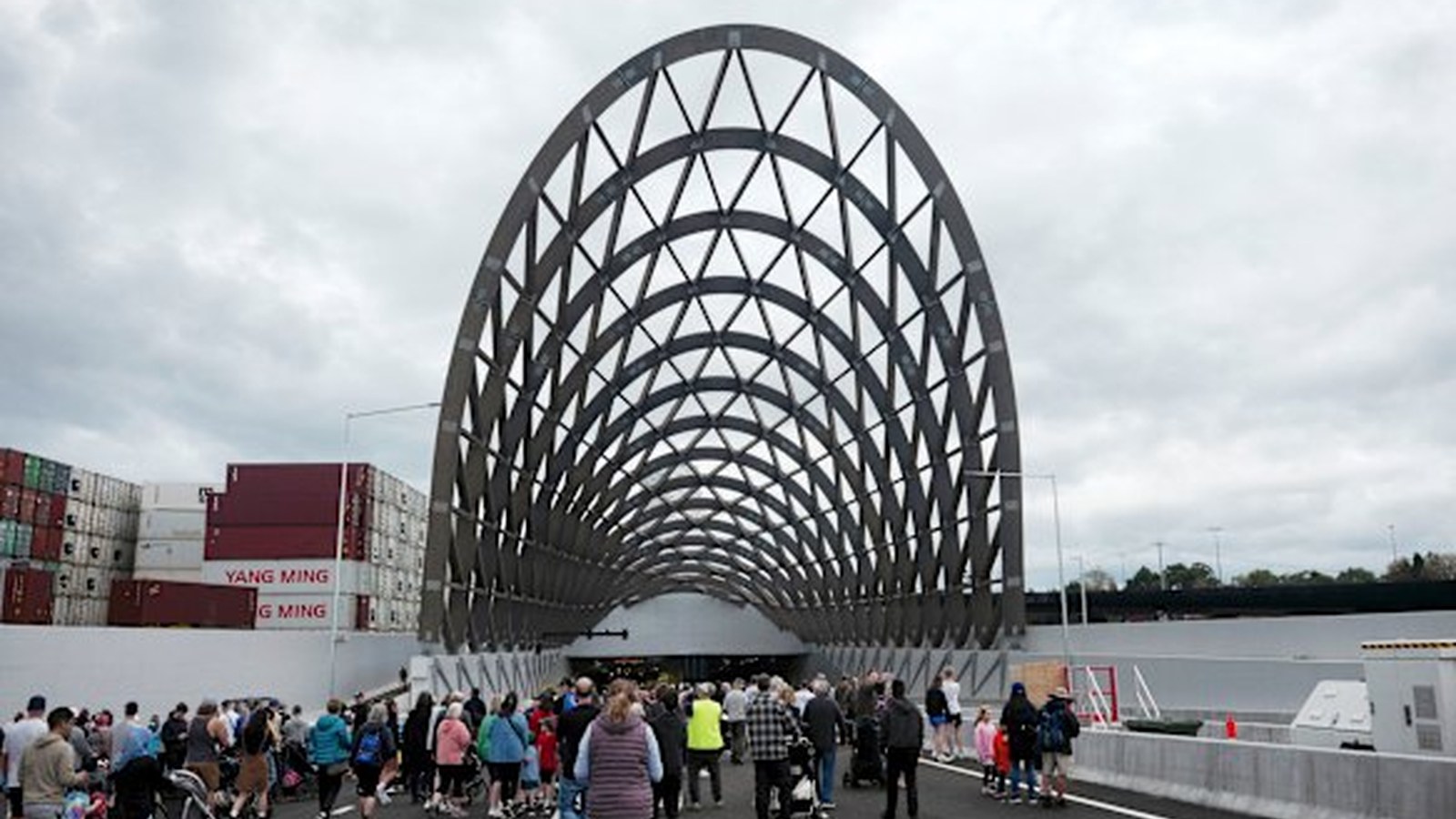
Last month, over 50,000 people attended the West Gate Tunnel Discovery Day—a testament to the project’s significance and the public’s curiosity about what’s changed beneath their city.
Community Impact: Truck Curfews, Local Skepticism, and Liveability Questions
While officials tout the tunnel’s capacity to divert trucks and reduce noise, not everyone is convinced. Residents, especially in the city’s west, remain sceptical about whether the promised reductions in heavy vehicle traffic will materialize. The government recently announced new curfews, banning trucks from Williamstown Road between 8pm and 6am, and from Friday evenings until Monday mornings. This move came in response to modelling that suggested truck traffic on Williamstown Road could double by 2031, despite the new infrastructure.
Other areas, including West Melbourne, North Melbourne, and Docklands, are bracing for significant increases in traffic as drivers seek faster routes to the CBD. To discourage congestion in these inner suburbs, additional tolls will apply for exits into Footscray Road, Wurundjeri Way, and Dynon Road during weekday morning peaks—$6.54 for cars and $10.47 for utes and vans.
It’s a delicate balancing act: the tunnel offers relief to some, but may shift pressure to others, raising broader questions about urban liveability, equitable infrastructure, and the limits of engineering solutions in a growing metropolis.
As the city prepares for the tunnel’s grand opening, the mood is a mix of relief, hope, and cautious scrutiny. Years of disruption have tested local patience, but the promise of safer streets, faster commutes, and less truck traffic is a powerful draw. Whether these benefits endure—and whether the tunnel reshapes Melbourne for the better—will be judged not just in the coming months, but in the years ahead.
Viewed through the lens of Melbourne’s evolving transport needs, the West Gate Tunnel is both an engineering triumph and a social experiment. Its opening marks a milestone, but its true value will be measured in the everyday experiences of commuters and residents—proof that infrastructure, at its best, is not just about moving vehicles, but about shaping lives.