
Quick Read
- Dr Billy Ralph’s tweets questioned mask efficacy and asymptomatic Covid transmission.
- He called parents who vaccinated children ‘vile individuals’ in social media posts.
- The Medical Council inquiry focuses on breaches of professional conduct rules.
- The case highlights challenges regulating doctors’ online speech amid public health crises.
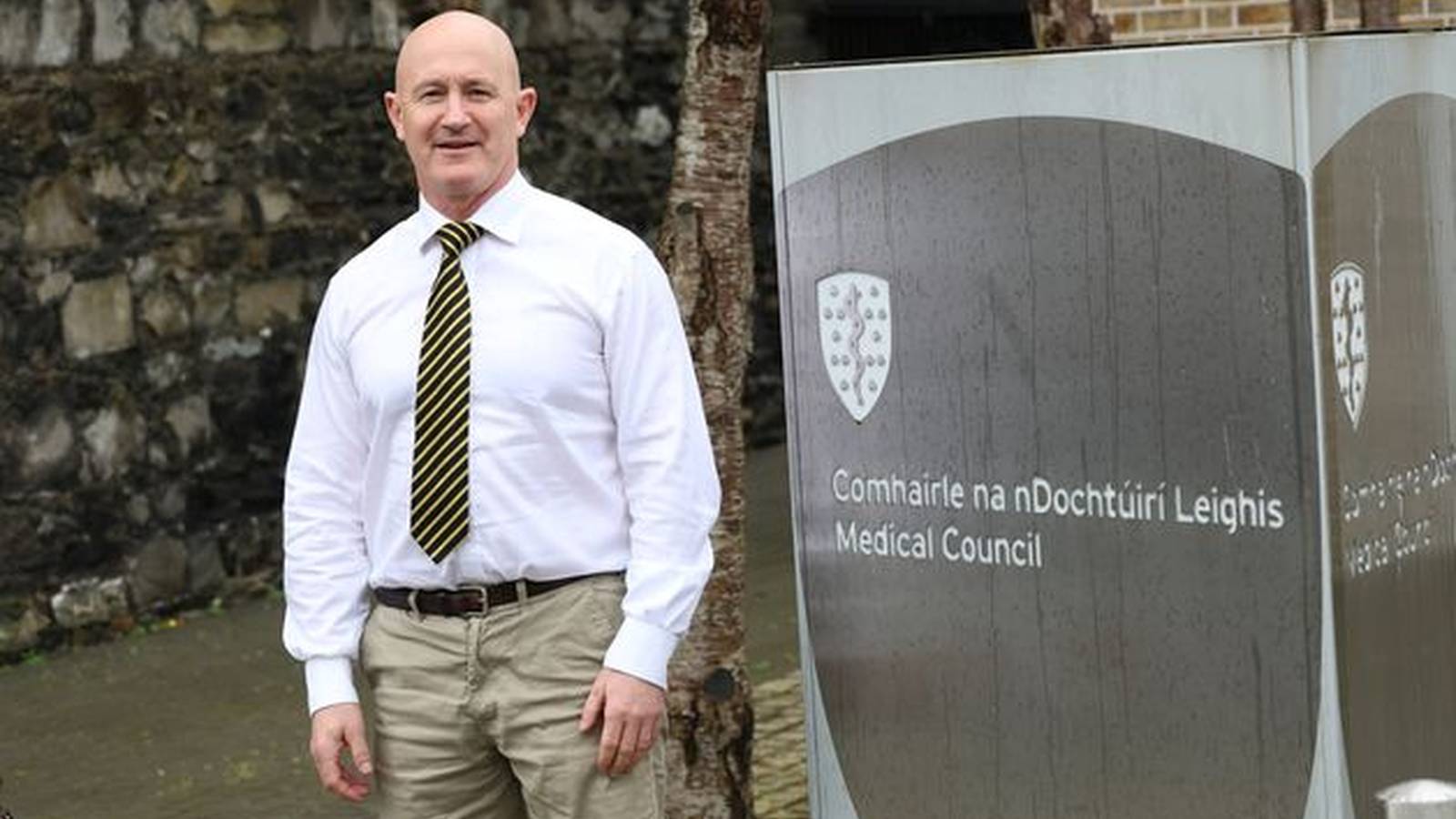
WEXFORD (Azat TV) – Dr William “Billy” Ralph, a general practitioner at Ballagh Health Centre in Enniscorthy, County Wexford, is currently facing a Medical Council fitness-to-practise inquiry on allegations that his social media posts during the Covid-19 pandemic undermined public health guidelines. The inquiry, held on March 24-25, 2026, focuses on tweets posted by Dr Ralph between October 2020 and June 2022, which criticized government measures including mask mandates, vaccination policies for children, and lockdowns, while promoting unapproved treatments such as ivermectin.
Allegations Against Wexford GP Billy Ralph Regarding Covid-19 Social Media Posts
The Medical Council’s inquiry revealed that Dr Ralph’s social media activity included claims that masks were ineffective and challenged the existence of asymptomatic transmission of the virus. He publicly opposed school masking policies and voiced strong objections to vaccinating children against Covid-19. One of the tweets cited in the hearing stated, “Masks neither protect the wearer nor other ppl around them. This has been proven. Just as Asymptomatic transmission is not a thing. So what’s the point of masking kids OR teachers? All about control. Not about health.” Another tweet expressed refusal to vaccinate children with what he described as an “untried product,” highlighting his 27 years of practice as a benchmark against the Covid vaccines for children.
In addition to these posts, Dr Ralph reportedly promoted ivermectin as a treatment for Covid-19, despite it being approved only for parasitic infections. The Medical Council argued that these posts breached professional conduct guidelines, particularly concerning the responsible use of social media by registered medical practitioners.
‘Vile Individuals’: Controversial Language Targets Parents Who Vaccinated Children
The inquiry also examined more contentious language used by Dr Ralph, including his description of parents who consented to vaccinate their children as “vile individuals.” This comment has drawn particular attention as it raises questions about the balance between a doctor’s personal opinions and their professional responsibilities. The Medical Council framed the issue as one of potential professional misconduct, emphasizing that the allegations pertain to public commentary rather than clinical care.
Medical Council Inquiry Highlights Challenges of Regulating Doctors’ Online Conduct
The hearing, which included attendance by Dr Ralph’s legal support and several of his supporters, is ongoing. The Medical Council must decide whether the social media posts, taken collectively, constitute breaches of the Guide to Professional Conduct and Ethics for Registered Medical Practitioners. The suspension of Dr Ralph’s social media account and the absence of any clinical complaints were noted as contextual factors, but the focus remains squarely on professional standards.
Experts and observers acknowledge the case underscores the regulatory challenge of managing doctors’ public statements in the age of social media. It raises critical questions about how disciplinary frameworks adapt when posts are deleted or accounts suspended, and how far a doctor can publicly dissent from official health guidance without facing professional consequences.
The inquiry’s outcome may set a significant precedent for the expectations of medical professionals’ conduct online, especially regarding contentious public health issues. The Medical Council’s forthcoming decisions will clarify how social media activity is balanced against professional ethics and public trust in healthcare providers.
The Wexford GP’s case illustrates the complex intersection between medical professionalism and individual expression in digital spaces, spotlighting the evolving standards that govern how doctors engage with public health discourse outside clinical settings.