
Quick Read
- Approximately 75,000 residents ordered to evacuate in Skagit and Whatcom counties due to record-breaking river levels.
- The Nooksack River and Skagit River both expected to reach historic flood stages, threatening multiple communities.
- Emergency shelters opened across the region, but officials warn there may not be enough capacity for all evacuees.
- National Guard deployed, hospitals and clinics adapting operations to ensure patient safety.
- Residents urged to prepare Go Bags and heed all evacuation orders without delay.
Record Floods Prompt Widespread Evacuations in Whatcom County
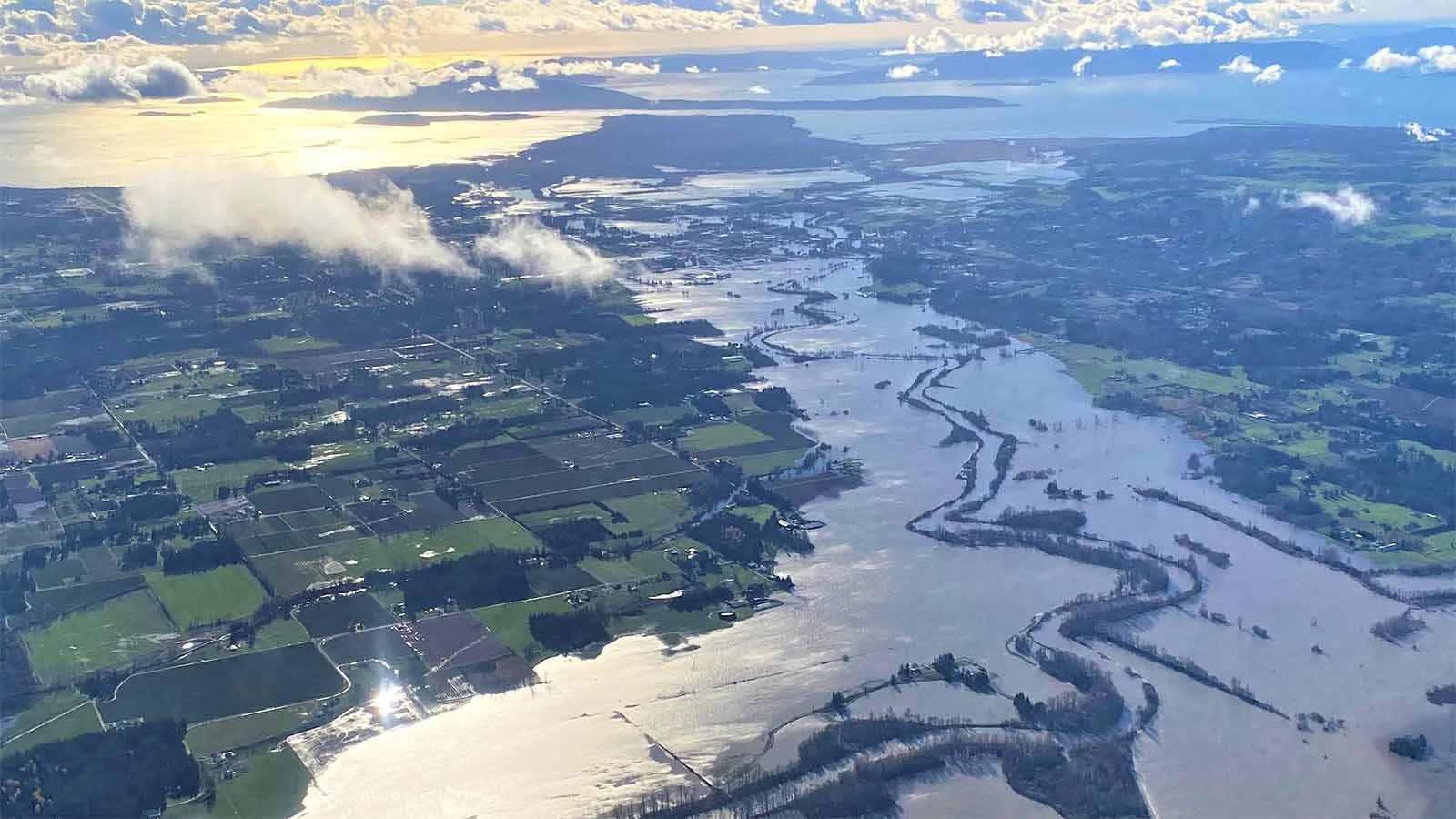
In the early days of December 2025, Whatcom County, Washington, found itself at the epicenter of a crisis that few residents had ever witnessed before. Relentless rainfall—forecasted and then realized—sent rivers surging toward record-breaking crests. As the Nooksack River approached major flood stage and the Skagit River threatened to reach heights unseen in living memory, emergency officials issued urgent evacuation orders that rippled through communities from Everson to Sumas and beyond.
By Wednesday night, the warnings were no longer hypothetical. The National Weather Service had issued a flash flood watch for Whatcom and Skagit counties, and local officials moved swiftly: “Everyone living in the 100-year floodplain should be prepared for an evacuation notice within the next 24 hours,” authorities announced. For many, that notice came sooner rather than later.
The numbers told a stark story. In Skagit County alone, approximately 75,000 people were asked to evacuate—many from communities just north of Whatcom, but the threat extended across the entire region. In Whatcom County, the South Fork Nooksack River at Saxon Bridge was expected to crest at more than 10 feet, a level considered major flooding. In North Cedarville, the river was projected to reach over 150 feet. These were not abstract figures; for those living near the water, every foot mattered.
Communities Mobilize: Shelters, Sandbags, and Stories of Resilience
With the waters rising, the response was immediate and deeply human. Volunteers in Everson and Sumas braved the rain to fill sandbags, distributing them for free to anyone in need. Lines of cars snaked out of public works yards, drivers waiting patiently for their turn, everyone doing their part to stave off the worst.
Emergency shelters sprang up in churches and schools across the region. The Red Cross, while stretched thin, worked with local officials to open facilities at Bethany Covenant Church, First United Methodist Church, and Hamilton First Baptist Church, among others. In Ferndale, the Severe Weather Shelter at United Church of Ferndale opened its doors, offering not just shelter but hot meals and a sense of community in a time of anxiety.
Yet the sheer scale of the crisis tested resources. Mount Vernon Fire Chief Bryan Harris acknowledged the reality: “We want people to go to friends or family or hotels to get out of the floodplain. We know that is not enough space for everybody… there is not enough resources to put those people.” The Red Cross echoed this, noting that the situation was in flux and that they were bringing in volunteers and supplies from out of state as quickly as possible.
Local businesses and residents stepped up, too. Gabriel Mercado, owner of District Brewing in downtown Mount Vernon, piled sandbags high at his doors, hoping that the flood walls would hold. Nearby, National Guard troops—activated by Governor Bob Ferguson—prepared to assist wherever needed. “It’s not a matter of if we flood, it’s a matter of where and when,” said Jeremy Holmes, a local resident and Guardsman, capturing a sentiment familiar to many in the valley.
Officials and Emergency Teams: Navigating an Unprecedented Challenge
Leadership at all levels responded with urgency. Governor Ferguson declared a statewide emergency, requesting expedited federal assistance. The National Guard mobilized hundreds of troops, poised to help with evacuations and rescues. County and tribal officials signed emergency proclamations, unlocking resources and cutting through red tape to get help where it was most needed.
Hospitals, clinics, and essential services adapted rapidly. United General Medical Center in Sedro-Woolley began transitioning inpatients to safer locations. Some clinics closed, while others maintained operations with contingency plans in place. The PeaceHealth hospital network and Western Washington University closely monitored the situation, prepared to respond as conditions evolved.
Infrastructure, too, came under stress. Power outages left hundreds in the dark around Bellingham. Parks, piers, and public spaces were closed as floodwaters rose. Roads were shut down, isolating some communities and complicating efforts to deliver aid or evacuate those in harm’s way.
Personal Preparedness: What Residents Needed to Know—and Do
For many, the difference between safety and danger came down to preparation. Emergency experts urged everyone in the floodplain to have a Go Bag ready, packed with essentials: nonperishable food and water, medications, cash, clothing, flashlights, personal documents, and more. The message was clear—do not wait until the last moment to act.
Local governments provided resources, from sand and sandbags to up-to-date maps of the 100-year floodplain. Residents were encouraged to check these maps, heed evacuation notices, and, above all, not to risk driving through floodwaters. As one farmer in Lynden put it, “Flooding just makes a lot more work, and it’s wet doing it.” The sentiment, though understated, reflected a deep well of experience and resilience.
In Sumas, the city government’s message was stark: with floodwaters imminent, evacuation routes would soon close. Residents were told to alert family and neighbors, shut off utilities, and bring emergency supplies. For those unable to evacuate, officials maintained a list and offered assistance—underscoring the collective approach to safety.
Looking Forward: The Road to Recovery
As rivers crested and the rain continued, the immediate focus remained on survival and safety. But the conversations already turned to recovery. Federal and state resources would be critical, as would community solidarity. The scars of the flood—physical and emotional—would take time to heal.
Senator Maria Cantwell’s words on social media captured the gravity: “This is not just another flood.” It was, for many, a test of not just infrastructure, but of the collective spirit. And while the water would eventually recede, the memory—and the lessons—would linger much longer.
Assessment: The historic floods in Whatcom County are a stark reminder of both nature’s unpredictability and the power of community. Faced with unprecedented water levels, ordinary people—neighbors, volunteers, officials—rose to meet the challenge, sometimes improvising, always persevering. While the immediate crisis is far from over, the response thus far has been marked by resilience, cooperation, and a clear-eyed recognition that recovery will require sustained effort and support at every level.