
Quick Read
- Candy Montgomery was acquitted of Betty Gore’s murder in 1980 after claiming self-defense.
- She relocated to Georgia, changed her name to Candace Wheeler, and now works as a family counselor.
- Netflix’s ‘Love & Death’ (2025) reignited public interest in her case and current whereabouts.
- Montgomery has lived privately for over 40 years and her exact location remains unconfirmed.
Candy Montgomery: From Suburban Housewife to True Crime Infamy
In the patchwork of American true crime, few stories have haunted the public imagination quite like that of Candy Montgomery. Her name resurfaced with a jolt in 2025, as Netflix’s miniseries Love & Death brought the harrowing events of June 13, 1980, back into global conversation. But what has become of the woman at the center of one of Texas’s most infamous murder trials? Where is Candy Montgomery now?
The 1980 Murder That Stunned a Community
On a hot Friday the 13th in Wylie, Texas, a quiet suburb was shattered by violence. Betty Gore, a 30-year-old schoolteacher and mother, was found dead in her home—struck 41 times with a wood-splitting axe. The killer, as it turned out, was her friend and fellow church member, Candy Montgomery. The motive? A tangled web of friendship, betrayal, and a secret affair between Candy and Betty’s husband, Allan Gore (red94.net).
The brutality of the crime sent shockwaves through the community. How could an ordinary housewife, known for her friendly demeanor, commit such an act of violence? Investigators were perplexed, even questioning whether Candy could have physically delivered the fatal blows, given her smaller stature compared to Betty. But the evidence was clear, and the case quickly became a media sensation.
The Trial and the Controversial Acquittal
As the trial unfolded in October 1980, the courtroom drama gripped the nation. Candy Montgomery did not deny killing Betty Gore. Instead, she took the stand herself, recounting a desperate struggle that, according to her testimony, erupted into violence after Betty confronted her about the affair. Candy claimed she acted in self-defense, a narrative her defense attorneys pressed with determination.
After just three hours of deliberation, the jury delivered a verdict that would become one of the most controversial in Texas history: not guilty. The acquittal stunned the public. Many struggled to reconcile the facts—a woman had died in a horrific manner, and her admitted killer walked free. The verdict would later be dissected in law schools and true crime circles alike, raising difficult questions about self-defense, jury psychology, and the limits of reasonable doubt.
Life After Acquittal: A New Identity in Georgia
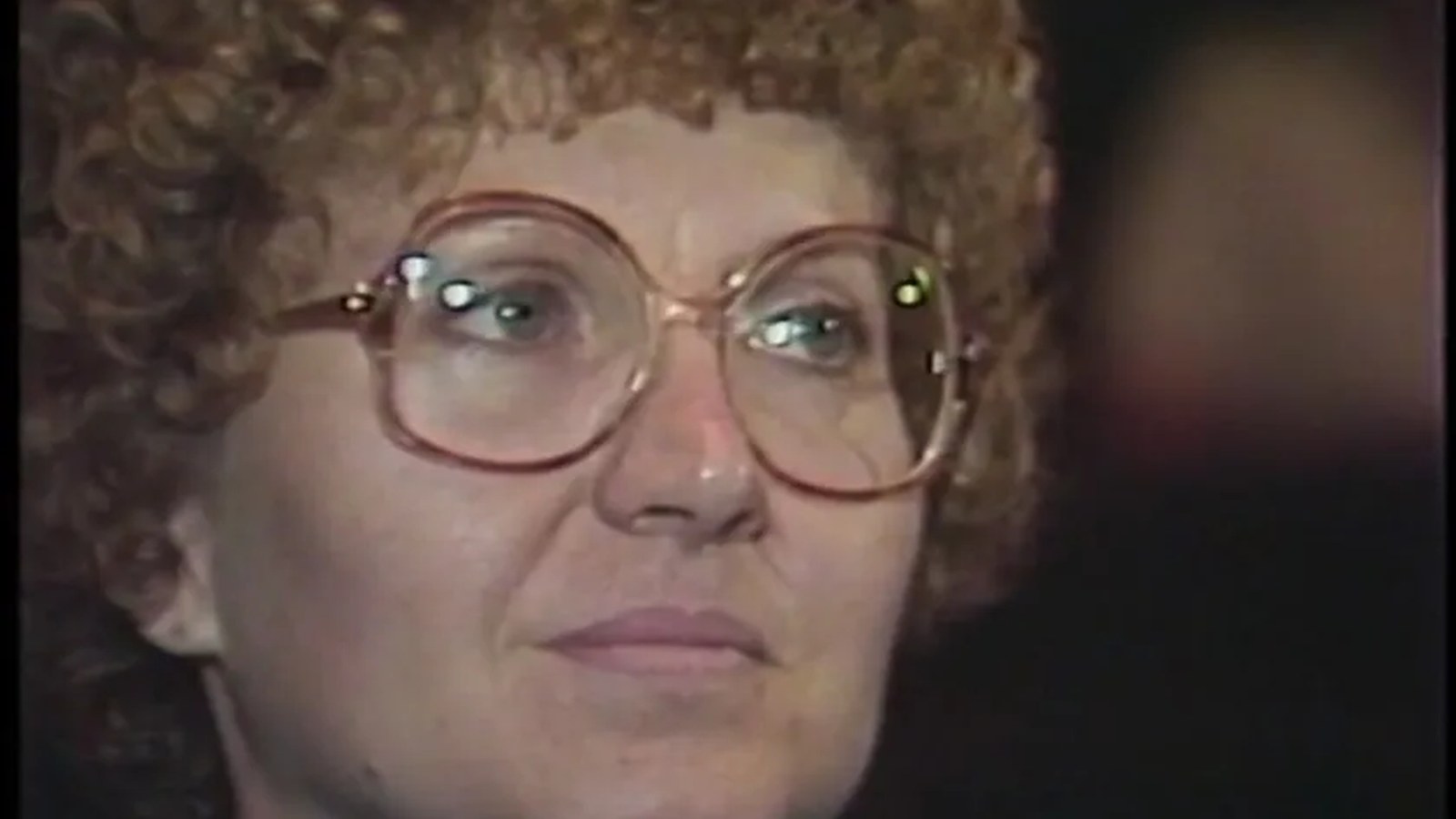
Acquitted but not absolved in the court of public opinion, Candy Montgomery and her family left Texas behind. They relocated to Georgia, where Candy could escape the relentless scrutiny that followed her in Wylie. There, she adopted her maiden name, Candace Wheeler, and began building a new life from the ashes of the past.
For decades, Montgomery has maintained a deliberate distance from the public eye. Reports indicate that she works as a certified family counselor and mental health worker—a striking career choice given her history. She and her husband Pat eventually separated, though the details remain private. Now in her mid-70s, Candy continues to live in Georgia, quietly navigating life far from the notoriety that once defined her.
Her exact whereabouts remain unconfirmed by official records, a testament to how fiercely she has guarded her privacy. The Montgomery family’s move to Georgia, where her parents lived, represented not just a change of scenery but an attempt at a fresh start—a chapter away from headlines and neighborhood whispers.
Netflix’s ‘Love & Death’: Resurrecting a Sensational Case
The release of Netflix’s Love & Death in December 2025 has reignited global fascination with the Montgomery case. Starring Elizabeth Olsen as Candy, Jesse Plemons as Allan Gore, and Lily Rabe as Betty Gore, the miniseries delves into the ordinariness of suburban life and the extraordinary violence lurking beneath. Created by David E. Kelley and directed by Lesli Linka Glatter, the series dramatizes not just the crime, but the psychological and societal pressures facing women in 1980s America.
The show’s depiction of the trial and aftermath is meticulous, forcing viewers to grapple with uncomfortable questions: What drives a person to such extremes? How does a community process the horror of betrayal from within? And how does a legal system decide who deserves punishment, and who gets a second chance?
As Love & Death climbs the streaming charts, interest in Candy Montgomery’s current life has spiked. For a woman who has spent over 40 years avoiding the spotlight, the renewed attention is a double-edged sword—validating the public’s enduring curiosity, but threatening the quiet existence she has so carefully cultivated.
The Ongoing Legacy and Public Fascination
Candy Montgomery’s story remains a lightning rod in American culture: an ordinary woman thrust into extraordinary circumstances, her actions dissected by courts, media, and now, millions of viewers worldwide. Despite decades of silence, her life is once again a subject of public intrigue.
The true crime genre thrives on such paradoxes—ordinary settings, unimaginable violence, and the unanswerable question of why. Montgomery’s journey from Wylie, Texas to Georgia, from accused killer to counselor, encapsulates the tensions and contradictions at the heart of the American legal and cultural landscape.
As of 2025, Candy Montgomery reportedly continues to reside in Georgia, her privacy shielded by time and discretion. Whether she will remain there as the media spotlight intensifies is uncertain. What is clear, however, is that her story—once thought to be buried in the past—has found new life in the age of streaming, ensuring that the questions it raises will not soon fade from public consciousness.
The resurgence of interest in Candy Montgomery’s life underscores the enduring impact of the Betty Gore case—not just as a sensational crime, but as a mirror reflecting societal anxieties about justice, gender, and the hidden complexities of ordinary lives. As true crime continues to captivate audiences, the line between private redemption and public scrutiny grows ever thinner.