


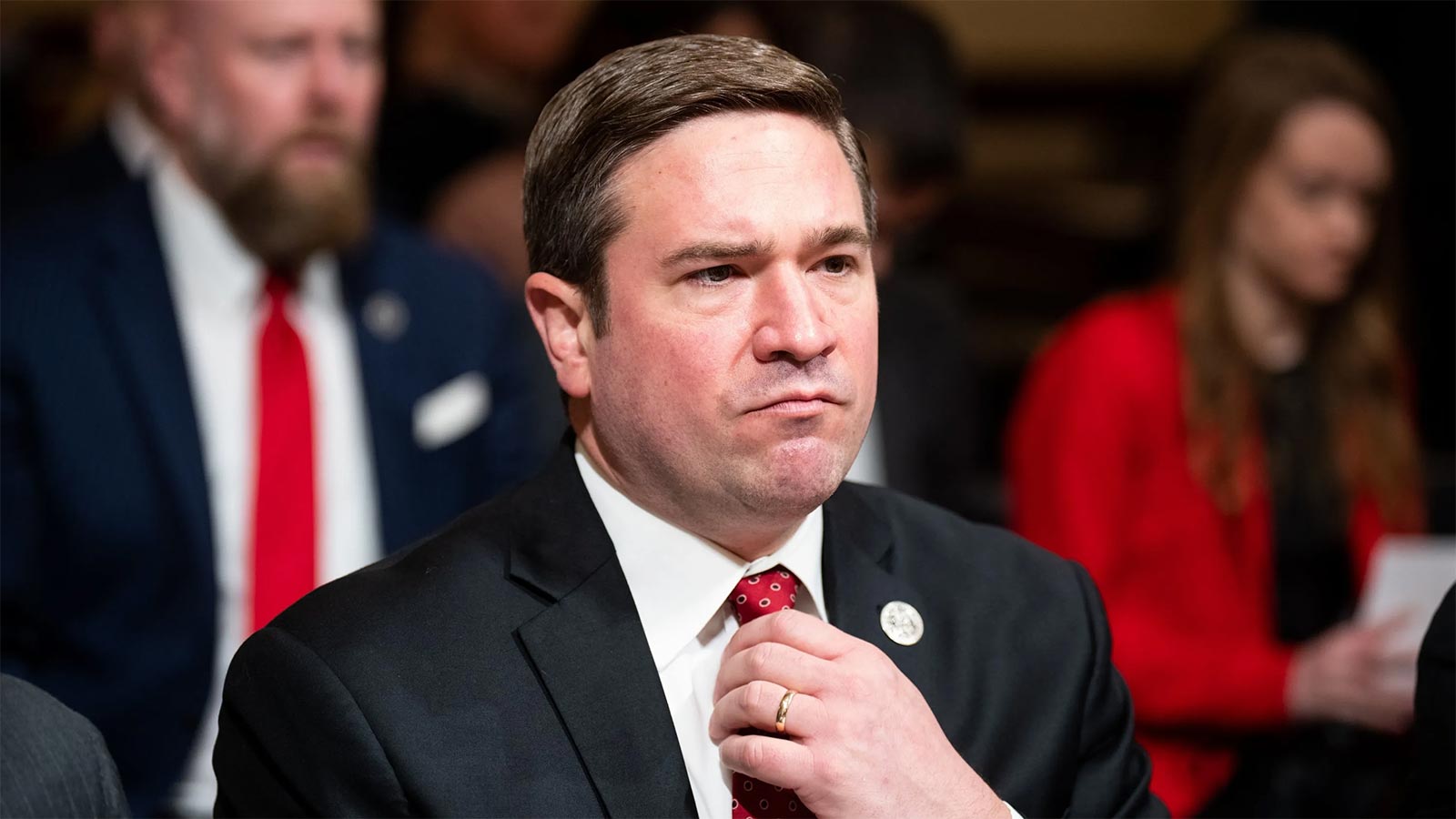
Andrew Bailey: The Man Behind the Headlines
In the corridors of Washington, where power shifts are both sudden and consequential, Andrew Bailey’s name is echoing with growing frequency. As the current deputy director of the FBI, Bailey has found himself thrust into the limelight amid reports that President Donald Trump is considering him for the top job at the bureau—a move that would mark a significant reshuffle at one of America’s most critical law enforcement agencies.
Why Is Bailey in the Spotlight?
The speculation surrounding Bailey’s potential promotion is rooted in the controversies dogging current FBI Director Kash Patel. According to multiple media sources, including Hindustan Times, Patel’s use of FBI resources—most notably, deploying an agency jet to ferry his girlfriend Alexis Wilkins to a wrestling event, a trip allegedly costing $60 million—has sparked internal and public criticism. Further, Patel’s decision to assign SWAT teams for his girlfriend’s protection added fuel to the fire, raising questions about propriety and resource allocation at the highest levels of the FBI.
These revelations, which have made headlines in recent weeks, reportedly unsettled the Trump administration. Sources cited by MN Now suggest that the White House is unhappy with Patel’s management, prompting a search for alternatives. While a spokesperson for the administration has publicly defended Patel as a “critical member of the President’s team,” the whispers about Bailey’s candidacy have only grown louder.
Who Is Andrew Bailey?
Andrew Bailey is not a household name—at least not yet. But for those following the internal dynamics of federal law enforcement, his resume is impressive. Bailey is a Republican attorney, a US Army veteran, and someone who joined the Trump administration earlier in 2025 as the FBI’s deputy director. His background in both law and military service has earned him respect among colleagues and political allies alike.
At 44, Bailey brings both experience and a fresh perspective to the bureau’s leadership. Hailing from Massachusetts, he represents a blend of legal acumen and operational discipline—traits often prized in the upper echelons of national security organizations. It’s this combination that has reportedly made him an attractive option for the administration as it grapples with the fallout from the Patel controversies.
Inside the Trump Administration’s Calculus
Leadership changes at the FBI are never simple. The agency’s role at the intersection of law enforcement, intelligence, and politics means that every personnel move is scrutinized for its broader implications. In Bailey’s case, the administration’s consideration appears to be driven by a desire to restore public trust and internal order following Patel’s headline-grabbing decisions.
Yet, the process is not without its complications. While Bailey is being considered, no official announcement has been made. The White House continues to deny that Patel’s position is in immediate jeopardy, emphasizing his ongoing efforts to “restore integrity to the FBI.” Nevertheless, the narrative persists, with political observers and insiders speculating about how Bailey’s ascension might reshape the agency’s direction.
For Bailey himself, the moment is both an opportunity and a challenge. If he is tapped for the directorship, he will inherit an agency under scrutiny—not just from lawmakers and the media, but from its own rank and file. The questions swirling around resource allocation, the appropriate use of force, and the public image of the FBI will be his to answer.
Looking Ahead: What Would Bailey Bring to the FBI?
While Bailey’s tenure as deputy director is still relatively recent, his track record suggests a commitment to discipline and procedure. Colleagues describe him as methodical, fair-minded, and unafraid to confront difficult issues head-on. His experience as a US Army veteran offers a perspective shaped by service and accountability—a potential asset in an agency often buffeted by political winds.
Should Bailey be appointed director, he would face immediate challenges: repairing the FBI’s reputation, navigating the aftermath of the Patel controversies, and reinforcing the agency’s core mission. His ability to do so will depend not only on his own skills but also on the support he garners within the administration and the bureau itself.
It’s worth noting, too, that Bailey’s rise would mark a significant moment for the agency. In recent years, the FBI has been at the center of national debates about law enforcement, civil rights, and political interference. As director, Bailey would be tasked with steering the bureau through these turbulent waters, balancing the demands of the job with the expectations of a divided public.
What We Know—and What Comes Next
For now, the story of Andrew Bailey is still unfolding. The Trump administration has not made a final decision, and Patel remains in his role, despite the controversies. Yet the fact that Bailey is being discussed as a possible replacement underscores both the seriousness of the situation and the high stakes involved.
As with many leadership transitions in Washington, the outcome will hinge on a complex mix of political calculation, public perception, and internal agency dynamics. Bailey’s background as a Republican attorney and Army veteran positions him as a steady hand—someone who could, in theory, help guide the FBI through a period of uncertainty.
Whether he ultimately steps into the director’s office or continues as deputy, Bailey’s influence on the bureau is likely to grow. Observers will be watching closely for any signals from the White House and for how the agency responds to the ongoing scrutiny.
In the end, the unfolding saga is more than just a personnel matter—it’s a reflection of the challenges facing American law enforcement at a time of heightened public scrutiny and political polarization. For Andrew Bailey, the road ahead is uncertain, but the moment is undeniably significant.
Andrew Bailey’s emergence as a potential FBI director highlights the ongoing tensions and complexities within America’s law enforcement leadership. While his background and reputation make him a strong candidate, the final decision will reflect not only the administration’s priorities but also the broader challenges confronting the FBI. The coming weeks may prove pivotal for both Bailey and the agency he may soon lead.