
Quick Read
- A Reuters investigation claims Banksy legally changed his name to David Jones in 2008 to evade identification.
- Banksy’s legal team has denied the accuracy of the report, citing the need for anonymity to protect the artist’s freedom of expression.
- The ongoing speculation over the artist’s identity continues to fuel debates regarding whether Banksy is a lone creator or a collective brand.
The David Jones Connection: A New Chapter in the Banksy Mystery
The long-standing enigma surrounding the identity of the world’s most famous street artist, Banksy, has been thrust back into the spotlight following a rigorous investigation by Reuters. The report, which surfaced on March 18, 2026, claims to have traced the artist to a specific individual who has spent nearly two decades operating under a shroud of carefully constructed aliases. According to investigators, the artist—long suspected to be Bristol-born Robin Gunningham—legally adopted the name David Jones in 2008 to maintain his anonymity while navigating international borders and art markets.
This latest disclosure, which utilizes forensic links to travel records in Ukraine and historical arrest documentation, suggests that the artist has utilized the extreme commonality of the name “David Jones” to hide in plain sight. While the revelation has dominated art world headlines, the reaction from the artist’s camp has been swift and dismissive. Legal counsel for the artist, Mark Stephens, explicitly rejected the validity of many claims within the enquiry, characterizing the pursuit as a violation of privacy that exposes the artist to potential safety risks.
The Stakes of Anonymity and Artistic Legacy
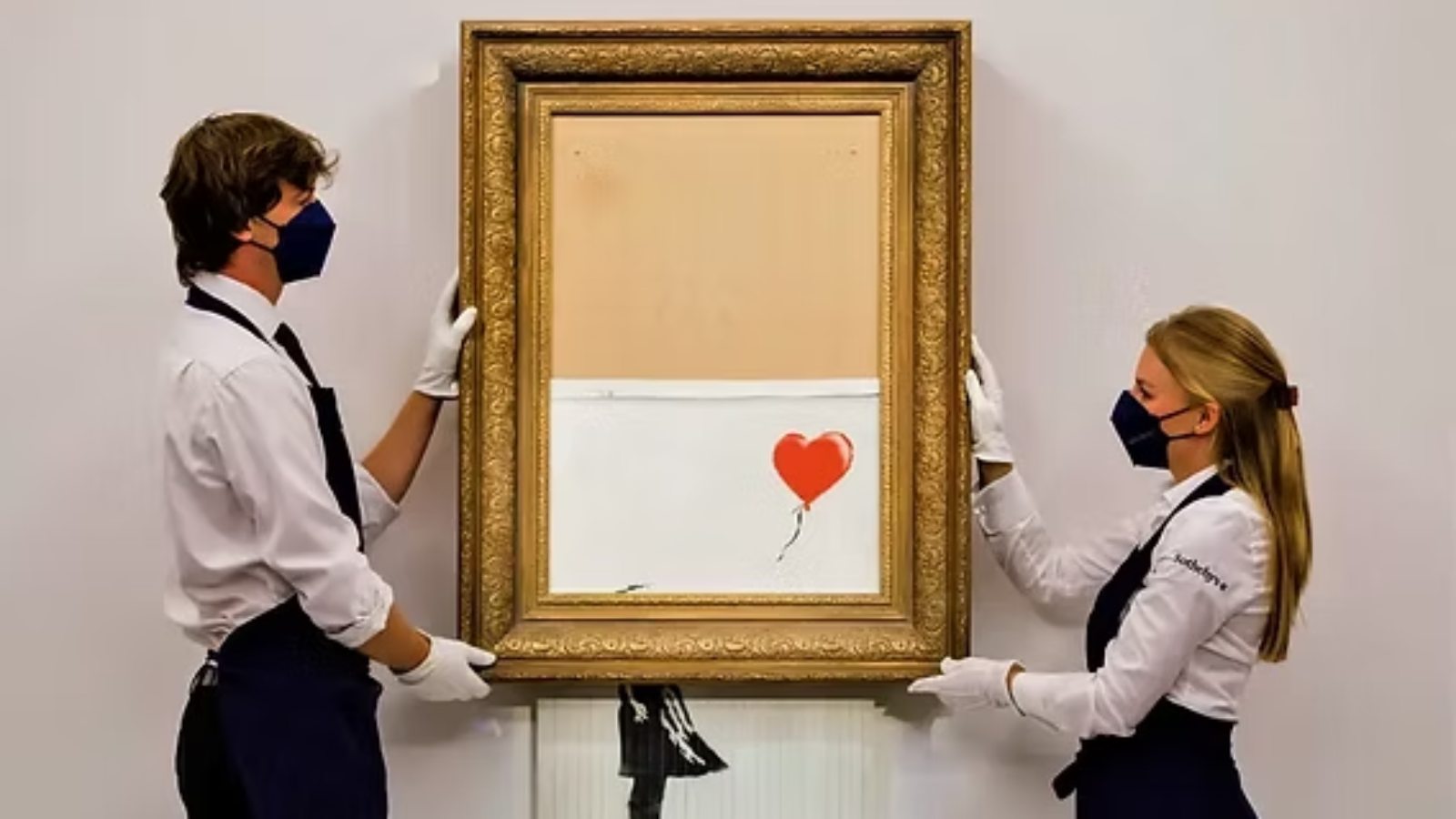
The ongoing push to unmask the figure behind works like Girl With Balloon carries significant weight for the multi-million dollar market that surrounds his portfolio. Banksy’s brand is intrinsically tied to his identity as a guerrilla artist who operates outside the conventional constraints of the law and the art establishment. Industry experts note that if the artist were definitively identified, the shift from a mythic, anonymous entity to a legally traceable individual could fundamentally alter the perception of his work, which often relies on the subversion of authority.
Despite the findings, many within the artist’s inner circle, including prominent figures like John Nation, have dismissed the report as a “farcical” attempt to stitch together disparate threads of evidence. The debate has also reignited the “two-person theory,” with skeptics arguing that the complexity and volume of the artist’s global output suggest a collective effort rather than the work of a single individual. This theory posits that “Banksy” may function more as a collaborative project or a brand maintained by a team of enablers, rather than a lone genius operating in isolation.
Why the Mystery Persists in 2026
The persistence of the Banksy myth in an era of hyper-surveillance is a point of academic and cultural fascination. As noted by portrait artist Jonathan Yeo, the artist’s ability to remain hidden since the early 2000s is a historical anomaly. The recent investigation highlights that even as digital tracking and facial recognition technologies have advanced, the artist has successfully utilized corporate entities and physical disguises—such as high-visibility construction gear—to evade scrutiny.
The sustained intensity of the hunt for Banksy’s identity reflects a broader societal obsession with provenance and the commodification of mystery, yet the artist’s ability to maintain this firewall suggests that the value of his work is now less about the person behind the spray can and more about the cultural infrastructure that has been built to protect the brand itself.