
Quick Read
- Whoopi Goldberg says hosting ‘The View’ feels more adult than standup comedy.
- Goldberg occasionally returns to standup, but finds live TV demands more responsibility.
- She and Joy Behar both started as standup comics before joining daytime TV.
- Goldberg highlights the difference: standup is playful, ‘The View’ is about real dialogue.
Whoopi Goldberg’s Honest Take: ‘The View’ vs. Standup Comedy
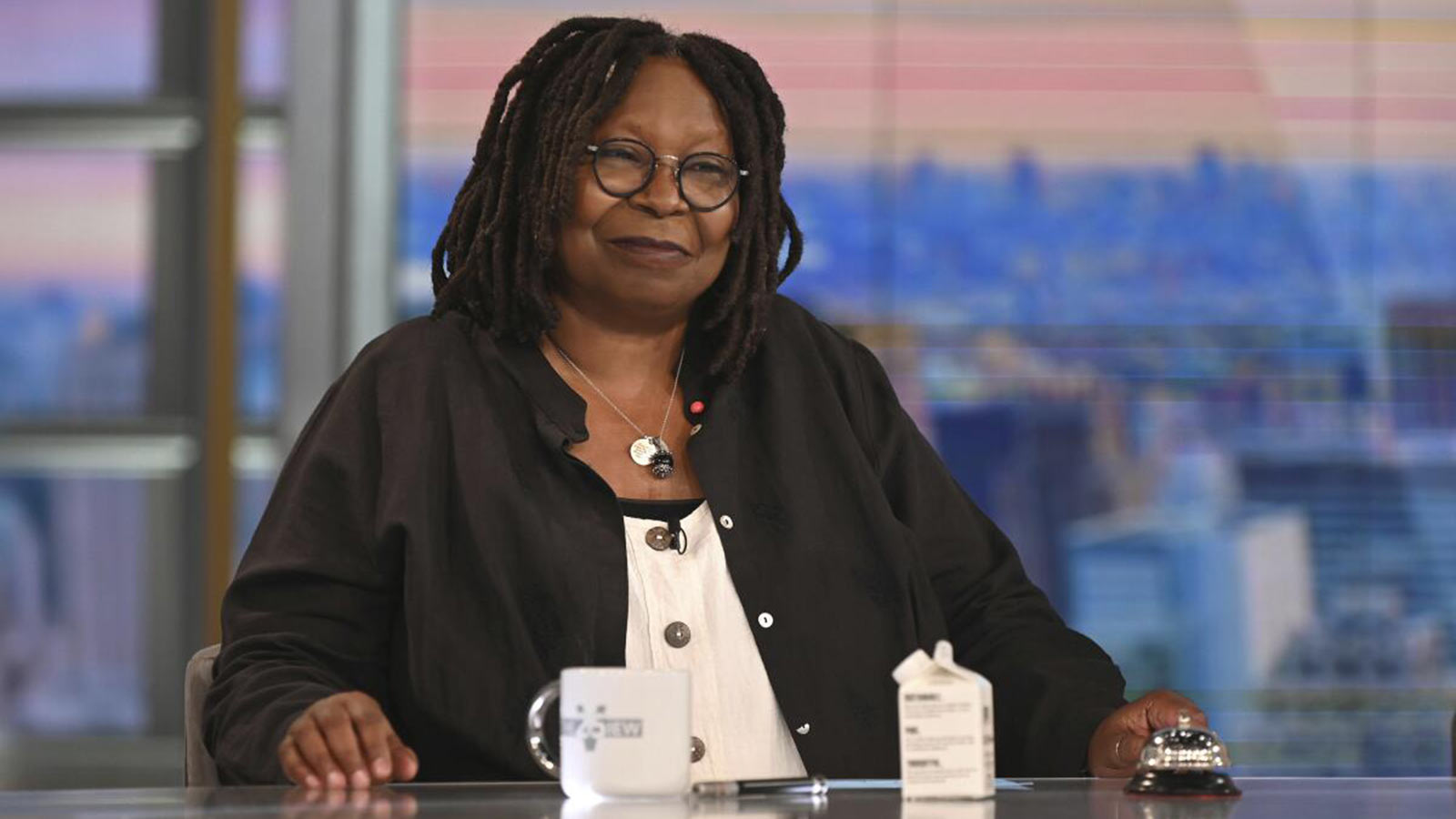
On a brisk December morning in 2025, the set of The View buzzed with its usual, unfiltered energy. Yet, beneath the surface of daytime television’s familiar rhythm, Whoopi Goldberg offered viewers a rare glimpse into what sets this talk show apart from her long history on the standup stage. As she shared her thoughts during the final live episode before the holiday hiatus, Goldberg’s words struck a chord—not just with her co-hosts, but with anyone who’s ever wondered what really happens behind the scenes of one of America’s most enduring talk shows.
The Hot Topics Table: More Than Just Conversation
Goldberg, joined by comedian Kumail Nanjiani and fellow host Joy Behar, found herself reflecting on the fundamental differences between standup and daytime TV. Nanjiani, fresh off his Golden Globe-nominated standup special, Night Thoughts, recounted his own return to standup during the 2023 actors’ strike—a move that resonated with Goldberg and Behar, both of whom began their careers in comedy clubs.
“How does it feel?” Nanjiani asked, prompting Goldberg to pause. Her reply was candid: “Weird. I did that. Here, you’re an adult. You get to be a kid.”
It’s a line that lingers, inviting viewers to consider the paradox at the heart of daytime TV: the freedom to speak your mind, balanced against the responsibility of shaping public conversation. On The View, Goldberg and her colleagues tackle everything from pop culture to politics, but the stakes are different from those of a late-night comedy set. The audience is broader, the topics more varied—and the impact, arguably, more lasting.
Why ‘The View’ Feels Like Adulthood
Goldberg’s assessment of The View as a space for adults isn’t just about the show’s content. It’s about the environment: the daily routine of live television, the expectation to engage thoughtfully, and the need to address complex issues without the protective shield of scripted jokes. Onstage in a comedy club, the goal is laughter. On The View, it’s dialogue—sometimes uncomfortable, always real.
This distinction isn’t lost on Goldberg. “You get to be a kid,” she said, referring to the creative playfulness of standup. In that world, comedians can riff, improvise, and push boundaries with little consequence. But the daytime format demands something more: a willingness to listen, to negotiate, to respond to breaking news with empathy and insight.
For Goldberg, the show’s adult atmosphere is shaped by its immediacy. Every weekday morning, she goes live not just as a performer, but as a participant in the national conversation. The issues are urgent—whether it’s the latest political controversy, cultural debate, or personal story. The panel’s chemistry is unpredictable, sometimes tense, sometimes joyful, but always grounded in the reality of the moment.
Legacy, Laughter, and Responsibility
Goldberg and Behar’s journey from standup comedy to daytime television illustrates a broader truth about the evolution of entertainment. Where once the stage offered comedians a platform for personal expression, the talk show format demands public accountability. There’s less room for evasion, more need for directness.
On the morning in question, Goldberg’s exchange with Nanjiani encapsulated what makes The View unique. It’s not just a place for opinions; it’s a space for growth. The show’s hosts are expected to confront difficult topics, navigate disagreements, and model respectful discourse for millions of viewers. In Goldberg’s words, it’s a form of adulthood—one that requires maturity, resilience, and a willingness to learn.
For fans of The View, this honesty is part of the show’s enduring appeal. Goldberg’s willingness to address the differences between comedy and conversation, between entertainment and engagement, is a reminder that daytime TV isn’t just about filling airtime. It’s about building a community—one episode at a time.
The View in 2025: Still Evolving
As The View prepares for its holiday break, Goldberg’s reflections feel especially timely. The world outside the studio is changing, and the show’s role as a forum for diverse perspectives is more important than ever. For Goldberg, the ability to “be an adult” on air means accepting the responsibility that comes with influence. It’s not always easy, but it’s always necessary.
Whether she’s cracking jokes, moderating debates, or sharing personal anecdotes, Goldberg’s presence on The View is defined by authenticity. Her career has spanned decades, genres, and audiences, but her commitment to honest conversation remains constant. As she put it, the transition from standup to daytime TV is “weird”—but it’s also rewarding.
In a media landscape where voices are often amplified or ignored according to trends, Goldberg’s insistence on sincerity stands out. She understands that being “an adult” on television means more than adhering to rules; it means embracing complexity, admitting mistakes, and striving for genuine connection.
What’s Next for Goldberg and ‘The View’?
With the show on holiday hiatus, viewers are left to ponder Goldberg’s insights. The boundaries between comedy and commentary, between entertainment and responsibility, are constantly shifting. But for Goldberg, the challenge is worth it. “Here, you’re an adult,” she said. And in 2025, adulthood on The View means showing up, speaking out, and listening—day after day, episode after episode.
Goldberg’s perspective reveals a subtle truth about daytime television: beneath the glamour and the headlines, the real work is in fostering honest, respectful dialogue. In an era marked by polarization, her willingness to be “an adult” on air sets a tone that’s both necessary and refreshing. It’s not just a job—it’s a responsibility.