
Quick Read
- Rep. Clay Higgins was the sole House member to vote against releasing the Epstein files, citing risks to innocent people.
- He argued the bill could harm witnesses, family members, and others not criminally implicated.
- The legislation passed the House 427-1, with near-unanimous support after President Trump dropped his opposition.
- Higgins wants Senate amendments to strengthen privacy protections before supporting the bill.
- The bill contains some privacy safeguards, but supporters say they’re sufficient; Senate leaders doubt changes will be made.
Clay Higgins: The Lone ‘No’ in a Historic Vote
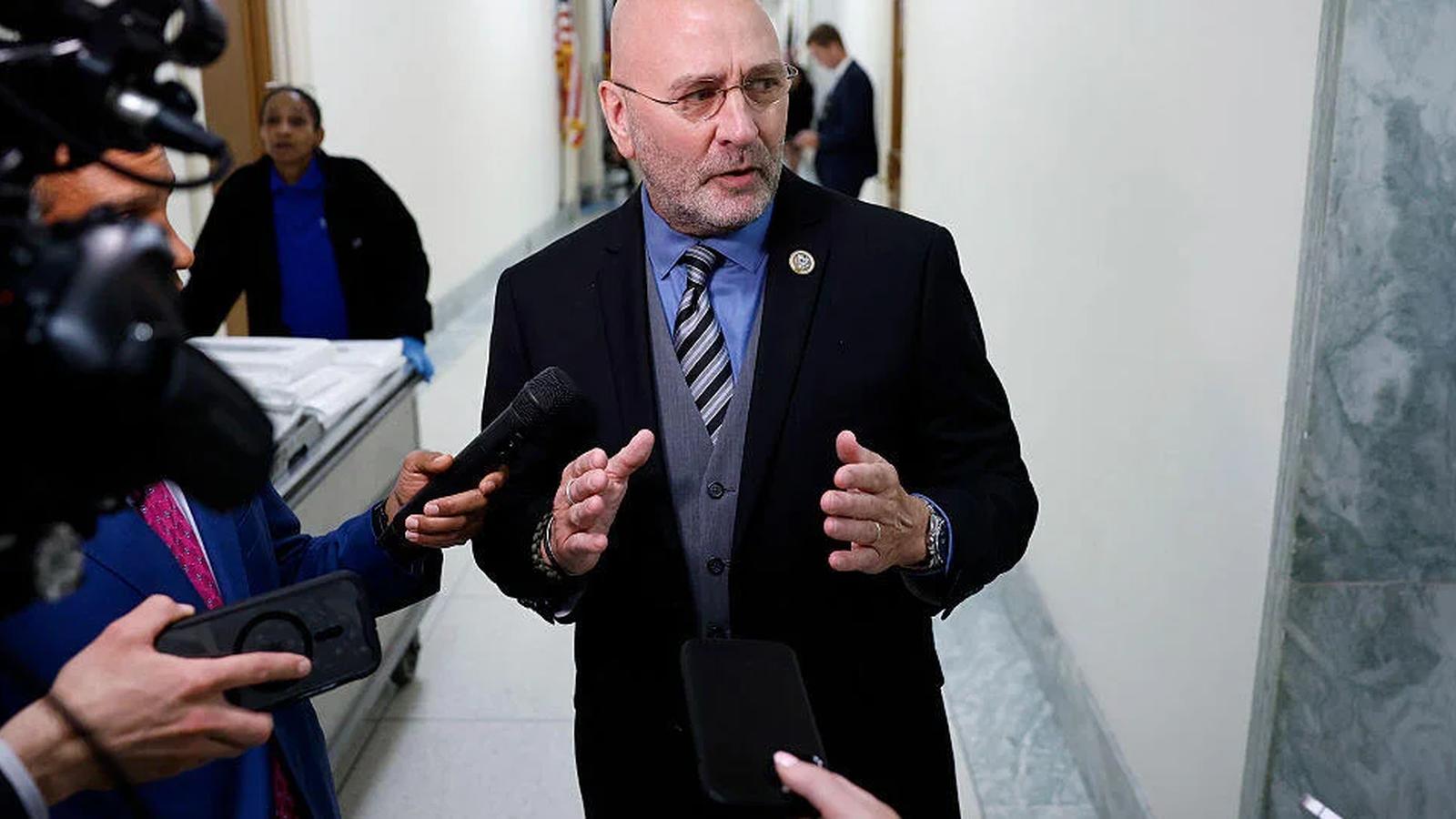
On November 18, 2025, the U.S. House of Representatives made headlines by overwhelmingly approving a bill to force the public release of files connected to Jeffrey Epstein. The vote count was staggering: 427 in favor, just one against. That solitary ‘no’ belonged to Republican Rep. Clay Higgins of Louisiana—a lawmaker suddenly at the center of a national debate about transparency, privacy, and the delicate machinery of American justice.
His Reasoning: Protecting the Innocent or Blocking Accountability?
So why did Higgins break ranks? In a detailed statement on social media and through interviews with outlets like CBS News and CNN, Higgins argued that the bill, as written, risks exposing “thousands of innocent people—witnesses, people who provided alibis, family members, etc.” He framed the issue as one of principle, not politics. “I have been a principled ‘NO’ on this bill from the beginning. What was wrong with the bill three months ago is still wrong today. It abandons 250 years of criminal justice procedure in America,” Higgins wrote on X (formerly Twitter).
His concern, echoed by House Speaker Mike Johnson and a handful of others before the final vote, focused on the possibility that a broad release of investigative files could sweep up individuals whose only connection to Epstein’s case was tangential or circumstantial. “If enacted in its current form, this type of broad reveal of criminal investigative files, released to a rabid media, will absolutely result in innocent people being hurt. Not by my vote,” Higgins insisted.
The Bill: What It Demands and What It Protects
The legislation itself is sweeping. It directs the Justice Department to release “all unclassified records, documents, communications, and investigative materials” related to Epstein and his associate Ghislaine Maxwell. That includes the names of individuals—government officials, public figures, and foreign dignitaries—referenced in connection with Epstein’s crimes, civil settlements, immunity deals, or investigations. The bill is explicit: “No record shall be withheld, delayed, or redacted on the basis of embarrassment, reputational harm, or political sensitivity.”
Yet there are safeguards. The attorney general can withhold or redact documents containing personally identifiable information of victims or materials whose release would “constitute a clearly unwarranted invasion of personal privacy.” Child sexual abuse material, details about ongoing criminal cases, and content that could threaten national security are excluded. Any redactions must be justified in notices to Congress.
Supporters argue these provisions are robust enough. Higgins, however, is unconvinced. He worries that the bill, despite its intent, doesn’t go far enough to protect “innocent Americans” who could be named but not criminally implicated. “The Oversight Committee is conducting a thorough investigation that has already released well over 60,000 pages of documents from the Epstein case. That effort will continue in a manner that provides all due protections for innocent Americans,” Higgins said. He pledged to support the bill only if the Senate amended it to address these privacy concerns.
Political Tension: One Man Versus the Majority
Higgins’ vote came after months of tension and delay among Republican leaders. Initially, President Trump had opposed bringing the bill to a vote, but later reversed his stance, clearing the way for near-unanimous GOP support. Higgins stood firm, even as others shifted. In conversation with CNN‘s Manu Raju, Higgins dismissed suggestions that Trump’s position was about personal ties to Epstein. Instead, he portrayed the debate as a struggle over “long-standing criminal justice procedures” and the importance of methodical investigations.
“If you support 200 years of criminal justice precedent on how this type of investigation moves forward, then you support what we’re doing in the Oversight Committee, not what’s being pushed in this petition,” Higgins told CNN.
After the House vote, Senate Majority Leader John Thune suggested the upper chamber would move quickly, but was unlikely to amend the bill as Higgins and Johnson wanted. “I think, when a bill comes out of the House 427 to 1, and the president has said he’s going to sign it, I’m not sure that amending it is, is in the cards,” Thune told reporters.
The Stakes: Transparency Versus Privacy
The Epstein files have long been a flashpoint for public anger and suspicion. Many Americans want answers: Who enabled Epstein? Which powerful figures were complicit or involved? Higgins’ position throws a spotlight on a different question—how far should transparency go when it risks collateral damage to innocent people?
For some, Higgins’ lone dissent looks like obstruction. For others, it’s a reminder that the quest for truth should not come at the expense of those swept up in the process. The House Oversight Committee’s ongoing probe, already responsible for releasing tens of thousands of pages, is set to continue—potentially offering a more measured approach than the broad, legislated release.
As the bill moves to the Senate, the clash between public demand for transparency and the protections of privacy is far from settled. Higgins remains adamant: “If the Senate amends the bill to properly address privacy of victims and other Americans, who are named but not criminally implicated, then I will vote for that bill when it comes back to the House.” But with momentum surging behind the bill, change looks unlikely.
Clay Higgins’ solitary vote against the release of the Epstein files is more than a matter of legislative record—it’s a case study in the tension between transparency and privacy in high-profile criminal investigations. Whether his stance is seen as principled or controversial, it forces lawmakers and the public to confront the costs of openness, and the need for caution when justice intersects with raw public curiosity.