
Quick Read
- China’s H-20 stealth bomber, designed to threaten U.S. bases like Guam, remains delayed, with debut unlikely before the 2030s.
- Guam’s strategic location makes it a key target and asset in the Indo-Pacific air power rivalry.
- Technical challenges with engines, stealth coatings, and production lines hinder the H-20’s progress.
- U.S. bombers (B-2 Spirit, B-21 Raider) continue to dominate, reinforcing Guam’s defensive role.
Guam: The Strategic Bullseye in Asia-Pacific Air Power Rivalry
In the vast sweep of the Pacific, tiny Guam stands out as more than just a speck of American territory. It is a linchpin—an unmistakable bullseye—for global military planners, especially as China pushes to unveil its long-awaited H-20 stealth bomber. While Beijing’s defense industry churns out warships and fighters at breakneck pace, the secretive H-20 program continues to tease headlines but evade actual deployment. Yet, as National Security Journal points out, the very promise of the H-20’s range and capabilities keeps Guam in the crosshairs of strategic calculations.
China’s H-20: A Threat Still in the Shadows
Military analysts have watched China’s air force transform over the past decade, with new jets, drones, and even aircraft carriers rolling off assembly lines. But the H-20—touted as a diamond-shaped, long-range stealth bomber—remains elusive. Its rumored combat radius of over 6,000 miles would bring U.S. bases in Guam, South Korea, and Japan squarely within its reach, and with aerial refueling, potentially even North America.
Despite sporadic reports and alleged sightings—like the footage showing a large, stealthy aircraft with distinctive edges—U.S. officials remain skeptical. The Pentagon’s annual report to Congress underscored that the H-20 is not expected to debut before the early 2030s. The Chinese side retorts that the bomber will arrive “soon,” but years of state media fanfare have yet to materialize into a public unveiling. For now, the gap in strategic bombers persists, buying the U.S. time to reinforce its own deterrence.
Guam’s Enduring Role: A Forward Bastion Under Scrutiny
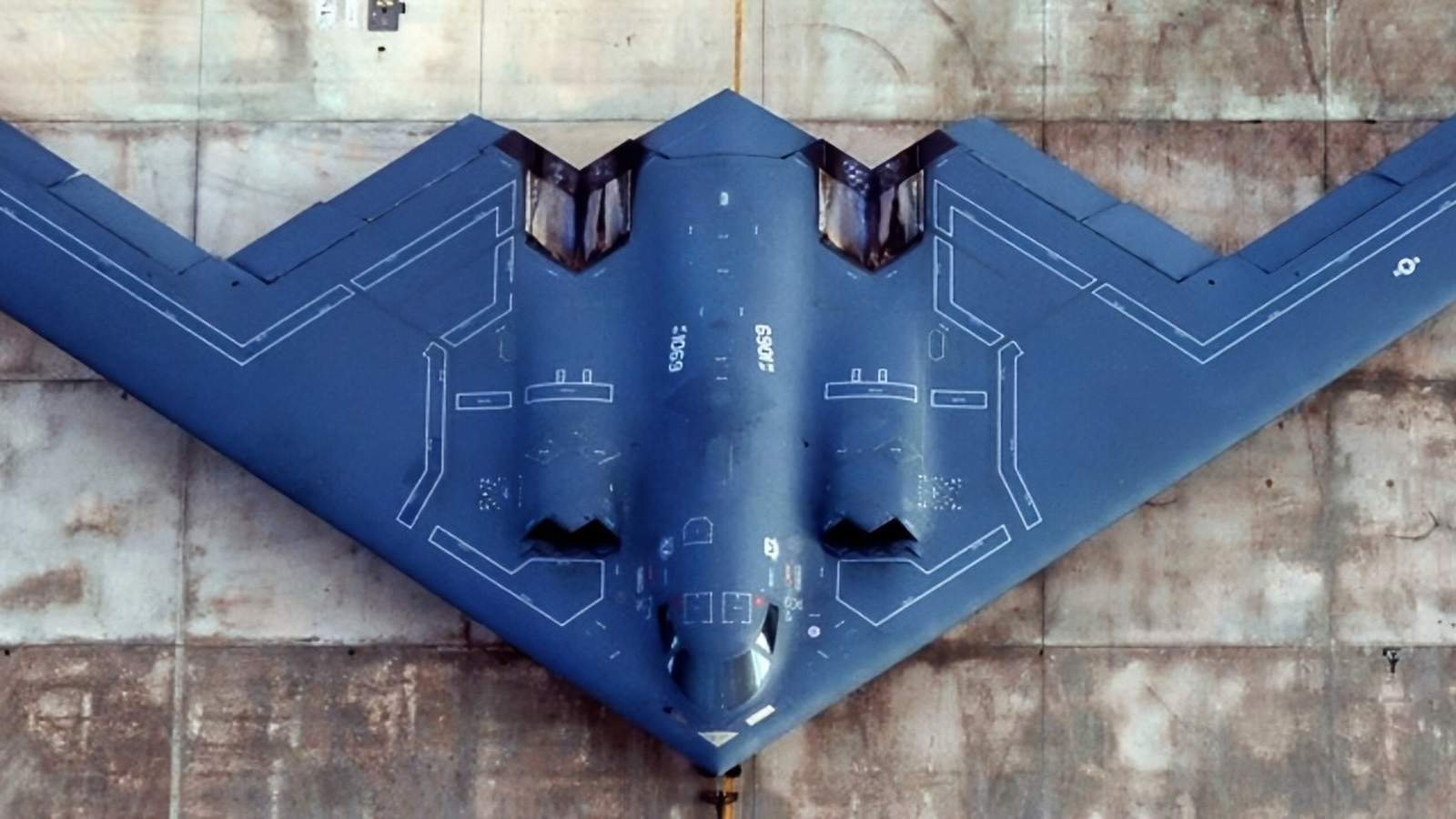
Why does Guam matter so much? Its position in the Western Pacific makes it a forward base for U.S. military projection—a launchpad for operations and a hub for logistics. With runways capable of hosting B-2 Spirit stealth bombers and, soon, the advanced B-21 Raider, Guam is not just a symbol but a practical asset in America’s ability to respond quickly across Asia.
China’s planners know this. The H-20’s purported mission profile is tailored to threaten installations like Guam, aiming to neutralize American reach and complicate reinforcement strategies. Yet, technical hurdles remain: reliable engines for intercontinental flight, cutting-edge stealth coatings, radar-absorbent materials, and a dedicated production line—all are bottlenecks that Beijing has struggled to overcome. The U.S., meanwhile, continues to invest in its own air power, keeping Guam well-defended and its bombers ready.
The Bomber Gap: Technology, Tactics, and Time
America’s B-2 Spirit, developed in the 1980s, has already demonstrated its strategic value, notably during Operation Midnight Hammer, when it set back Iranian nuclear ambitions. Its successor, the B-21 Raider, promises even greater stealth and operational flexibility. Chinese officials claim their engineers can match these capabilities, but years of missed deadlines and scarce sightings suggest otherwise.
The contrast is stark: while China’s J-20 Mighty Dragon fighter jets have entered service by the hundreds, the H-20 remains a phantom. If the bomber were truly ready, it would likely be the centerpiece of military parades and airshows—a blockbuster reveal for national prestige. Instead, its absence speaks volumes about the challenges of developing such a complex weapon system.
Guam in the Crosshairs: What’s Next?
For the U.S. and its allies, the delay in China’s H-20 program is a strategic reprieve. Guam’s facilities continue to modernize, hosting not just bombers but a growing suite of missile defenses and surveillance assets. The island’s significance is reinforced by frequent joint exercises and visible deployments, sending a clear message of resolve.
Yet, the future remains uncertain. As China accelerates its military modernization, the contest for long-range air power is set to intensify. Guam will remain a focal point—not only as a potential target but as a symbol of deterrence and stability in the region. The coming decade will likely see new technologies, shifting tactics, and, perhaps, the long-awaited appearance of the H-20.
In this high-stakes rivalry, Guam’s fate mirrors the broader strategic balance in the Indo-Pacific. The island’s runways, radar stations, and hardened shelters are not just assets—they are statements of intent. For now, the U.S. edge in stealth bombers endures, but the race is far from over.
Assessment: The enduring delays in China’s H-20 program highlight both the technical challenges and the strategic importance of Guam as a forward U.S. base. As long as the H-20 remains unproven, America’s ability to project power and deter threats across Asia is reinforced. Yet, the evolving contest signals that Guam will remain a critical test of resolve, readiness, and innovation in the years ahead.