
Quick Read
- Carson Wentz was sacked five times and visibly injured during the Vikings’ 37-10 loss to the Chargers.
- Head coach Kevin O’Connell kept Wentz in the game, citing his veteran status and hesitance to debut rookie Max Brosmer in difficult circumstances.
- Brosmer only entered for the final drive, sparking debate about player safety and coaching decisions.
- The Vikings are expected to welcome back starting QB J.J. McCarthy soon, leaving Brosmer’s future role uncertain.
Vikings’ Painful Night: When Should Coaches Step In?
Thursday night in Los Angeles felt less like a football game and more like a test of endurance for Vikings quarterback Carson Wentz. Under the harsh stadium lights, Wentz was battered relentlessly, sacked five times, hit eight more, and pressured on almost every dropback. Each time he hit the turf, the pain was visible — especially for anyone paying attention to his heavily braced left shoulder, an injury he’d carried into the matchup. By the fourth quarter, as the Vikings trailed the Chargers by 24 points, the question echoed from the stands to social media: Why was Wentz still out there?
Prime Video’s broadcast captured the moment Wentz’s frustration finally boiled over. After a fourth-down hit left him writhing, the camera lingered as he slammed his helmet and sat on the bench, tears welling in his eyes. For a player known for his grit, it was a rare, raw glimpse into the toll that repeated blows can take — physically and emotionally.
Max Brosmer: The Rookie Waiting in the Wings
All eyes turned to Max Brosmer, the undrafted rookie backup. The narrative around Brosmer had been growing quietly: praised for his football IQ and quick decision-making, he represented both hope for a spark and a potential risk. Yet, as the game wore on, Brosmer remained on the sidelines, suited up but unused until the final two minutes — a drive with the outcome already sealed.
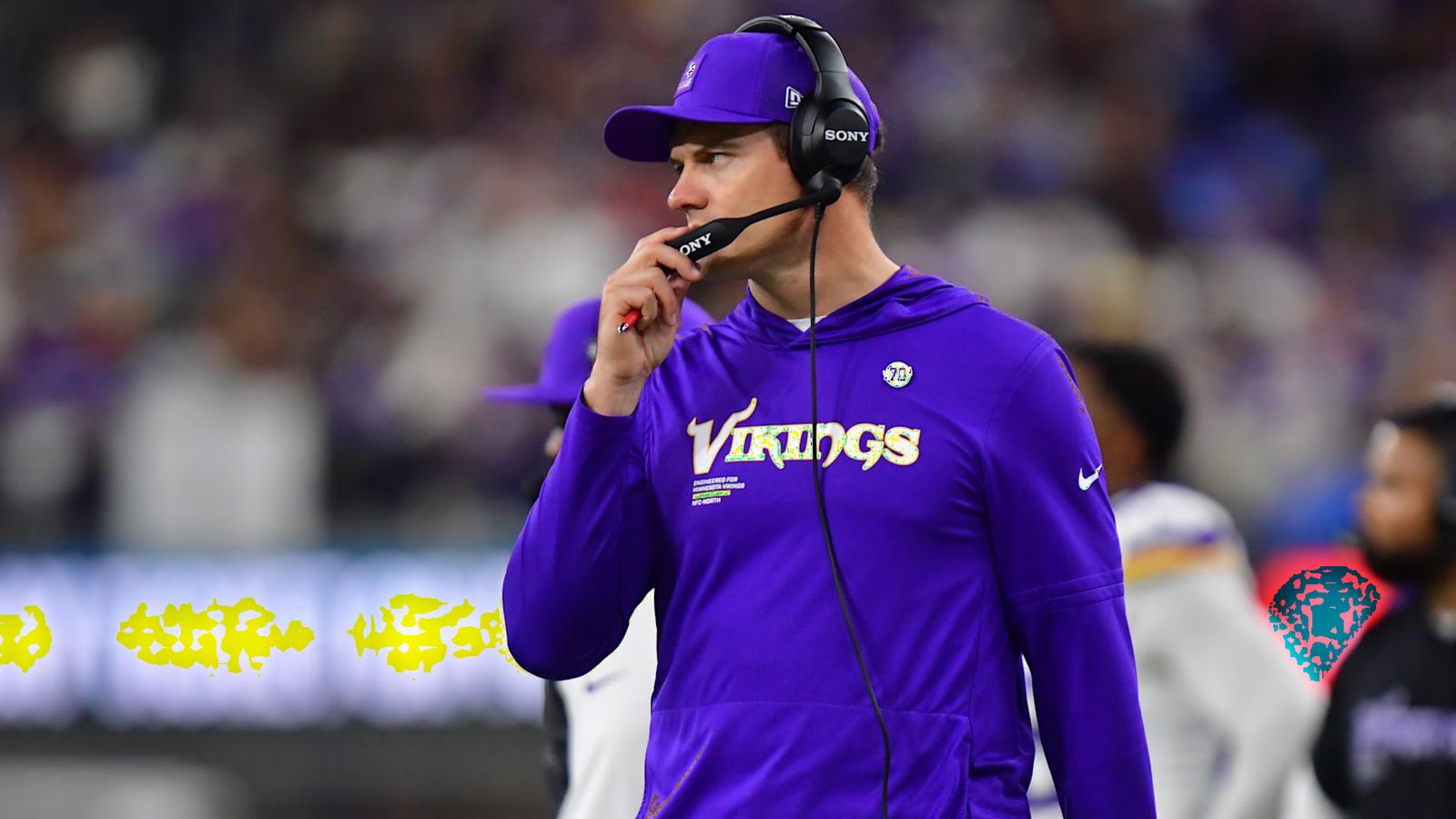
Kevin O’Connell, the Vikings’ head coach, faced mounting scrutiny. He’d spoken in the past about the responsibility coaches have to protect their players, especially when injuries linger. But this time, the decision felt less like protection and more like hesitation. “We kept on checking in, maybe getting Max ready to go,” O’Connell told reporters. “Carson was sore going into it. He took quite a few hits. I asked him multiple times where he was at, and he said he was good and wanted to keep going.” (Sports Illustrated)
Player Safety Versus Competitive Grit
Elite athletes rarely want to pull themselves from the field. Wentz, facing what was likely his final start before the return of QB1 J.J. McCarthy, was determined to play through the pain. “Pain is pain,” Wentz said after the game. “I felt like I could still help this team and find a way to go down and score.” (Sports Illustrated)
But football is not just a test of individual will. The coach’s responsibility is to see the bigger picture: the player’s health, the team’s future, and the integrity of the competition. O’Connell weighed the risks of sending Brosmer into a lopsided game — his first meaningful NFL action, behind a battered offensive line. “The confidence we have in Max, the upside we see in Max is real,” O’Connell explained. “But you also don’t want to send him out there and force a level of figure-it-out-ness that’s probably beyond a guy playing for the first time.”
Still, some wondered if the calculus was off. Brosmer, at 24, is older than McCarthy and, by most accounts, capable of executing quick passes and managing the scheme. If the goal was simply to prevent further injury to Wentz and see what Brosmer could do, why not make the switch earlier?
Public Reaction: The Debate Over Accountability
The response from fans and analysts was swift and pointed. “It feels legitimately irresponsible that he was allowed to play almost the entire game,” tweeted Will Ragatz. Others likened the punishment Wentz endured to a boxing match that should have been stopped by the referee. “Why is KOC refusing to let Brosmer throw some short passes?” asked Mark Rosen. The debate wasn’t just about strategy — it was about the human cost of football.
O’Connell’s other justification was to honor Wentz’s veteran status, letting him decide when to bow out. “When a guy like that, a veteran, is in there competing, you have to value that,” O’Connell said. “As long as the medical team informs me … that he’s no worse than what he came into the game with, you’ve gotta give a guy a chance to do that. Until it becomes ‘he can’t do his job.’” (Sports Illustrated)
Yet, even O’Connell admitted postgame that Wentz’s injury might have affected his play, especially the badly overthrown interception late in the game. Wentz disagreed, insisting his throwing mechanics were unaffected.
The Road Ahead: What Brosmer’s Debut Means for Minnesota
For Brosmer, the late-game cameo provided little opportunity to showcase his skills. The Vikings, now mired in a two-game losing streak, await the likely return of McCarthy. Brosmer’s brief appearance leaves fans wondering what could have happened if he’d entered sooner — could his fresh perspective have changed the energy, or at least preserved Wentz’s health?
Going forward, the Vikings face tough questions. How do they balance respect for veteran grit with the duty to protect players from themselves? Is it fair to shield rookies from trial by fire, or does experience under duress build resilience? Brosmer, for now, remains a backup, but his time may come sooner than expected if injuries persist or performances falter.
In the end, the saga wasn’t just about one painful loss or a quarterback swap. It was a reminder that football, for all its strategy and spectacle, is played by people — and the decisions around them ripple far beyond the final whistle.
The Vikings’ handling of Carson Wentz’s injury, and the reluctance to give Max Brosmer a meaningful chance, raises vital questions about player welfare and coaching philosophy. While the intent to protect a rookie is understandable, the optics and consequences of letting a visibly hurt veteran absorb excessive punishment are hard to justify. This episode should serve as a catalyst for deeper reflection within the organization about balancing competitiveness, responsibility, and the human side of the game.