
Quick Read
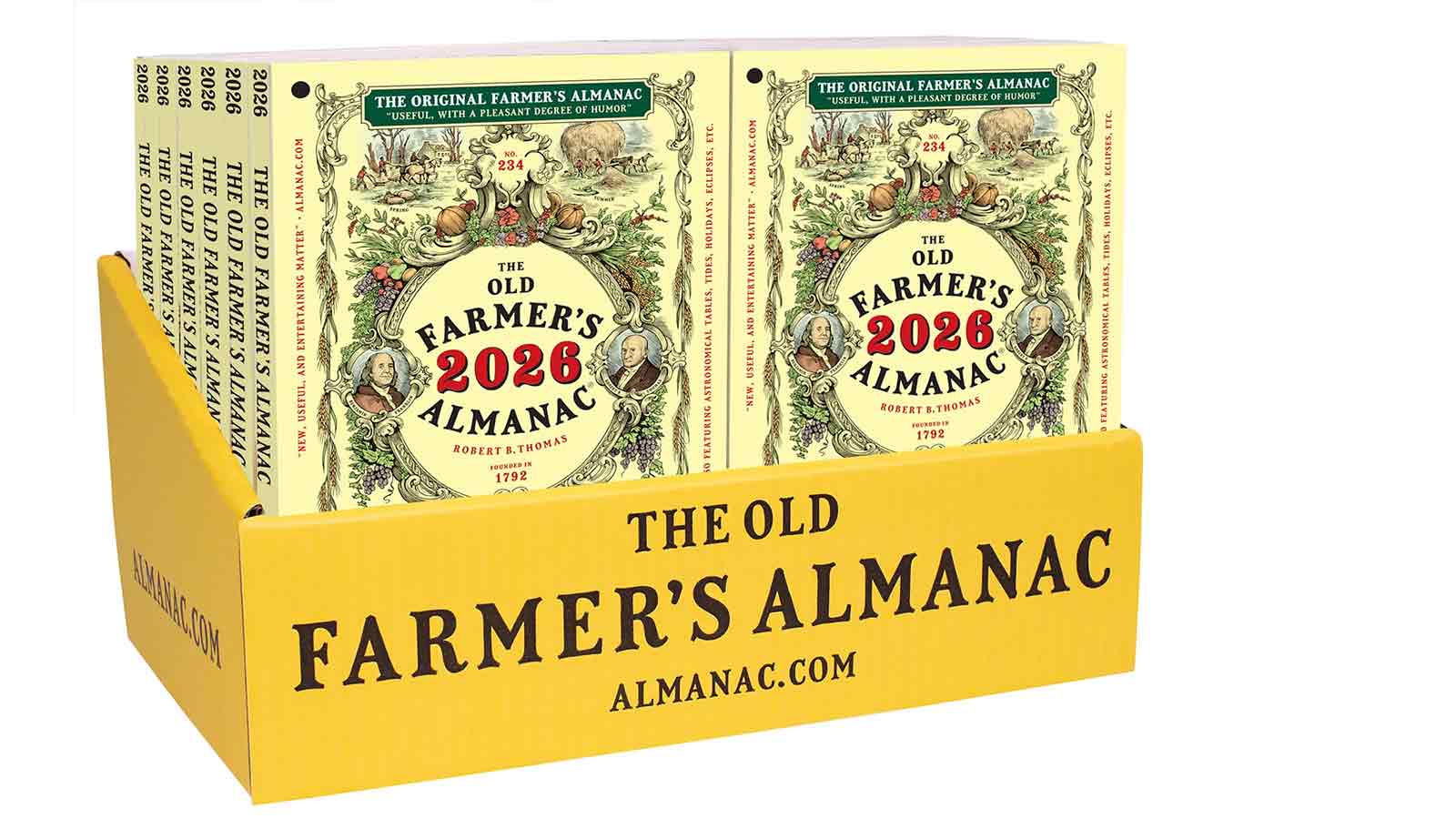
- The Farmers’ Almanac will publish its final edition in 2026, ending a 208-year tradition.
- Financial challenges in today’s media landscape led to the closure.
- The Almanac is known for long-range weather forecasts, gardening tips, and practical advice.
- Its readership included both rural farmers and urban gardeners.
- Online access will cease after the release of the final edition.
Farmers’ Almanac: The End of an American Tradition
In 2026, a defining chapter of American rural life will quietly close as the Farmers’ Almanac releases its final edition. For 208 years, this unassuming publication has been a staple in homes, barns, and gardens across North America—a reliable companion for weather forecasts, planting advice, and time-honored wisdom.
From Humble Beginnings to National Icon
First published in 1818 in Maine, the Farmers’ Almanac was more than just a book. It was a guide, a confidant, and a link between generations. Farmers consulted its pages before sowing seeds, families swapped its gardening tips, and children grew up hearing their grandparents quote its advice. Whether you lived on a sprawling farm or in a city apartment, the Almanac offered something for everyone: forecasts based on a secret formula, natural remedies, trivia, and even a dash of humor.
As Newsweek and CBS News report, its weather predictions—crafted from an intricate blend of sunspots, planetary positions, and lunar cycles—became legendary. The Almanac’s editors, Sandi Duncan and Peter Geiger, developed a voice that felt at once authoritative and familiar, making readers feel like part of a long-standing tradition.
Why Now? The Challenges of a Changing World
The announcement that the 2026 edition will be the last did not come lightly. Duncan and Geiger explained that the “growing financial challenges of producing and distributing the Almanac in today’s chaotic media environment” made continuing impossible. Print media, once the backbone of community knowledge, has struggled in the digital age. Even though the Almanac expanded to online platforms, those revenues were not enough to offset rising costs.
In its heyday, the Farmers’ Almanac boasted a circulation of over 2.1 million in North America. The publication even saw a resurgence in recent years among urban dwellers, as interest in home gardening and locally sourced food grew. The covers reflected this shift, with images of city skyscrapers standing alongside classic farmhouses. But the financial realities remained: producing and distributing a physical book, especially one so rooted in tradition, became a burden too heavy to bear.
The Secret Formula and the Wisdom of Generations
What set the Farmers’ Almanac apart was its promise of long-range weather forecasts. Unlike the Old Farmer’s Almanac—its older New Hampshire cousin—the Maine-based publication relied on a closely guarded formula. For centuries, readers trusted its predictions: when to plant peas (“when daffodils bloom”), the best days to fish, and which lunar cycles would bring rain or sunshine. It was more than meteorology; it was folklore, science, and a touch of mystery rolled into one.
The Almanac was also a repository of practical advice. Pages brimmed with tips for gardening, natural remedies (catnip for pain, elderberry syrup for immunity), and quirky trivia. Jokes and stories fostered a sense of community, making the Almanac not just useful, but enjoyable. This unique blend of information and entertainment ensured that it remained relevant, even as America changed around it.
Legacy: More Than Just a Book
The end of the Farmers’ Almanac is more than the closure of a publication—it marks the passing of a tradition. Duncan and Geiger, in their farewell message, urged readers to “tell the kids how granddad always swore by the Almanac.” This sentiment captures the heart of its legacy: stories passed down at family tables, advice shared in gardens, and weather lore that shaped daily life.
For many, the Almanac symbolized the wisdom of generations. It was a link to the past, a reminder that sometimes, answers could be found in the rhythms of nature and the experience of those who came before. Its practical guidance inspired millions to appreciate the natural world—whether tending to crops or nurturing a window box in the city.
What Happens Next?
With the 2026 edition already available and online access set to end soon, fans are left to contemplate a future without their annual guide. The editors encourage readers to keep the spirit of the Almanac alive: share its stories, apply its advice, and remember the lessons it taught. In an era where information is fleeting, the Almanac’s enduring impact is a testament to the value of tradition and community knowledge.
Though its pages will no longer be printed or updated online, the Farmers’ Almanac will remain in attics, bookshelves, and memories—an emblem of resilience and adaptation in a rapidly changing world.
The closure of the Farmers’ Almanac is a poignant reminder of how technology and shifting consumer habits can reshape even the most cherished institutions. While financial pressures sealed its fate, the Almanac’s legacy endures in the shared wisdom and traditions that continue to bind communities across generations.