
Quick Read
- York’s St Nicholas Fair has been a festive tradition for over 30 years.
- The market is praised for its accessibility, including quiet shopping hours and support for visitors with limited mobility.
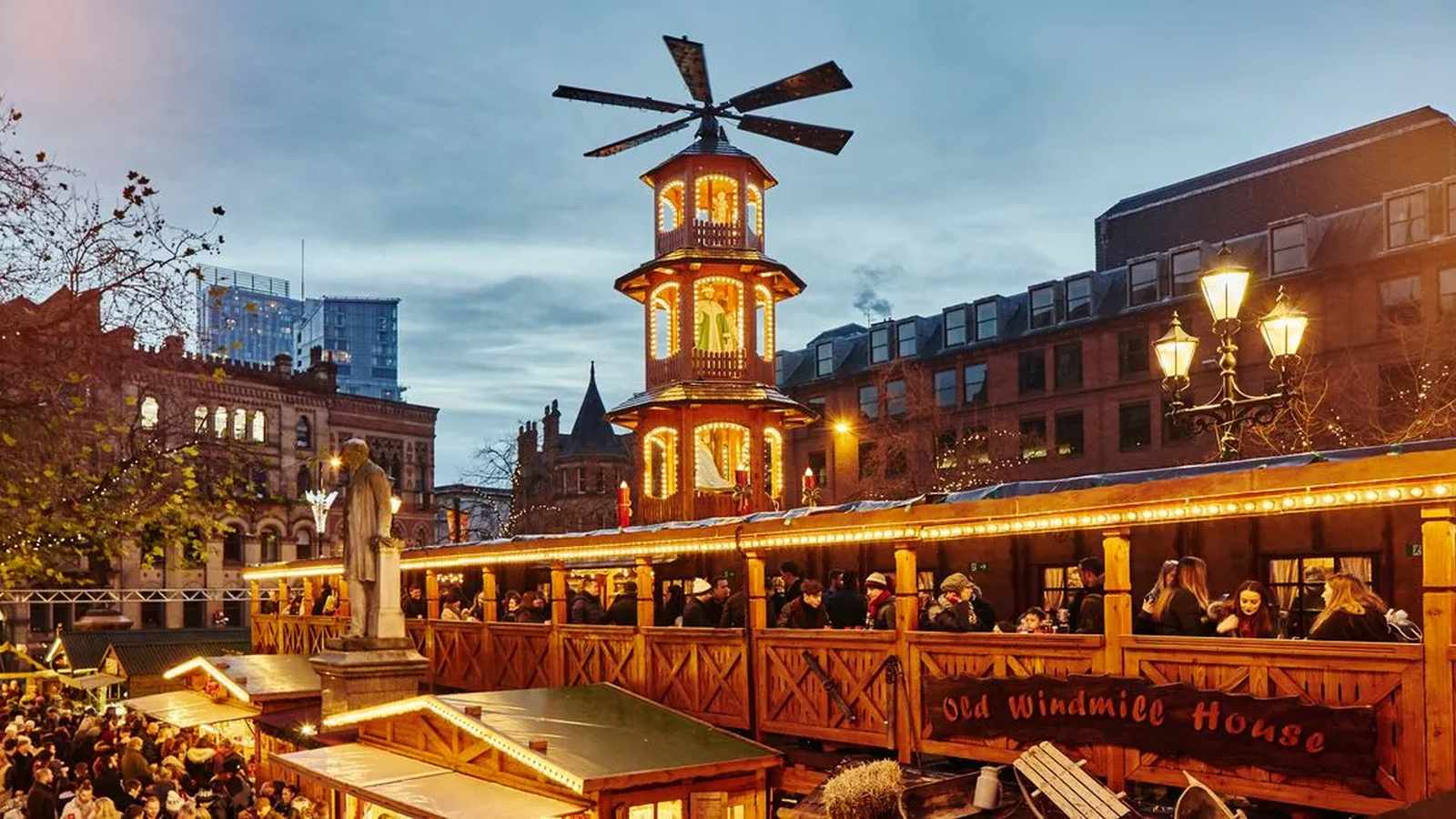
- Dozens of alpine chalets line the city’s central squares, offering handmade gifts and festive treats.
- York’s thoughtful approach sets it apart from larger but less inclusive markets like Manchester.
- The city’s rich history and welcoming atmosphere enhance the market experience.
York’s St Nicholas Fair: A Tradition Rooted in Festive Spirit
When the first frost settles over Parliament Street and St Sampson’s Square, York transforms into a city that feels almost lifted from a Victorian Christmas card. For over 30 years, St Nicholas Fair has been at the heart of this transformation, evolving from a local celebration into one of the UK’s most respected and beloved Christmas markets. While cities like Manchester and Liverpool may boast larger numbers and flashier attractions, York’s festival has carved out a unique identity—one that balances tradition, accessibility, and the warmth of a close-knit community.
What Sets York Apart: Details That Matter
According to the annual rankings published by Which?, York’s Christmas market consistently performs well, not just for its picturesque setting but for the subtle ways it caters to a diverse audience. Dozens of alpine-style chalets, decked in twinkling lights, line the city’s central squares. Here, visitors can browse art prints, hand-carved decorations, and locally made gifts. But it’s the market’s “great attention to detail when it comes to accessibility” that truly sets it apart. Initiatives such as designated quiet shopping hours (from 10am to 12pm) for those who prefer a music-free experience, and support for visitors with limited mobility, have earned the fair a reputation for being welcoming to all.
In a season often marked by crowds and sensory overload, these small accommodations have a big impact. For many, they’re the difference between feeling excluded and feeling at home. And that’s no accident—organizers have worked closely with community groups and accessibility advocates to ensure that the magic of Christmas in York is truly for everyone.
More Than Just Stalls: History and Hospitality
York’s market isn’t just about shopping. The city’s rich history is woven into the experience, offering visitors a chance to explore iconic sites like the majestic York Minster or wander through the Shambles—a medieval street so atmospheric it seems built for the season. Beyond the market, independent shops, cozy cafés, and centuries-old pubs invite visitors to linger. The result is a Christmas outing that feels both grand and intimate, festive yet grounded in a genuine sense of place.
While some other markets lean heavily on spectacle—think fairground rides, pop concerts, and oversized food stalls—York’s approach is more measured. It’s about creating an environment where families, friends, and solo visitors can savor the moment. The festive bakes, mulled wine, and artisan crafts on offer reflect a city that takes pride in its traditions without closing itself off to new ideas.
Comparing the UK’s Top Christmas Markets
Each year, Which? surveys thousands of visitors to rank the UK’s best Christmas markets, evaluating size, variety, atmosphere, and value. In 2025, markets like Liverpool, Bath, Winchester, and Edinburgh have all earned high marks for their unique offerings. Liverpool’s market, for instance, is praised for its dramatic setting and lively menus, though some note it lacks the nostalgic feel of traditional markets. Bath’s market, celebrating its 25th year, offers a sprawling array of handmade goods against the backdrop of its famous abbey and Roman Baths.
Yet, York stands out for its accessibility and the personal touch it brings to the festivities. While Manchester’s vast market—spread across nine city locations—continues to draw large crowds, it failed to make the top of the list this year, with reviewers highlighting York’s thoughtful approach as a model for others to follow.
Planning Your Visit: What to Expect in 2025
This year, the St Nicholas Fair is as vibrant as ever, with dozens of chalets offering everything from hand-crafted ornaments to Yorkshire cheeses and festive bakes. Seasonal drinks—mulled wine, spiced cider, and hot chocolate—warm hands and hearts alike. For those seeking quiet, the early hours provide a peaceful shopping window, while families will find plenty of activities and treats for children throughout the day.
Accessibility remains a core focus. Maps, guides, and staff are on hand to assist, and thoughtful touches—such as step-free access and quiet zones—ensure that everyone can enjoy the festivities without barriers. Parking and public transport information is widely available, making it easier for visitors from across the region to join in the celebrations.
The Broader Impact: Community and Continuity
At its core, York’s Christmas market is about more than commerce. It’s a reflection of the city’s commitment to community, inclusion, and tradition. By investing in accessibility and listening to visitor feedback, organizers have created an event that not only draws tourists but also serves as a source of pride for locals. As other cities look to attract bigger crowds or make headlines with new attractions, York quietly demonstrates that the true spirit of the season is found in thoughtful details and genuine hospitality.
Assessment: York’s St Nicholas Fair is a standout in the UK’s festive landscape not because it is the biggest or most extravagant, but because it understands the power of small, meaningful gestures. Its focus on accessibility, tradition, and community ensures that the magic of Christmas is open to all—setting a standard that other markets would do well to follow.