
Quick Read
- The WIC program supports 6.8 million women, infants, and children annually.
- Government shutdown risks disrupting funding for WIC, causing uncertainty for families.
- States and nonprofits are working to stretch resources and provide interim support.
- Specialized infant formulas covered by WIC are particularly at risk during funding gaps.
- Advocacy groups call for immediate congressional action to restore WIC funding.
The Special Supplemental Nutrition Program for Women, Infants, and Children, commonly known as WIC, is a federally funded initiative aimed at providing essential nutritional support to pregnant women, breastfeeding mothers, infants, and children under the age of five. As a cornerstone of public health nutrition in the United States, the program serves approximately 6.8 million individuals annually. However, the ongoing government shutdown has placed WIC funding in jeopardy, raising significant concerns about its ability to continue serving vulnerable populations.
What is the WIC Program?
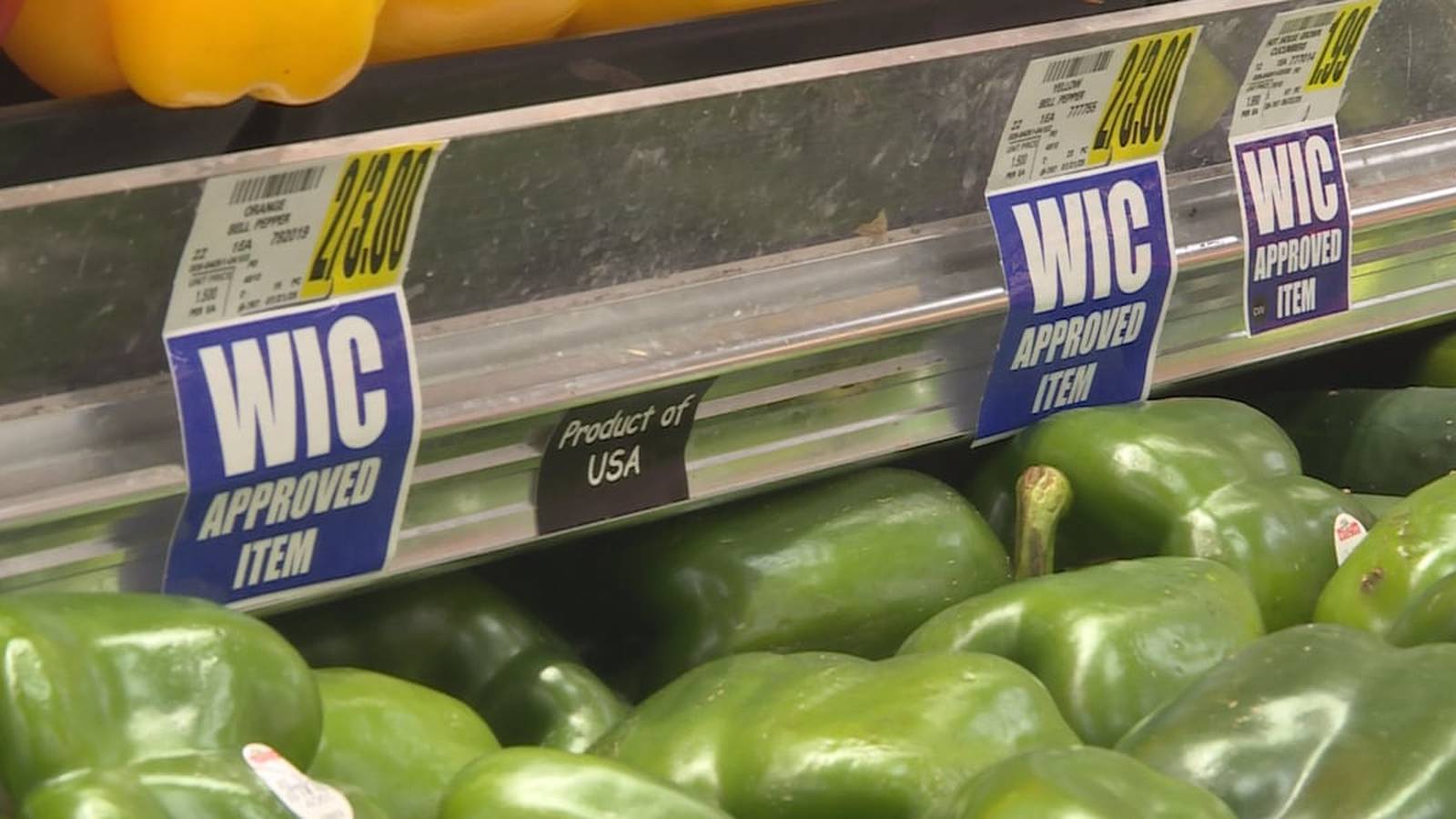
WIC was established in 1974 under the U.S. Department of Agriculture (USDA) to address the nutritional needs of low-income women and their children. The program provides a range of benefits, including access to healthy foods, breastfeeding support, and referrals to healthcare services. Participants receive preloaded cards that allow them to purchase approved items such as milk, fruits, vegetables, infant formula, and whole grains at participating stores. Additionally, specialized formulas for infants with unique medical needs are often covered, offering a lifeline for families who might otherwise struggle to afford these costly items.
Unlike other food assistance programs like the Supplemental Nutrition Assistance Program (SNAP), WIC relies heavily on annual congressional budget approvals. This makes it particularly vulnerable during periods of governmental uncertainty, such as a shutdown.
Impact of the Government Shutdown
The current government shutdown has created an unprecedented challenge for WIC, as it coincides with the start of the fiscal year—a time when new funding is typically allocated. Without congressional action, states are left to stretch their remaining resources to keep the program operational. According to the National WIC Association, contingency funds and rollover budgets may allow some states to extend services for one to three weeks, but prolonged inaction could lead to devastating disruptions.
Local WIC clinics are already feeling the strain. In states like North Carolina and Georgia, health departments are evaluating ways to extend services, including adjusting food packages and reallocating resources. However, the uncertainty has left many families anxious. Heather Whitehurst, a WIC participant from Pitt County, North Carolina, shared her concerns: “All the food we get from WIC pretty much goes to my son. It would be difficult if benefits stopped.”
Nonprofit organizations and food banks are stepping in to fill potential gaps. For instance, the Heart of Alabama Food Bank and Helping Mamas in Georgia are preparing for increased demand, offering formula and other essential supplies to affected families. Despite these efforts, the lack of federal funding remains a critical bottleneck.
State-Level Responses and Challenges
State health departments are working tirelessly to manage the crisis. In Georgia, officials have assured residents that WIC benefits will continue for at least two to three weeks, providing a temporary reprieve. However, the situation varies widely across states, with some clinics reporting that funds may run out sooner.
One major concern is the availability of specialized formulas, which are often not readily available in stores and can cost significantly more than standard options. A WIC employee in Georgia emphasized the risks: “Without WIC funding, families may have to resort to incompatible formulas, risking illness or medical emergencies.” This underscores the program’s critical role in safeguarding public health, particularly for the most vulnerable children.
The political dynamics further complicate the issue. While some lawmakers argue that the USDA should commit to reimbursing state funds used during the shutdown, others view WIC as a bargaining chip in broader budget negotiations. This marks a significant departure from the program’s historically apolitical status.
The Broader Implications
The potential suspension of WIC services has far-reaching implications. Beyond the immediate nutritional needs of participants, the program plays a vital role in promoting long-term health outcomes. Malnutrition during early childhood can have lasting effects on physical and cognitive development, making consistent access to WIC benefits essential.
Moreover, the shutdown highlights systemic vulnerabilities in federally funded programs that depend on annual appropriations. As Georgia Machell, president of the National WIC Association, stated, “Even temporary disruptions could have long-term negative consequences for the health and development of our nation’s families.”
The crisis has also brought to light disparities in food access. Families in rural areas, like Barbie Anderson’s in Minnesota, face additional challenges such as higher grocery costs and limited store options. Anderson shared, “We could buy chips all day for 99 cents, but what’s that nutrition for our kids? That’s nothing.”
What’s Next for WIC?
As the shutdown continues, the future of WIC remains uncertain. Advocacy groups and public health officials are calling on Congress to act swiftly to restore funding and ensure the program’s continuity. In the meantime, states and nonprofits are doing their best to stretch resources and support families in need.
While the immediate focus is on mitigating the current crisis, the situation underscores the need for more sustainable funding mechanisms for essential programs like WIC. Ensuring uninterrupted access to nutrition for millions of women and children should be a national priority, not a subject of political debate.
The WIC program’s plight during the government shutdown serves as a stark reminder of the critical role federal initiatives play in supporting vulnerable populations. As families and states navigate this uncertainty, the need for decisive action and sustainable solutions becomes increasingly clear.