
Quick Read
- William H. Luers, a prominent U.S. diplomat, has died at 95.
- He was instrumental in supporting Czech dissident Václav Havel.
- Luers served as U.S. ambassador to Czechoslovakia and Venezuela.
William H. Luers: A Diplomatic Legacy
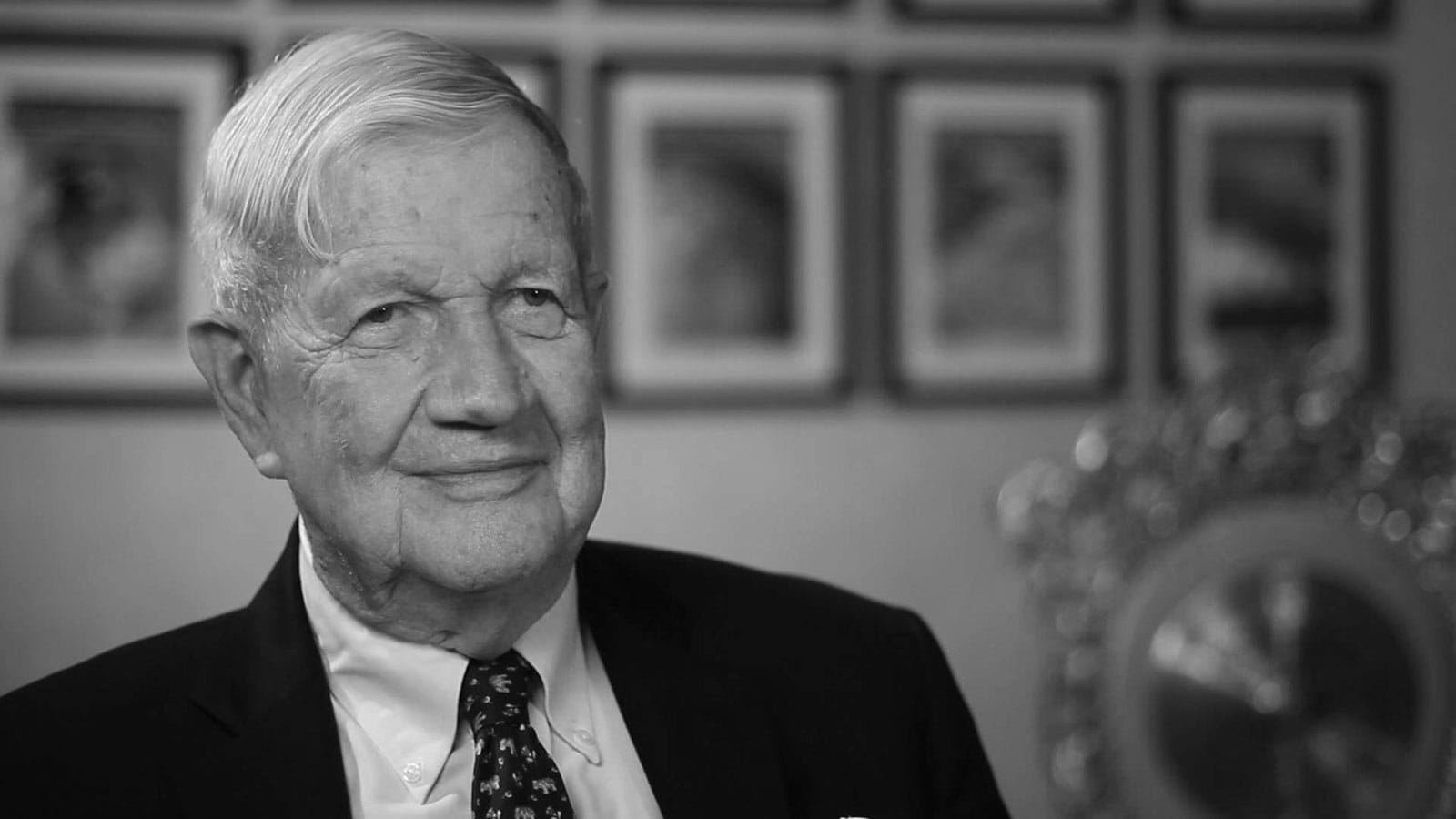
William H. Luers, a distinguished U.S. diplomat and former ambassador, passed away at the age of 95. Known for his pivotal role in supporting Czech dissident leader Václav Havel during the Cold War, Luers left an indelible mark on international diplomacy and cultural exchange.
Early Life and Career
Born in Springfield, Illinois, in 1927, Luers graduated from Princeton University and later earned a master’s degree from Columbia University. He joined the U.S. Foreign Service in 1957, embarking on a career that spanned over three decades. His early postings included assignments in Italy and the Soviet Union, where he honed his expertise in international relations.
Ambassador to Venezuela and Czechoslovakia
Luers served as the U.S. ambassador to Venezuela from 1978 to 1982 and to Czechoslovakia from 1983 to 1986. During his tenure in Czechoslovakia, he became a vocal advocate for human rights and democracy, forging a close relationship with Václav Havel, the playwright and dissident who would later become the country’s president. Luers’ efforts were instrumental in fostering dialogue between the U.S. and the emerging democratic movements in Eastern Europe.
Support for Václav Havel
Luers’ support for Havel and other dissidents was a cornerstone of his diplomatic career. He used his position to highlight the plight of political prisoners and to advocate for greater freedoms in Czechoslovakia. His efforts were recognized as a significant contribution to the eventual peaceful transition of power during the Velvet Revolution in 1989.
Post-Diplomatic Career
After retiring from the Foreign Service, Luers continued to influence international relations through his work with non-governmental organizations. He served as the president of the Metropolitan Museum of Art in New York and later led the United Nations Association of the United States. In these roles, he championed cultural diplomacy and the importance of international cooperation.
Source: The New York Times