
Quick Read
- Williams Racing has parted ways with team principal James Vowles.
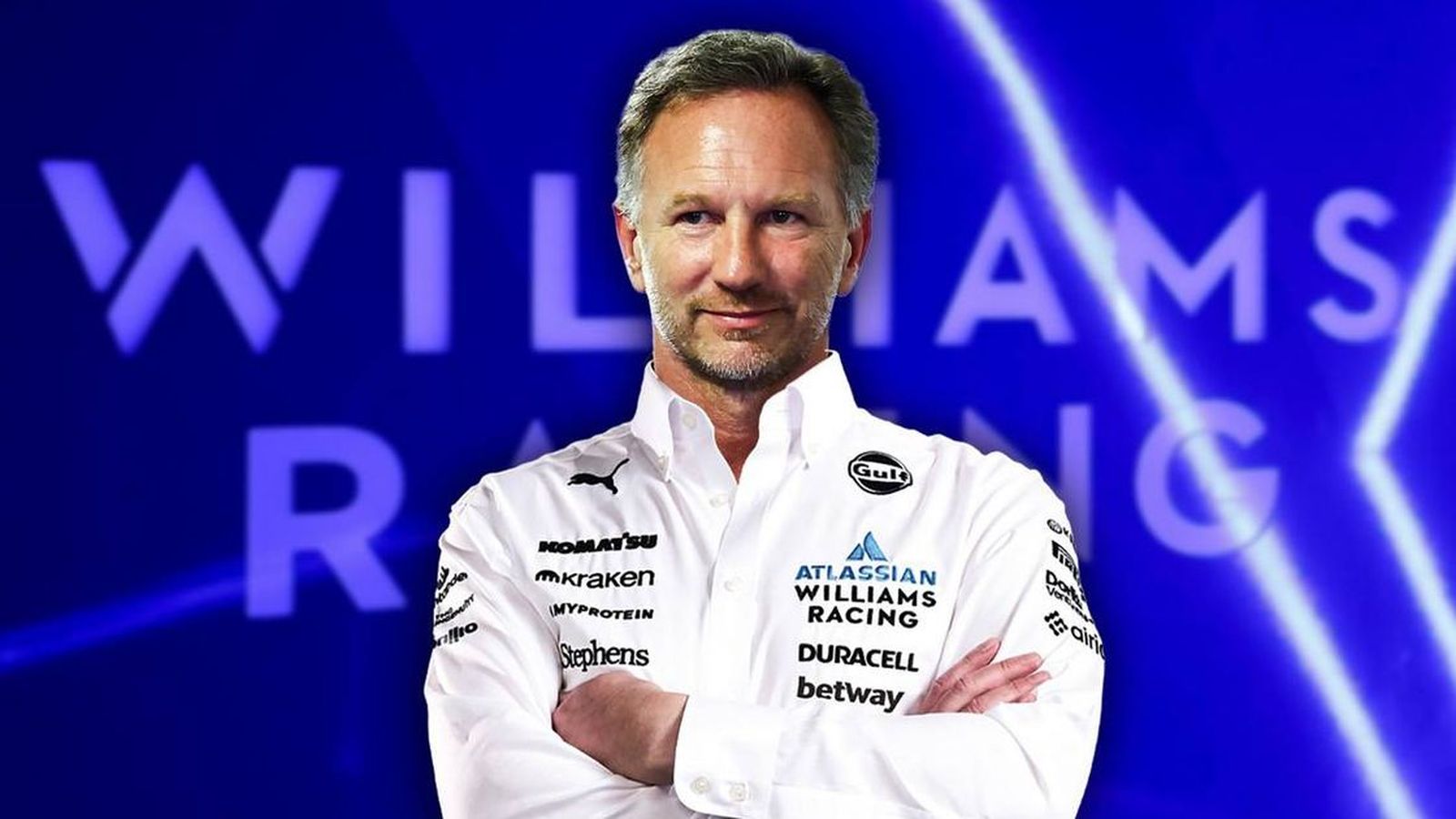
- Christian Horner and Jonathan Wheatley have been appointed to lead the team’s resurgence.
- The move comes as drivers urge the FIA to incorporate more athlete feedback into 2026 regulation planning.
Williams F1 Initiates Radical Leadership Restructuring
In a shock move that signals a desperate push to restore its competitive edge, Williams Racing has confirmed the immediate departure of team principal James Vowles. The Grove-based outfit, which has struggled to translate its rich heritage into modern-day success, announced that it has secured the services of former Red Bull stalwarts Christian Horner and Jonathan Wheatley to lead the team into a new era.
The Strategic Shift at Williams
The appointment of Horner and Wheatley—the duo instrumental in building Red Bull’s championship-winning dynasty—marks a significant departure from the conservative rebuilding phase overseen by Vowles. Industry insiders suggest that the board of Williams moved to secure the pair following mounting frustration over the team’s inability to challenge the mid-field consistently. The move is widely viewed as a high-stakes gamble to force a culture shift within the factory, aiming to replicate the technical efficiency and tactical ruthlessness that defined the duo’s tenure at Milton Keynes.
Stakes and Driver Relations
This leadership change comes at a critical juncture for the sport, as drivers continue to lobby the FIA for greater influence over technical regulations ahead of upcoming high-level meetings. Carlos Sainz has been among those vocal about the need for teams to listen to driver feedback to ensure the 2026 technical shifts actually improve racing quality. For Williams, the challenge is twofold: they must integrate a new management philosophy while navigating a regulatory landscape that drivers are demanding to help shape. The team’s failure to adapt to these shifting political dynamics could render even the most experienced management duo ineffective.
The arrival of Horner and Wheatley represents a clear admission that the previous long-term rebuilding strategy had reached a ceiling, suggesting that Williams is no longer willing to wait for organic growth and is instead opting for an aggressive, proven shortcut to the front of the grid.